
Tony Sale — Computer Engineer and Historian of Computing
Anthony E. "Tony" Sale (1931–2011) was an English electronic engineer and computing historian who led the reconstruction of the WWII Colossus machine and helped establish The National Museum of Computing.
Anthony Edgar "Tony" Sale (30 January 1931 – 28 August 2011) was an English electronic engineer, computer hardware specialist, programmer and historian of computing. He is best known for leading the effort to recreate the Colossus codebreaking computer used at Bletchley Park during World War II, and for promoting the preservation and public display of early computing machines.
Image gallery
3 Images

Overview and career
Sale combined practical electronics and systems engineering with historical research. Trained as an engineer, he worked on hardware design, maintenance and software in several roles across industry and volunteer projects. He became a prominent figure in the community that documents, restores and explains early computers to both technical and general audiences. He was a Fellow of the British Computer Society and took an active role in museums and heritage organisations.
Colossus reconstruction
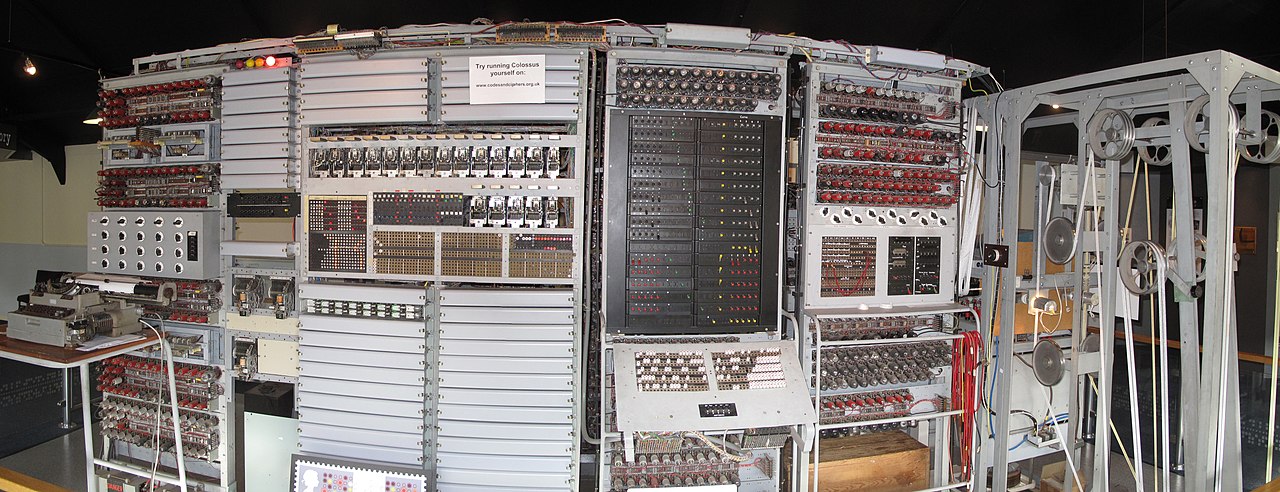
Colossus was a family of electronic machines developed in wartime Britain to help decrypt teleprinter traffic encoded by the Lorenz cipher. Original Colossus machines were dismantled after the war and much documentation was secret. Sale organised research, interviewed veterans, examined surviving fragments and gathered a volunteer team to rebuild a working replica. The reconstructed machine was completed in 2007 and demonstrated how vacuum-tube logic, paper tape input and high-speed electronic counting were combined to perform statistical cryptanalysis.
Characteristics and reconstruction work
- Hardware emphasis: vacuum tubes (valves), plugboards and paper-tape mechanisms.
- Recreation from fragmentary evidence: wiring diagrams, photographs and personal recollections.
- Public demonstration: the replica showed operational techniques and the practical constraints of wartime engineering.
Sale's work connected modern engineers and historians with the technical achievements of Bletchley Park, helping to explain how early electronic computers differed from later stored-program machines in design and purpose. He also advocated for conserving other historic machines and documentation.
Legacy and significance
Through his reconstruction project and museum activities, Sale made an influential contribution to public understanding of computing origins. The replica remains a key exhibit at The National Museum of Computing at Bletchley Park, where visitors can see and learn about wartime computation and codebreaking efforts. His efforts illustrate the combination of engineering skill, archival research and volunteer organisation needed to revive lost technologies.
For more about his work and institutions associated with it, see resources on his engineering background and projects: professional background, the Colossus reconstruction project details, The National Museum of Computing museum information, Bletchley Park context Bletchley Park, and the wider British engineering heritage England heritage.
Related articles
Author
AlegsaOnline.com Tony Sale — Computer Engineer and Historian of Computing Leandro Alegsa
URL: https://en.alegsaonline.com/art/100596
Sources
- news.bbc.co.uk : "The past is the future at Bletchley Park"
- youtube.com : "LABcast interview: Tony Sale and Colossus rebuilt"