
Bletchley Park: Britain's World War II Codebreaking Centre and Museum
Bletchley Park, an estate in Milton Keynes, England, was the UK’s principal codebreaking centre in WWII. Today it houses museums and preserves the history and impact of Allied signals intelligence.
Bletchley Park is a country estate near Milton Keynes in Buckinghamshire, England, and was the principal site where the United Kingdom assembled its codebreaking effort during World War II. Housed in Victorian villas and outbuildings on the property, teams of linguists, mathematicians, engineers and clerical staff worked in secrecy to intercept and decrypt enemy communications. Today the park operates as a heritage site and is home to a visitor centre and specialised collections including The National Museum of Computing.
Image gallery
10 Images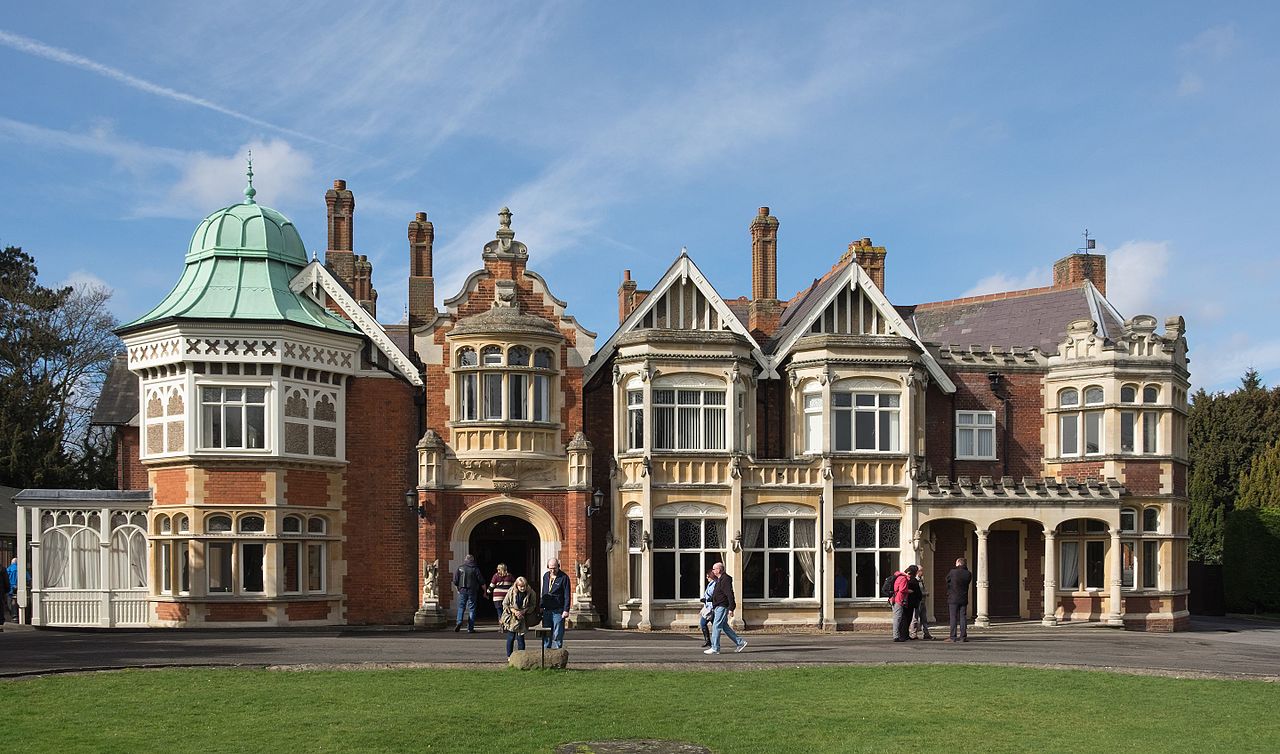



Organization and facilities
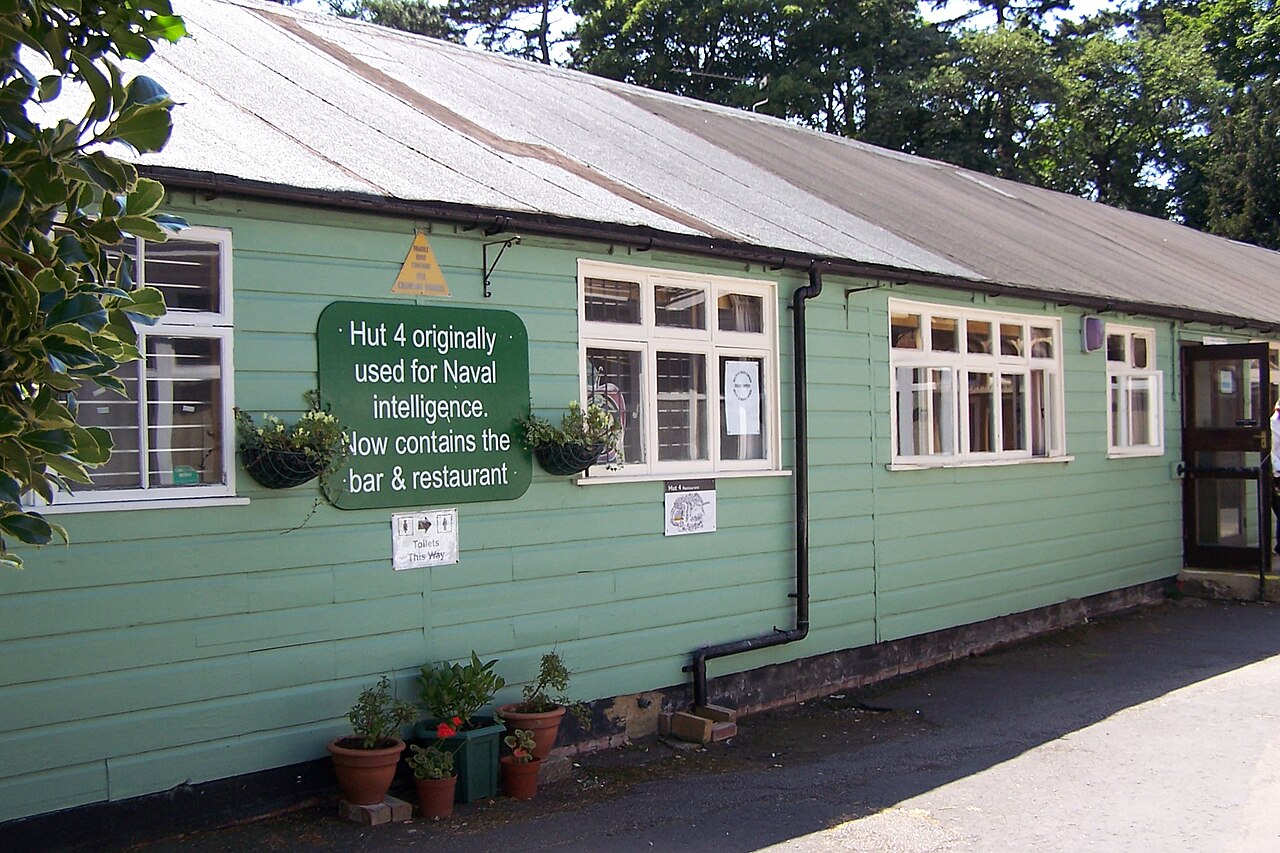
The complex hosted the Government Code and Cypher School (GC&CS), the secret radio interception station known as Station X, and dozens of huts dedicated to different tasks. Each hut performed a particular function — interception, traffic analysis, cryptanalysis, or machine maintenance. The work combined human pattern recognition with custom electromechanical and electronic devices to speed decryption.
Origins and key contributors
The British effort built on earlier breakthroughs: in 1939 Polish cryptanalysts demonstrated their cryptanalysis of the Enigma machine and provided examples that helped jumpstart the British program. At Bletchley, figures such as Alan Turing and Dilly Knox were joined by many others — mathematicians, linguists and engineers — to develop techniques and machines that automated parts of the process. That collaboration bridged hard-won academic theory and practical wartime needs.
Methods, machines and operations
Work at Bletchley combined traffic analysis, cribbing (using guessed plaintext fragments), and machine-aided search for key settings. Electromechanical "bombe" devices and later electronic computers reduced the time required to find daily keys. Intercepted signals from across theatres of war were processed; intelligence derived from decrypted traffic was collated, analyzed and disseminated to decision makers under strict secrecy.
- Huts and blocks: individual units focused on naval, military or diplomatic traffic.
- Machines: bombes and early electronic computers that accelerated cryptanalysis.
- Intelligence flow: decrypted material was evaluated and passed to commanders and government leaders.
Impact and legacy
The high-level intelligence produced at Bletchley was codenamed Ultra and contributed to Allied successes across multiple campaigns. It proved especially critical during the Battle of the Atlantic, where decrypted German naval signals helped to mitigate the threat posed by U-boats and other submarine operations. Contemporaries and later historians have argued that access to this intelligence shortened the war and reduced Allied losses. Leaders such as Winston Churchill recognized the strategic value of timely signals intelligence.
Secrecy remained in force for decades after the war; many participants did not speak publicly about their work until information was declassified. In recent decades Bletchley Park has become a center for public education about cryptology, computing history and wartime intelligence. The estate now interprets the social history of the workforce — including women and foreign-born staff — and preserves surviving machines and records to illustrate how breakthroughs in mathematics, engineering and organization shaped modern computing and intelligence practices.
Visitors can explore exhibitions about the codebreaking story, the role of different huts and the machines that were developed. For more context and archival material see resources and institutions that document the site and its history: estate overview, community and local history at Milton Keynes, regional context in Buckinghamshire, national heritage information for England, and wartime records relating to the United Kingdom effort. Additional specialized references include wartime timelines, technical studies and collections maintained by institutions such as The National Museum of Computing and archives that discuss the roles of GC&CS, Station X and the broader Allied intelligence network. Historical origins trace back to contacts in Warsaw and work on the Enigma that influenced developments by Alan Turing and others.
Today Bletchley Park stands as both a memorial to the people who served in secrecy and an educational site demonstrating how wartime needs accelerated developments that led to modern computer science.
Questions and answers
Q: What is Bletchley Park?
A: Bletchley Park is an estate in Milton Keynes, Buckinghamshire, England. It was the site of the United Kingdom's main codebreaking team during World War II and now houses the National Codes Centre and The National Museum of Computing.
Q: What was at Bletchley Park during WWII?
A: During WWII, Bletchley Park housed the Government Code and Cypher School (GC&CS) and Station X, a secret radio interception station.
Q: How did British intelligence get their start with Enigma machines?
A: In 1939, Polish military showed French and British intelligence agents their cryptanalysis of the Enigma machine. They promised each delegation a Polish-built Enigma machine which gave them a much-needed start for their work at Bletchley Park.
Q: Who were some of the people that worked at Bletchley Park?
A: Dilly Knox and Alan Turing were two of the main codebreakers who worked at Bletchley Park along with many other codebreakers and engineering staff.
Q: What was Ultra?
A: Ultra was high-level intelligence produced by workers at Bletchley Park which gave crucial help to Allied war efforts during World War II.
Q: How important was Ultra to Allied success in WWII?
A: Winston Churchill said that The Battle of Atlantic depended ultimately on its outcome while Sir Harry Hinsley said that Ultra shortened the war by two to four years so it can be seen as very important to Allied success in WWII.
Related articles
Author
AlegsaOnline.com Bletchley Park: Britain's World War II Codebreaking Centre and Museum Leandro Alegsa
URL: https://en.alegsaonline.com/art/12170
Sources
- cl.cam.ac.uk : The influence of ULTRA in the Second World War