
Closet: Small Room for Clothes and Household Storage
A closet is an enclosed storage space—typically a small room or recessed compartment—used primarily for clothing but also for boxes, linens, and equipment. This article explains types, history, uses and distinctions.
Overview
A closet is an enclosed space in a home or building designed primarily for storing clothing and related items. It may be a walk-in room, a reach-in compartment, or a built-in recess behind doors. Unlike freestanding furniture such as a wardrobe, a closet is usually integrated into the structure of a residence and can vary widely in size and layout. Closets commonly appear in bedrooms, hallways, and entryways.
Image gallery
4 Images


Characteristics and components
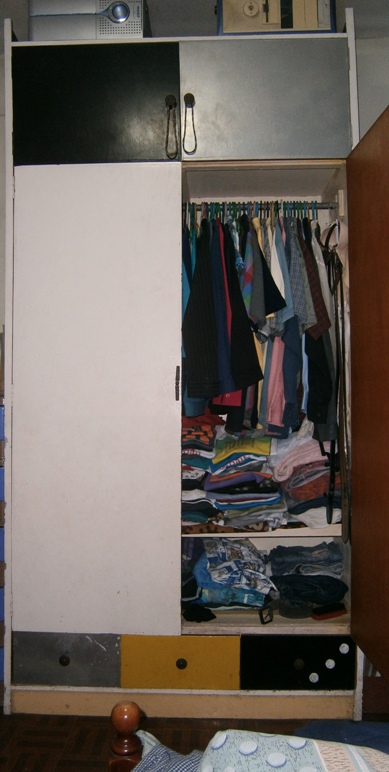
Typical features include shelves, hanging rods, drawers, and lighting. Smaller closets often have a single door and limited depth, while larger walk-in closets can include multiple sections, mirrors, and seating. Many closets also contain organizational accessories such as shoe racks, hooks, and storage bins to make efficient use of space.
History and development
The concept of a dedicated enclosed space for clothing dates back to early dwellings where people used chests or alcoves. As houses evolved, builders incorporated fixed storage areas into floor plans. The modern closet became common in Western architecture from the 18th to 20th centuries as homes were designed with specialized rooms and built-in storage. Regional building practices and cultural preferences continue to shape closet design.
Uses and practical examples
Closets are most often used for garments, shoes, and accessories, but they are also adapted for linens, cleaning supplies, and household equipment. In small homes, a closet may serve multiple functions: a pantry-like space for food or a coat closet near the entrance. Many people repurpose closets as compact offices, craft rooms, or media storage when a larger room is unavailable.
Variations and distinctions
- Walk-in closet: large enough to enter and move around in.
- Reach-in closet: shallow depth with access from a single opening.
- Linen or utility closet: narrower and used for sheets, towels, or cleaning tools.
Closets are not the same as standalone wardrobes: a wardrobe is moveable furniture, whereas a closet is usually fixed within a building. They can be compared by size to other house spaces — smaller than a garage or a basement but larger than a single cabinet — though specific dimensions vary widely by design.
Notable facts and maintenance
Good closet design balances accessibility and protection: separating seasonal items, using clear containers, and ensuring ventilation helps prevent mold and odor. Lighting and adjustable shelving increase usability. For more design ideas and planning guidelines, see additional resources.
Author
AlegsaOnline.com Closet: Small Room for Clothes and Household Storage Leandro Alegsa
URL: https://en.alegsaonline.com/art/21087