
Birdbox (nest box): design, use, and ecological considerations
Human-made cavity boxes that provide nesting sites for wild and captive birds. Covers design, placement, materials, species adaptations, maintenance, and effects on other wildlife.
A birdbox, often called a nest box, is a human-made enclosure designed to replicate the natural cavities many bird species use for nesting. Birdboxes are usually constructed from wood but can be made from hollowed logs, gourds, or manufactured materials. They provide shelter from weather and predators and are used both by hobbyists who enjoy attracting birds and by researchers and conservationists monitoring populations.
Image gallery
10 Images


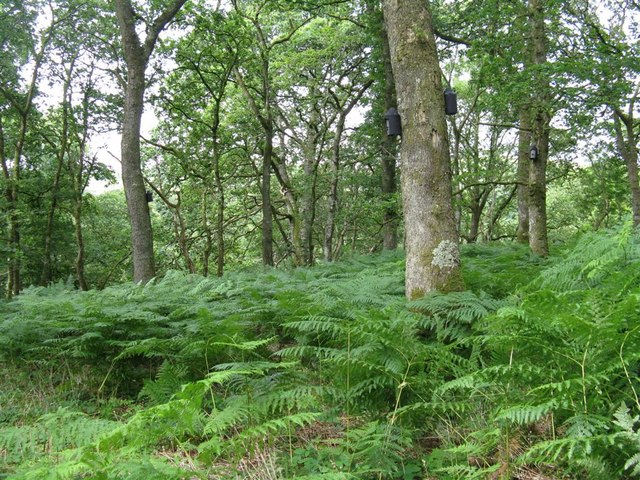

Common features and materials
Most birdboxes follow a straightforward plan: a box with an entrance hole, an internal chamber for a nest and young, a sloped roof to shed rain, and a removable panel or hinged roof for cleaning and inspection. Features vary to meet the needs of different species. Typical characteristics include:
- Entrance size: Small holes favor tits, sparrows and bluebirds; larger openings or open-front designs suit robins and some swallows. Very large boxes are used for owls and certain parrots; see examples for owls and parrots.
- Material and insulation: Untreated timber is common because it breathes and offers insulation. Alternative substrates include logs, specialized plastic, or gourds.
- Perches and predator guards: A perch is decorative but not always recommended; predator guards and baffles around mounting points reduce access by mammals.
- Size and ventilation: Interior floor area and depth are matched to species; small ventilating gaps under the roof prevent overheating.
Placement, maintenance and monitoring
Where and how a box is mounted affects its success. Height above ground, orientation away from prevailing winds, and proximity to food and cover all matter. Boxes are commonly attached to trees, poles, or buildings. Regular maintenance—annual cleaning after the breeding season, checking for damage, and repairing predator access points—helps bird health and long-term use. Researchers and birdwatchers use nest boxes to collect data on timing of breeding, clutch size and fledging success.
Domesticated and captive-breeding contexts also employ nest boxes to encourage pairing and rearing in species that accept cavities. However, owners should match box dimensions and placement to the species’ known preferences and follow local guidance on captive breeding practices.
Ecological interactions and non-target occupants
Although designed for birds, nest boxes attract many other species. Bees may establish hives inside unused boxes and sometimes build combs; see more about bees and beehives. Small mammals such as squirrels may occupy boxes or remove nest material. Invasive or opportunistic species can outcompete intended occupants, so careful monitoring is important.
Birdboxes play a role in conservation by providing scarce nesting sites where natural cavities are limited, and they support citizen science projects that track bird populations. They are also cultural objects: some are simple and functional, others are crafted and decorative. For general guidance on whether to install a box at your site and how to design it for particular species, consult local wildlife resources and experienced bird conservation groups or follow guidelines linked here for a basic bird home, attracting birds, and creating and maintaining safe nesting nests.
Notable distinctions include the difference between a birdbox and a feeder (boxes offer nesting sites and shelter; feeders supply food) and the variety of specialized designs developed for species-specific needs. When used responsibly, nest boxes are a practical tool for supporting bird life, studying avian ecology, and engaging people with nature.
Questions and answers
Q: What is a birdbox?
A: A birdbox is a human-made wooden box used as a house for birds.
Q: Why are birdboxes suitable as bird homes?
A: Birdboxes are suitable as bird homes because they are similar to natural bird homes like hollow trees, and birds often make nests inside them.
Q: Where are birdboxes often placed?
A: Birdboxes are often placed on trees.
Q: Who makes birdboxes?
A: Birdboxes are often made by people who are fond of birds, but they are also useful for studying birds.
Q: What are birdboxes often used for in regards to domesticated birds?
A: For domesticated birds, birdboxes are often used for breeding.
Q: What is the most common design for a birdbox?
A: The most common design for a birdbox is made up of six planks ordered in a cube, with a hole in a wall where birds can go in and out.
Q: What are some common additions to birdboxes?
A: Common additions to birdboxes include a small stick outside the hole on which birds can sit on, and a sloping roof to make rainwater run off.
Tags
Related articles
Author
AlegsaOnline.com Birdbox (nest box): design, use, and ecological considerations Leandro Alegsa
URL: https://en.alegsaonline.com/art/11711