
Tomason (Thomasson): Useless Architectural Features Recognized as Found Art
Tomason (トマソン) names useless, preserved parts of buildings or streets that have lost function but gained aesthetic or conceptual interest—an accidental form of found art identified in urban environments.
Tomason (Japanese: トマソン), sometimes spelled Thomasson or Thomason in English, describes architectural or infrastructural elements that have become functionless yet remain maintained as part of the built environment. They are not designed as artworks; rather, observers treat them as objects of curiosity or aesthetic value. Typical tomason draw attention because they appear purposeless but are kept intact by owners, city workers, or inertia.
Image gallery
7 Images

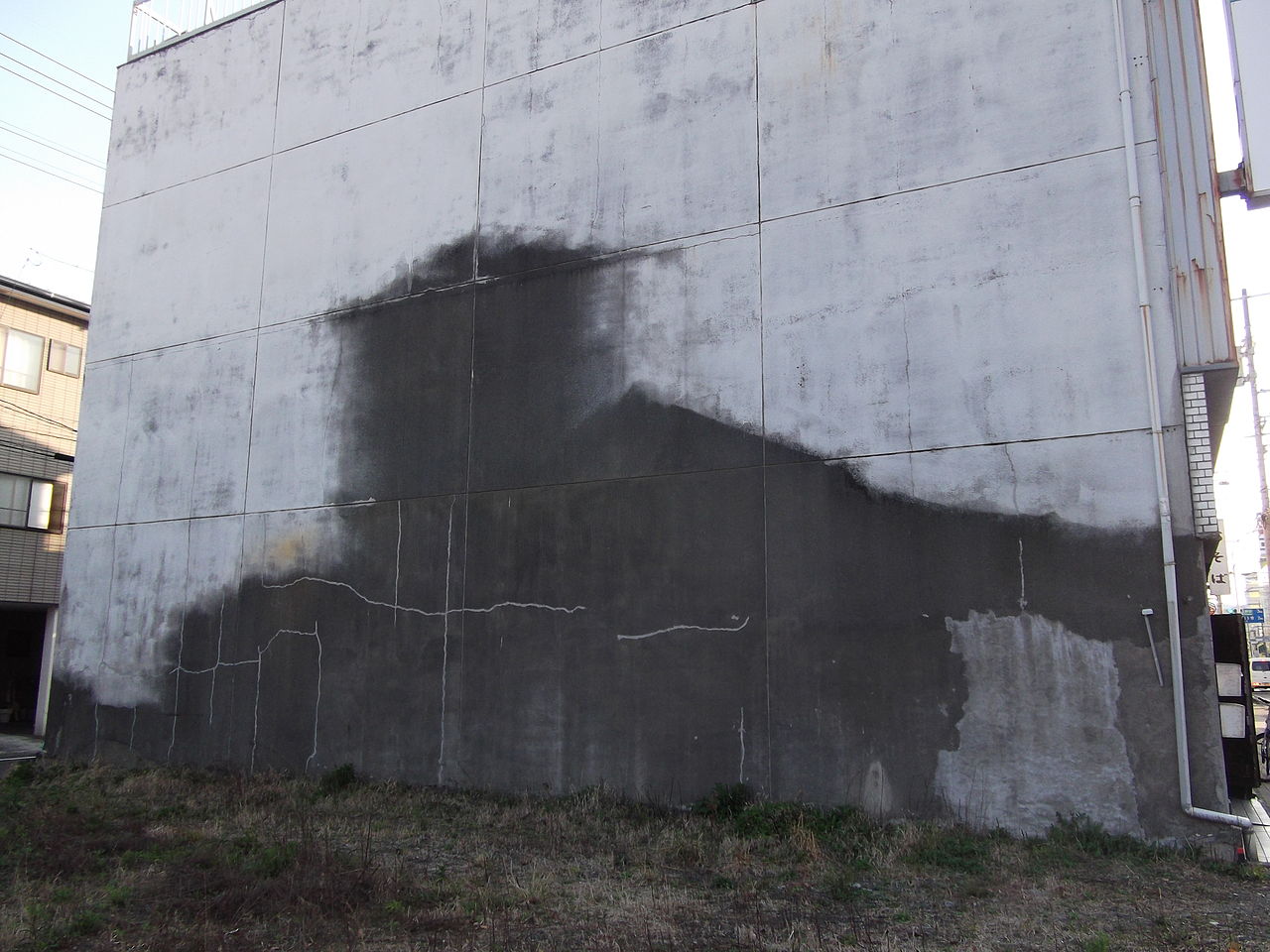


Characteristics and common examples
Tomason are identified by their lack of current utility coupled with an evident continued existence. Common forms include:
- Staircases that lead to a blank wall or are cut off mid-flight.
- Sealed doors or windows that open onto a façade or have been bricked over.
- Orphaned sidewalks, road markings, or traffic signs that no longer correspond to circulation.
- Railings, pillars, or architectural trim that serve no structural or safety purpose.
- Seats, ramps, or elevators that remain despite access changes.
These features often provoke a blend of humor, melancholy and aesthetic interest because they reveal traces of past plans, shifting functions, or bureaucratic care.
Origin and concept
The term was popularized by Japanese artist Gempei Akasegawa in the late 20th century to call attention to these urban anomalies. He documented numerous examples with photographs and short descriptions, framing them as a kind of accidental or incidental art related to the ideas behind conceptual art and found art. The name itself playfully alludes to a figure associated with a conspicuous lack of usefulness, and it stuck as a way to categorize these architectural curiosities.
Significance and uses
Tomason interest crosses several areas: urban studies, photography, architecture, and popular culture. Photographers and urban explorers collect images of tomason to trace layers of change in a city. Architects and planners may study them as evidence of evolving building codes, redevelopment, or incremental adaptation. In art and theory, tomason invite reflection on what gives an object value—function, form, or the act of recognition—linking them to broader debates about the readymade and accidental beauty.
Distinctions and notable points
Unlike deliberate public art or curated installations, tomason are a by-product of change rather than an artist’s intent. They differ from ruins in that they are maintained or left in place rather than collapsing, and they differ from derelict decay because the original feature remains identifiable. Awareness of tomason often encourages documentation, playful mapping, and informal preservation as markers of urban history.
For those wanting to explore further, photographic collections and essays collect examples and discuss their social and aesthetic implications; the concept continues to influence how people read and reinterpret everyday cityscapes. See discussions of accidental or found works linked to conceptual art for broader context.
Related articles
Author
AlegsaOnline.com Tomason (Thomasson): Useless Architectural Features Recognized as Found Art Leandro Alegsa
URL: https://en.alegsaonline.com/art/100424
Sources
- greg.org : "On Tomason, Or The Flipside Of Dame Architecture,"
- books.google.com : Japanese Art After 1945: Scream Against the Sky, p. 222.
- neojaponisme.com : "Roadside Observation,"
- books.google.com : The Spaces of the Modern City: Imaginaries, Politics, and Everyday Life, p. 397 n25