
Topiary: the traditional and modern art of shaping living plants
Topiary is the horticultural craft of training and trimming trees and shrubs into decorative or representational shapes. This article covers plants, methods, history, uses and notable examples.
Overview
Topiary is the practice of pruning and training woody plants to create clearly defined shapes, from simple geometric forms to elaborate figures and animals. Practitioners produce living sculptures by directing growth and removing unwanted material so the plant itself becomes the work of art. The tradition combines horticulture, design and patient maintenance.
Image gallery
10 Images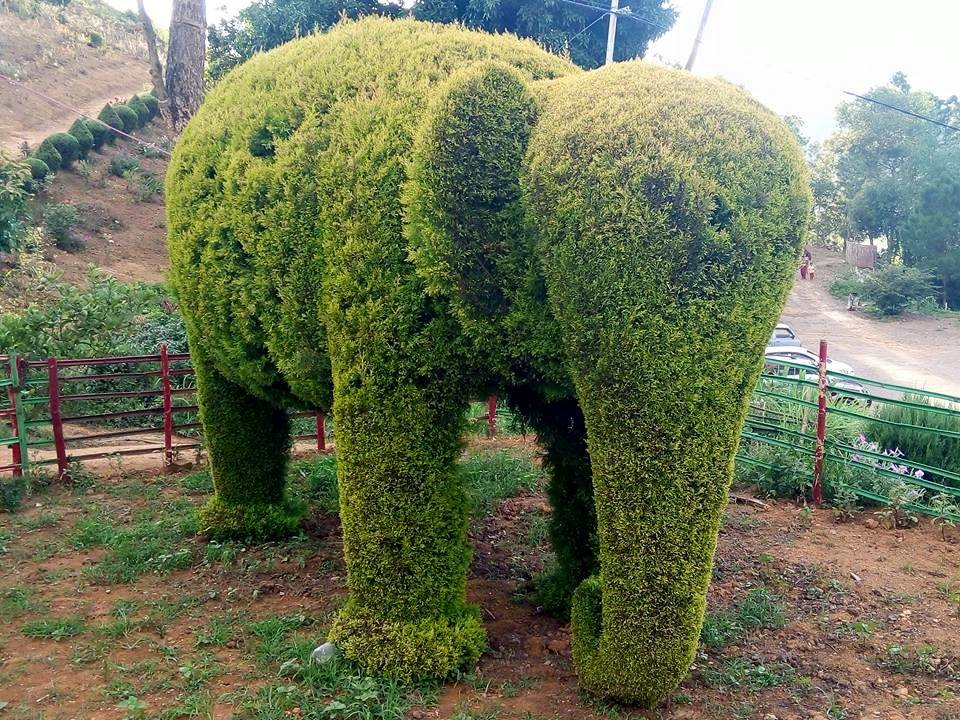





Plants and characteristics
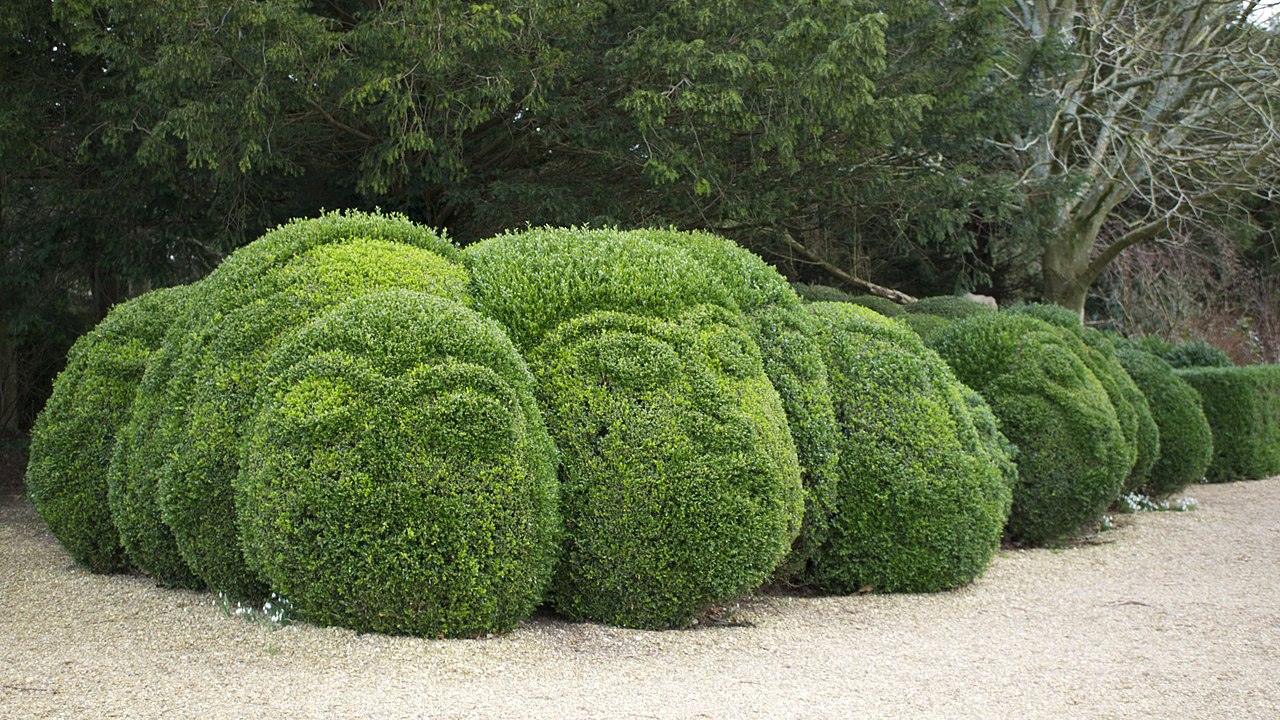
Successful topiary relies on species with dense foliage, small leaves and branches that respond well to repeated cutting. Common choices include boxwood, yew, privet, bay laurel, myrtle and holly. These plants tolerate frequent clipping and form a compact surface that holds shape.
- Typical shrubs: boxwood, privet, myrtle, bay laurel (bay laurel), holly (holly)
- Evergreen habit and fine branching help retain crisp edges
Techniques and tools
Traditional topiary depends on hand tools such as secateurs and topiary shears and on the grower’s eye and patience. Modern practitioners also use electric trimmers and lightweight wire frames to speed up production or support complex designs. Common techniques include regular clipping, gradual training of branches, selective pruning to create internal structure, and the use of frames or guides for consistent repetition.
History and development
The craft has roots in ancient garden traditions and developed through formal European gardens where clipped shapes expressed order and control over nature. It became highly stylized in Renaissance and later formal estates, and also appears in other cultures under different forms of trained pruning. In recent decades topiary has moved beyond grand gardens into civic plantings and contemporary landscape art.
Uses, examples and notable facts
Topiary serves both practical and decorative roles: it defines formal garden structure, frames pathways, creates focal points, and provides whimsy when shaped into animals, letters or abstract forms. Notable living examples and record-holding specimens—carefully maintained over many years—attract visitors and demonstrate the longevity possible when plants are managed correctly. One widely reported record-holding specimen known as the Samban-Lei Sekpil is celebrated as an exceptionally tall topiary.
Distinctions and considerations
Topiary differs from related practices such as hedging (continuous boundary planting), espalier (training flat against a surface) and bonsai (miniaturization of trees). It requires ongoing maintenance; improper pruning can harm plant health. For more practical guidance and visual references, see further resources and example galleries.
Further reading: visual guide, plant selection notes: bay laurel care, pruning tips: holly and other evergreens.
Questions and answers
Q: What is topiary?
A: Topiary is the art of sculpting trees and bushes by clipping them.
Q: What type of shrubs are commonly used in topiary?
A: Shrubs used in topiary are evergreen, have small leaves, and produce dense foliage. Common plants used include bay laurel, holly bushes, myrtle, and privet hedges.
Q: Are wire cages used in traditional topiary?
A: No, wire cages are sometimes used in modern topiary but not in traditional topiary.
Q: What do traditional topiary artists use to sculpt their plants?
A: Traditional topiary artists use special scissors with patience and a steady hand to sculpt their plants.
Q: What is the Samban-Lei Sekpil?
A: The Samban-Lei Sekpil is the tallest topiary plant in the world.
Q: What type of plants are not used in topiary?
A: Plants that are not evergreen or do not produce dense foliage are typically not used in topiary.
Q: What are some examples of shrubs that are not commonly used in topiary?
A: Examples of shrubs that are not commonly used in topiary are deciduous shrubs or shrubs with large leaves, such as maple or oak trees.
Related articles
Author
AlegsaOnline.com Topiary: the traditional and modern art of shaping living plants Leandro Alegsa
URL: https://en.alegsaonline.com/art/100649