
Tomáš Garrigue Masaryk: Founder and First President of Czechoslovakia
Czech statesman, philosopher and academic who led the Czechoslovak independence movement and served as the republic's first president (1918–1935), shaping its democratic institutions and national identity.
Overview
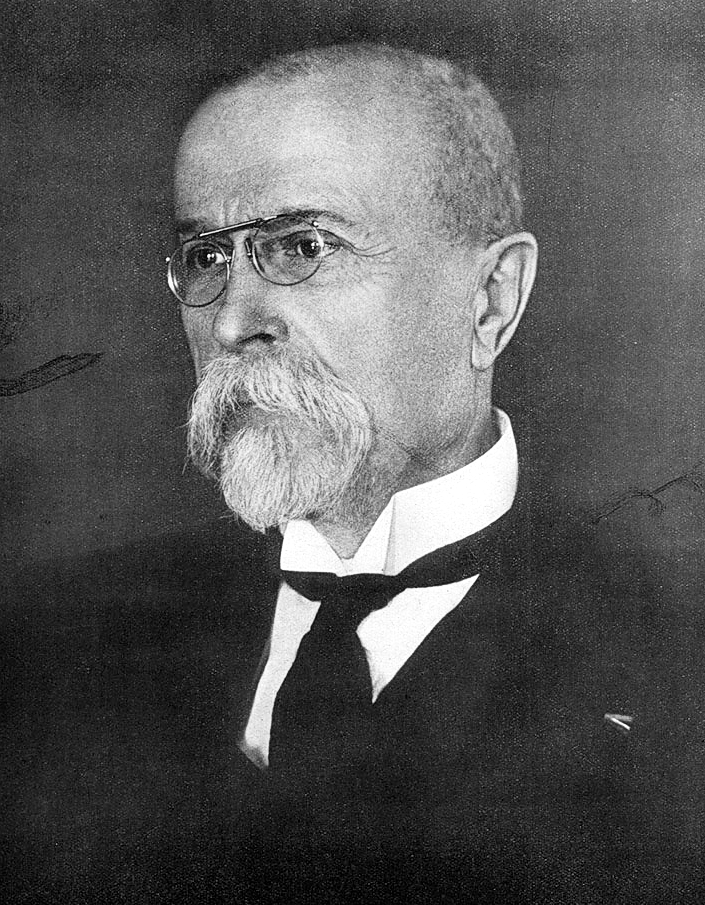
Tomáš Garrigue Masaryk (7 March 1850 – 14 September 1937) was a leading intellectual and statesman who played a central role in the creation of Czechoslovakia and served as its first president from 1918 to 1935. Trained as a scholar and active as a public intellectual, he combined academic work with political leadership, advocating democratic government, civil liberties and cultural pluralism in a newly formed Central European state. His reputation rests both on his moral authority and on practical state-building.
Image gallery
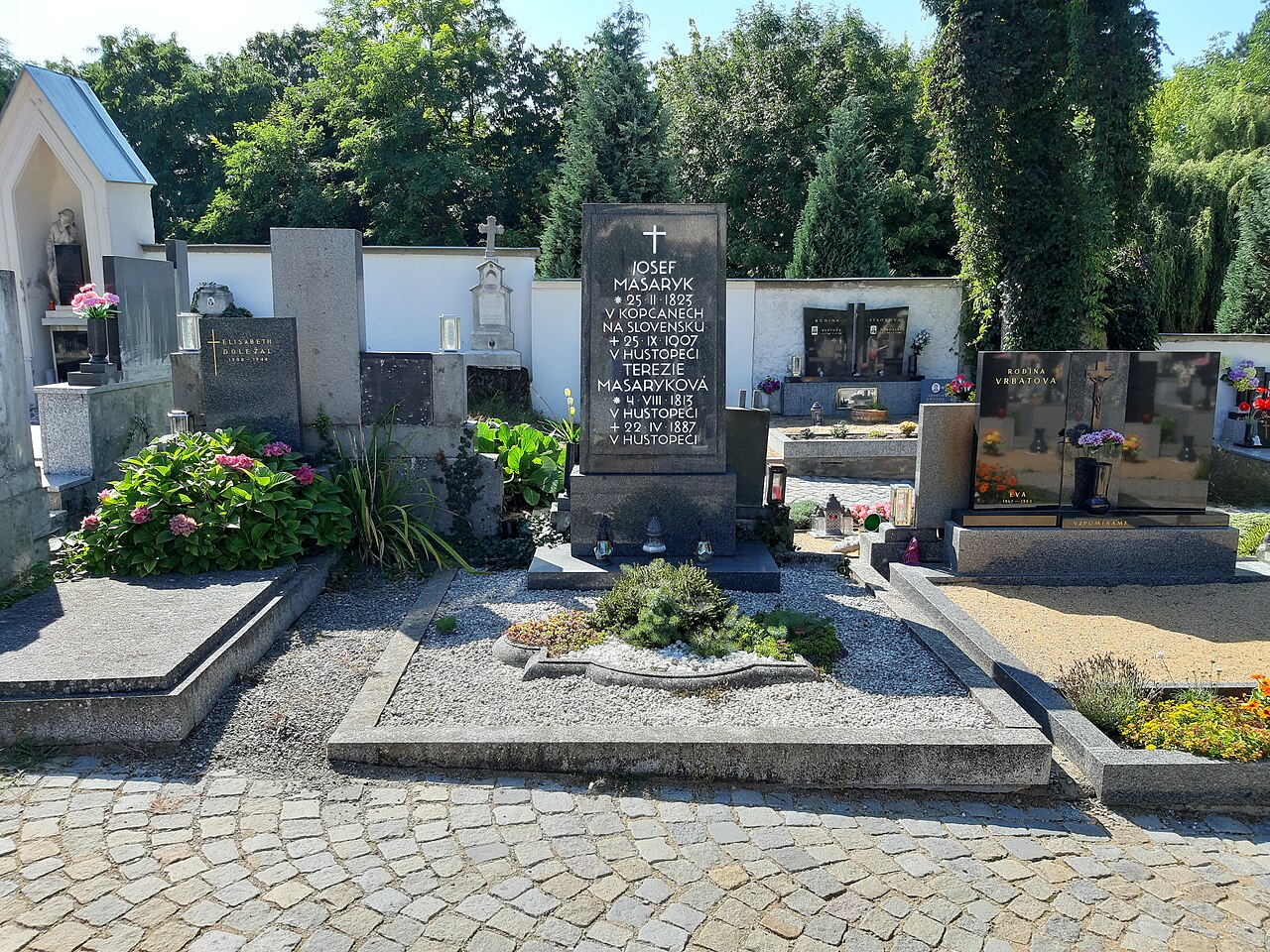
10 Images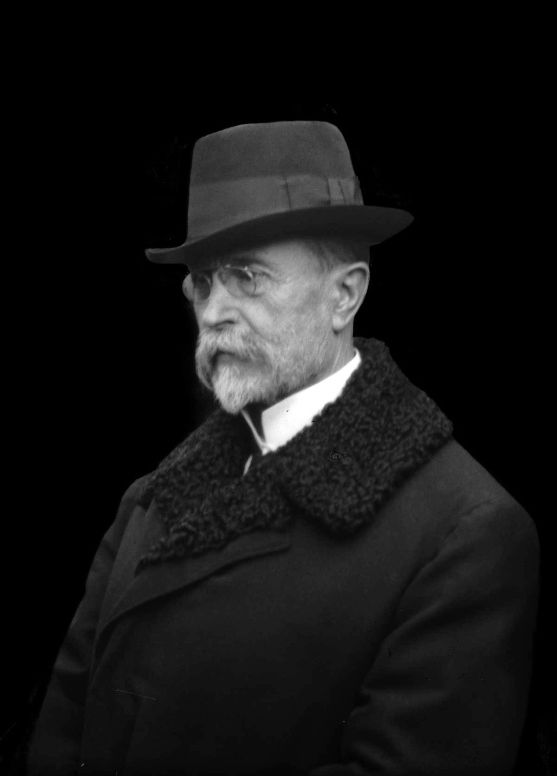




Early life and education
Born in the lands of the Habsburg monarchy, Masaryk pursued higher education in several Central European universities. He studied in Brno (Brno), in the imperial capital Vienna (Vienna) and at Leipzig (Leipzig), where he was exposed to modern philosophical and sociological currents. He taught at universities, including posts in Prague (Prague) and briefly in Vienna, and became known for essays and lectures that addressed national questions, ethics and the social responsibilities of intellectuals.
Intellectual profile and languages
Masaryk combined roles as a scholar, teacher and journalist; he is often described as a politician, philosopher and public communicator. He spoke and read multiple languages, which aided his international work: he knew Latin and could work in French (French), Polish (Polish), German (German) and English (English) among others. His marriage to Charlotte Garrigue contributed the anglophone middle name he used publicly.
Political career and legacy
During World War I Masaryk became a leading voice for Czech and Slovak independence, spending years abroad to build diplomatic and popular support for a separate state. After independence he assumed the presidency and helped establish a parliamentary system, educational reforms and civic institutions meant to balance ethnic diversity and democratic norms. His moral stature earned nicknames such as the "President liberator" and a paternal public image.
Notable facts and succession
- He combined academic scholarship with active politics, shaping both ideas and institutions.
- Masaryk's tenure as president lasted until 1935, after which Edvard Beneš succeeded him.
- He is widely remembered for promoting democratic values and cultural tolerance in interwar Central Europe.
Masaryk's influence is studied in histories of modern Europe, political theory and Czech and Slovak national development. His life illustrates the intersection of intellectual work and statecraft at a transformational moment in European history.
Related articles
Author
AlegsaOnline.com Tomáš Garrigue Masaryk: Founder and First President of Czechoslovakia Leandro Alegsa
URL: https://en.alegsaonline.com/art/100418