
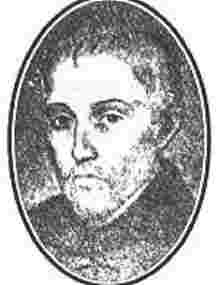
Tomás Luis de Victoria
Spanish Renaissance composer (c.1548–1611) celebrated for intense, devout sacred polyphony. A leading Counter-Reformation figure whose motets, Lamentations and Officium Defunctorum remain central to choral repertoire.
Overview
Tomás Luis de Victoria (c.1548 – 27 August 1611) was a Spanish composer of the late Renaissance whose sacred music is regarded among the high points of Catholic liturgical composition. He is commonly mentioned alongside Giovanni Pierluigi da Palestrina and Orlando di Lasso as one of the foremost composers associated with the musical response to the Counter-Reformation. Victoria combined devout spirituality with disciplined contrapuntal technique to produce music that is both introspective and emotionally direct.
Image gallery
2 Images
Life and career
Born in Ávila, Spain, Victoria trained as a singer and musician and spent important years working in Rome, where many Spanish clerics and musicians were active. He was ordained a Catholic priest and throughout his life balanced duties as a churchman with composition. After his Roman period he returned to Spain and continued to compose for liturgical use. Although he was also an accomplished singer and organist, his lasting reputation rests on his output of sacred vocal music rather than on instrumental or secular works.
Musical style
Victoria's style reflects the ideals of clarity and textual intelligibility promoted by Church reform while retaining expressive richness. His music makes frequent use of modal harmonies, carefully controlled dissonance (notably suspensions), and a flexible alternation between polyphonic and homophonic textures to underline the meaning of the text. Compared with some contemporaries, Victoria often favors a concentrated, sombre sonority: leaner textures, poignant harmonic inflections and close attention to the words' devotional import.
Genres and major works
Victoria wrote almost exclusively for the church. His output includes masses, motets, settings of the Lamentations and Tenebrae responsories, hymn settings and other devotional pieces. The Officium Defunctorum (a Requiem with related funeral motets) is among his most celebrated works and is notable for its restraint and expressive depth. Other frequently performed pieces include motets such as O magnum mysterium and settings of Marian texts and Passion responsories.
Performance, manuscripts and publications
Much of Victoria's music survives in printed editions and manuscripts that circulated in both Italy and Spain. His works were intended for use in liturgy but are commonly performed in concert as well. Modern editors and choirs emphasize careful tuning, balance and attention to Latin pronunciation and phrasing to convey the intimate, devotional character of the music.
Legacy
Victoria's music remains central to choral and liturgical repertory. Choirs worldwide continue to sing his motets, Masses and the Officium Defunctorum in services and concerts. Music historians value him as a composer who reconciled demands for textual clarity with the expressive possibilities of late Renaissance polyphony; his influence can be traced in the continuity of sacred composition into the early Baroque. Recordings, editions and frequent performances have sustained his reputation as one of the finest composers of sacred music from the Renaissance.
Selected works
- Officium Defunctorum (Requiem and funeral motets)
- Various Mass settings (Missa for the Ordinary)
- Motets (e.g., O magnum mysterium, Marian motets)
- Lamentations and Tenebrae responsories
- Hymns and devotional settings for the liturgical year
Related articles
Author
AlegsaOnline.com Tomás Luis de Victoria Leandro Alegsa
URL: https://en.alegsaonline.com/art/100420