
Tomas Tranströmer: Swedish Poet, Psychologist, and Nobel Laureate
Concise encyclopedia entry on Tomas Tranströmer (1931–2015): life, poetic style, career in psychology and translation, major awards including the 2011 Nobel Prize, and his literary legacy.
Overview
Tomas Gösta Tranströmer (15 April 1931 – 26 March 2015) was a leading Swedish literary figure known primarily as a poet. Trained in psychology and active for decades as a psychologist, he also worked as a translator of poetry. Born and based in Stockholm, Tranströmer gained international recognition for his spare, image-rich verse and was awarded major honors including the Neustadt International Prize for Literature (1990) and the Nobel Prize in Literature (2011).
Image gallery
5 Images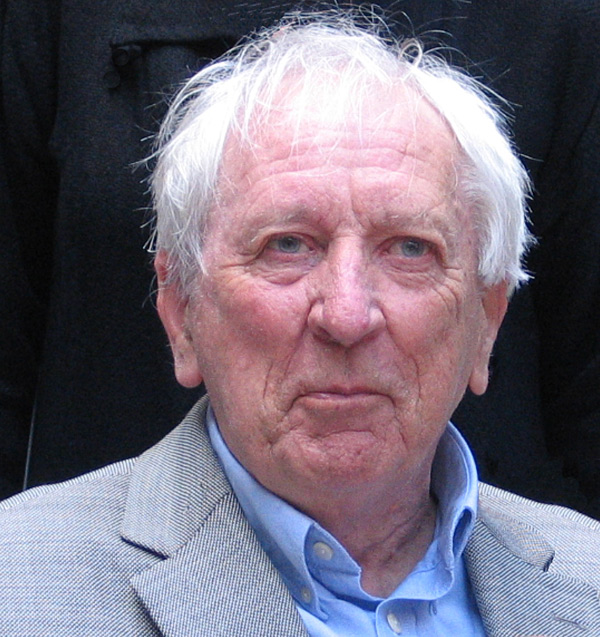


Style and themes
Tranströmer's poems are widely noted for compression and clarity: short lines, careful metaphors and an emphasis on sensory detail create a kind of concentrated narrative. Nature, memory, music and the intersection of inner life with urban or social landscapes recur across his work. Readers often comment on the quiet intensity of his voice and on how a single image or surprising simile can open broader philosophical or emotional vistas.
Life and career
Tranströmer published his first collections in the 1950s and continued to issue books across the second half of the twentieth century and into the twenty-first. His professional training in psychology informed his observational acuity and interest in the human mind. In 1990 he suffered a serious stroke that produced aphasia and limited movement; he lost use of his right hand. Despite these challenges he remained a respected figure in letters and his reputation continued to grow internationally.
Works, awards and translations
Tranströmer's poetry has been translated into many languages and is frequently anthologized. He received significant prizes during his lifetime, which helped broaden his readership beyond Sweden. Critics praise both his early collections for their energetic focus and his later work for a distilled, reflective quality. As a translator he introduced foreign poets to Swedish readers and, conversely, his own poems have been rendered by numerous translators into English and other languages.
Legacy and influence
Tranströmer is regarded as one of the most important Scandinavian poets of the postwar era. His influence is felt among contemporary poets who admire his economy of expression and capacity to make simple scenes resonate with larger meaning. His life bridged professional work in the human sciences and a literary career, offering a model of how sustained attention and precise language can deepen understanding of perception, memory and place.
Notable aspects
- Renowned for concise, image-driven poems that reward careful reading.
- Combined a parallel career in psychology with literary activity.
- Recipient of international honors including the Nobel Prize in Literature.
- Work translated widely, contributing to global appreciation of modern Swedish poetry.
Tranströmer's life and work continue to be studied for their linguistic precision, emotional restraint and the way brief poems can evoke complex human experiences.
Related articles
Author
AlegsaOnline.com Tomas Tranströmer: Swedish Poet, Psychologist, and Nobel Laureate Leandro Alegsa
URL: https://en.alegsaonline.com/art/100422
Sources
- theguardian.com : "Swedish poet Tomas Tranströmer dies aged 83"