
Toilet paper: uses, types, history, and environmental considerations
Overview of toilet paper: what it is, how it’s made and sold, common types and ply, history and recent supply issues, plumbing and environmental concerns, and common alternatives.
Toilet paper is a soft paper product designed primarily for personal hygiene after using the toilet. It is typically produced from cellulose fibers such as virgin pulp or recycled paper, and is manufactured to be absorbent yet to disintegrate when flushed so it does not block plumbing systems. Manufacturers modify texture, softness, strength and appearance to meet user preferences; for more on materials see paper fibers.
Image gallery
10 Images


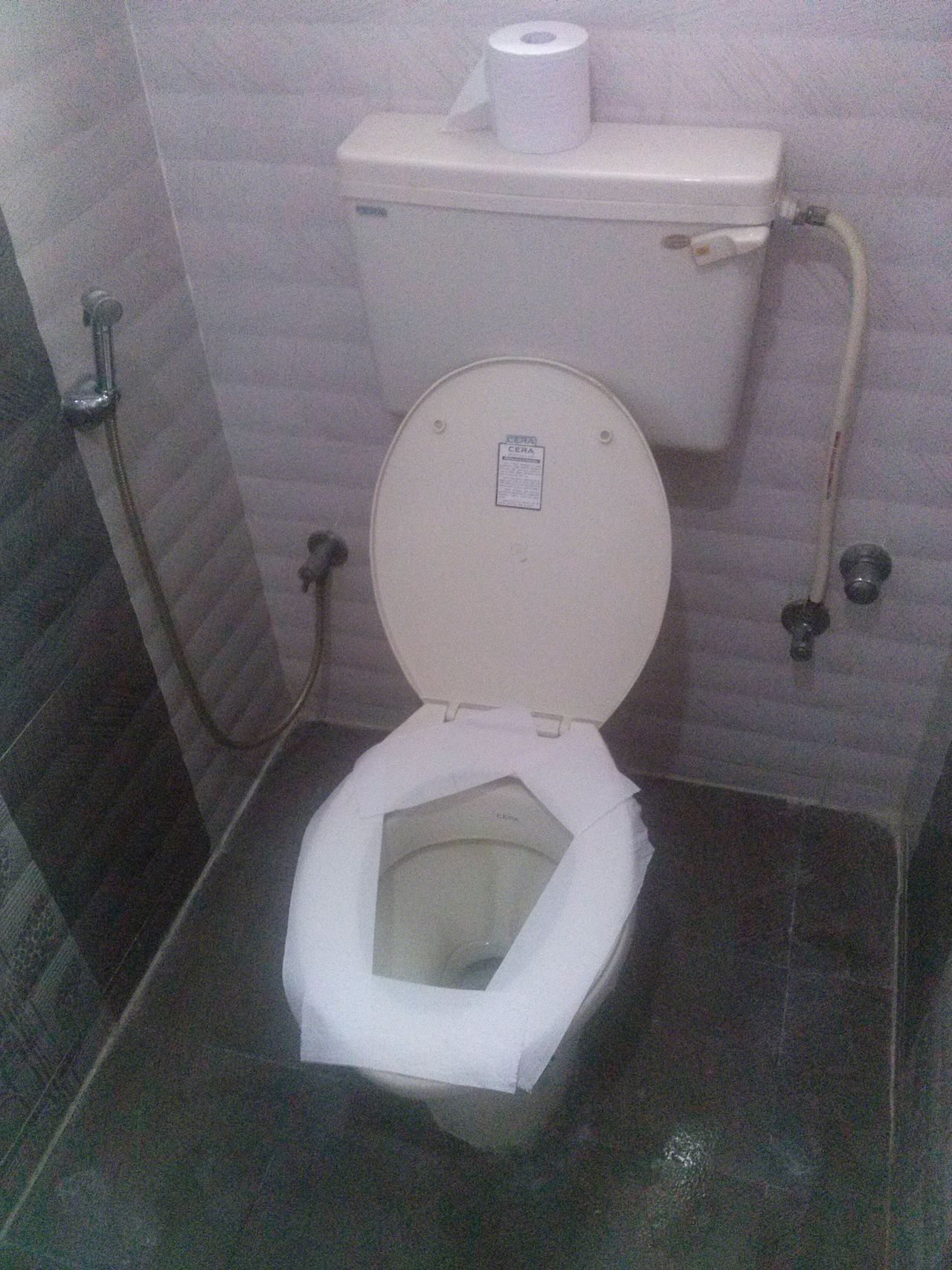

Purpose and common uses
Its main purpose is to clean skin after urination and defecation. In many cultures it is the standard sanitary product for this task; other regions may use water or other means instead. Common hygiene uses include wiping after urination (urine) and wiping after bowel movements (feces), typically following use of a toilet (toilet).
Toilet paper is most often sold in wound rolls packaged into square sheets on a cardboard tube and commonly appears in white rolls in stores. Packaging and marketing emphasize attributes such as softness, strength, absorbency and decorative embossing; see examples of retail formats at packaging types.
Construction, ply and varieties
The term ply indicates the number of layers bonded together: 1-ply is a single layer, while 2-ply, 3-ply or 4-ply products consist of two, three or four layers for added softness and durability. Other product distinctions include:
- Surface finish and texture (smooth, quilted or embossed) — relates to feel and wiping performance; manufacturers describe textures at texture guides.
- Color and scent — although white is most common for sanitary reasons, colored and fragranced variants exist; see basic choices at color and scent options.
- Specialty types — recycled, bamboo, unbleached, septic-safe and ultra-compact rolls for travel or public facilities.
Design balances several needs: sufficient strength while wet, ability to break apart in sewage, and consumer preferences for comfort and appearance.
History, plumbing and environmental issues
Modern commercial toilet paper developed in the 19th and 20th centuries alongside indoor plumbing and paper-making advances. Environmental concerns center on raw fiber sourcing, bleaching chemicals, and landfill volume. Recycled and alternative-fiber products aim to reduce impact, but users should check septic-system compatibility: some thicker or wipe-like products do not disintegrate quickly and can clog sewer lines.
In 2020, worldwide demand spikes and panic buying caused short-term shortages in many regions. That event highlighted supply chain vulnerabilities and consumer behavior under stress. Alternatives to toilet paper include bidets, washcloths or water-based cleansing, though each has cultural and practical considerations.
When choosing toilet paper, consider softness versus biodegradability, septic-system guidance, and sustainable sourcing to balance comfort with environmental responsibility.
Author
AlegsaOnline.com Toilet paper: uses, types, history, and environmental considerations Leandro Alegsa
URL: https://en.alegsaonline.com/art/100272