
Tickling: sensation, response, and social context
An overview of tickling as a tactile sensation: typical responses, common locations, social and developmental roles, history of study, and distinctions between playful and aversive tickling.
Overview
Tickling is a light tactile stimulation—touching, scratching, or rubbing—that often produces involuntary laughter, squirming, or heightened sensitivity. It is observed in humans and some animals, and it can evoke a range of reactions from enjoyment to discomfort. Scientists study tickling as a window into touch perception, social behavior, and the nervous system.
Image gallery
4 Images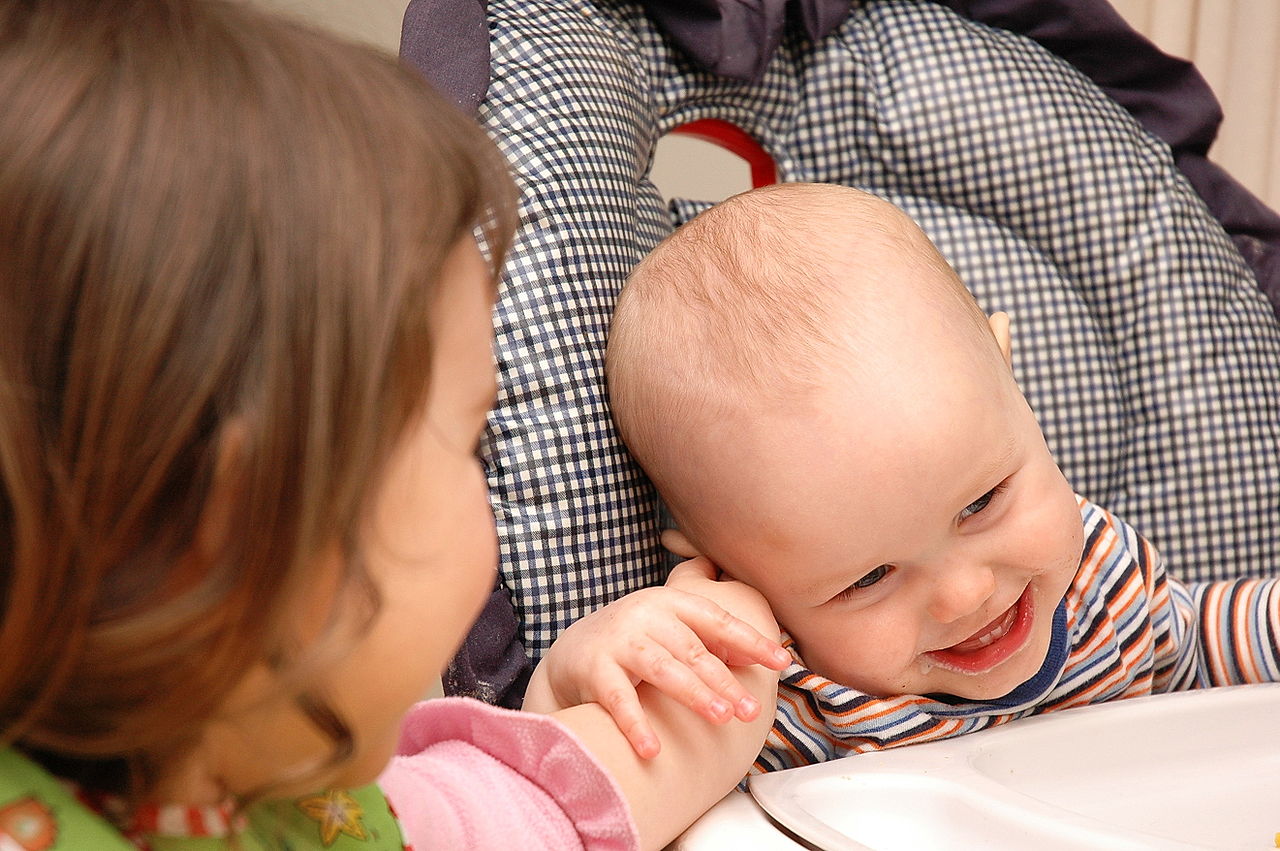



Characteristics and common responses
Certain body areas are typically more sensitive to tickling because of dense nerve endings and skin sensitivity. Common "tickle spots" include:
- feet and soles
- underarms and armpits
- sides of the torso and ribs
- neck and sometimes the stomach
Responses range from laughter and playful squeals to reflexive withdrawal, increased heart rate, or irritation. Some people find tickling pleasurable while others find it unpleasant or even distressing; context, consent, and individual sensitivity matter.
Social, developmental, and psychological roles
Tickling often appears in social and developmental contexts: caregivers play with infants using gentle tickles, and friends or family may use tickling as a playful interaction. It can reinforce bonds, elicit shared laughter, and help infants learn bodily boundaries. However, because it can override voluntary control and produce discomfort, it also raises issues of consent and personal autonomy.
History and scientific study
Curiosity about tickling stretches back to early observers of human behavior. Modern research explores the neural pathways of light touch, the difference between knismesis (light, often itchy sensations) and gargalesis (heavy, laughter-inducing tickling), and why self-tickling is usually ineffective. Experimental work combines behavioral observation with neuroscience to understand the sensory and emotional components.
Practical notes and distinctions
In practical terms, tickling is context-dependent: playful and consensual tickling can promote bonding, while involuntary or persistent tickling can cause stress. Researchers and practitioners emphasize clear communication and respect for boundaries. For further general summaries see human and animal observations, studies on laughter and touch at research summaries, discussions of pleasurable versus aversive reactions at sensory explanations, and resources about consent and play at guidance pages.
Related articles
Author
AlegsaOnline.com Tickling: sensation, response, and social context Leandro Alegsa
URL: https://en.alegsaonline.com/art/99792