
Triskaidekaphobia: the fear of the number 13
An accessible overview of triskaidekaphobia — origins, expressions in architecture and culture, related phobias like fear of Friday the 13th, and psychological and social aspects.
Overview
Triskaidekaphobia is the irrational fear or anxiety associated with the number thirteen. The term is applied both to a personal, often persistent fear and to broader cultural avoidance of the number in buildings, transportation and media. In many Western contexts the number 13 is popularly regarded as unlucky; that belief has influenced design, language and everyday choices.
Image gallery
8 Images



Etymology and definition
The word combines Greek roots: tri- (three), kai (and), deka (ten), and phobia (fear). Clinically it is treated as a specific phobia when the fear is excessive, causes distress, and interferes with normal functioning. The label "triskaidekaphobia" was used in early 20th-century psychological literature and appears in contemporary discussions of superstition and anxiety.
Origins and historical background
Explanations for the stigma attached to 13 are diverse and often speculative. Cultural stories cited include religious and mythic episodes, social customs, and chance associations that accumulated over time. Different regions develop their own unlucky numbers, so the emphasis on 13 is especially prominent in parts of Europe and North America rather than worldwide.
Manifestations and examples
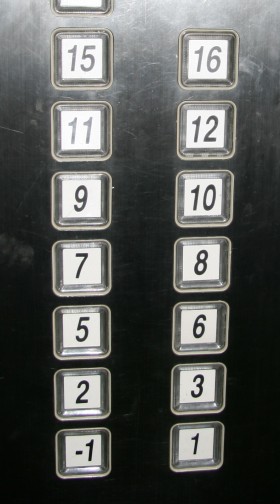
- Architectural avoidance: some apartment blocks, office towers and hotels omit a numbered 13th floor or rename it 12A or 14.
- Transport and seating: airlines, trains or theaters sometimes skip row or seat number 13.
- Daily life: people may avoid scheduling important events, travel or purchases on dates tied to 13.
Related phobias and psychological aspects
A related condition is the fear of Friday the 13th, often called paraskevidekatriaphobia or friggatriskaidekaphobia. In clinical terms, fear of the number becomes a specific phobia when it generates panic, avoidance behavior or significant disruption. Psychologists view such fears as arising from learned associations, cultural reinforcement and individual temperament; treatment can include cognitive-behavioral techniques and exposure therapy when intervention is needed.
Cultural impact and notable facts
Triskaidekaphobia has left visible marks on architecture, commerce and popular culture, even when most people do not literally fear the number. Some researchers and commentators have examined whether such superstitions produce measurable economic or behavioral effects, with cautious conclusions that impacts exist but are context-dependent. For further discussion of Western attitudes toward 13 see Western superstition and the number 13.
Related articles
Author
AlegsaOnline.com Triskaidekaphobia: the fear of the number 13 Leandro Alegsa
URL: https://en.alegsaonline.com/art/101580
Sources
- books.google.com : Abnormal Psychology
- lccn.loc.gov : 10011167