
Trichotillomania (Hair‑Pulling Disorder)
Concise encyclopedia entry on trichotillomania: definition, symptoms, diagnosis, causes, treatment, complications and distinctions from related conditions and disorders.
Overview
Trichotillomania, commonly called "trich," is a condition characterized by recurrent, irresistible urges to pull out hair from the scalp, eyebrows, eyelashes or other body sites. The behavior may produce noticeable hair loss, marked distress, social or occupational difficulties, and in some cases medical complications. It is classified among body‑focused repetitive behaviors (BFRBs) and appears in modern diagnostic manuals; diagnostic descriptions and criteria can be found in the DSM and resources from the American Psychiatric Association.
Image gallery
1 Image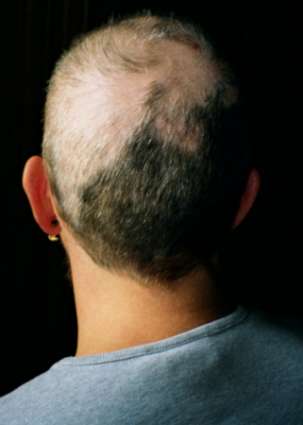
Clinical features and diagnosis
Typical clinical features include an increasing sense of tension or urge before pulling and relief, gratification or release while pulling. Many people make repeated unsuccessful efforts to stop or reduce the behavior. Diagnosis is based on clinical assessment of the behavior pattern, resulting hair loss, attempts to control the behavior, and clinically significant distress or impairment. A practitioner will also exclude other medical and dermatologic causes of hair loss.
- Common signs: patchy or uneven hair loss, short broken hairs, varying hair density, and skin irritation at pulling sites.
- Associated behaviors: hair twirling or rubbing, stroking or inspecting hair roots, and in some cases trichophagia (eating pulled hair).
- When trichophagia occurs, there is risk of trichobezoar (a hairball in the gastrointestinal tract) requiring medical attention.
Causes and related conditions
Trichotillomania likely results from an interaction of biological, psychological and environmental factors. Genetic vulnerability and differences in brain circuits that govern habit formation, emotional regulation and impulse control are implicated. Stress, boredom, or sensory triggers can precipitate or maintain the behavior.
The condition overlaps with several diagnostic categories: it has historically been described as an impulse control disorder, and it may resemble habitual or compulsive actions (habits), addictive patterns (addiction), or motor phenomena such as tics. It commonly co‑occurs with anxiety disorders, depressive disorders, obsessive‑compulsive disorder (OCD) and other BFRBs. For broader condition listings and context see professional compilations of mental health diagnoses (condition listings).
Treatment and management
Behavioral interventions are the most consistently supported first‑line treatments. Habit Reversal Training (HRT), often delivered as part of a Comprehensive Behavioral or Cognitive‑Behavioral Therapy program for trichotillomania, teaches awareness of urges, a competing response to replace pulling, and strategies to modify triggers and the environment. Stimulus control and self‑monitoring are common components.
- Behavioral therapies: HRT, habit reversal components, stimulus control and CBT techniques adapted for BFRBs.
- Medications: pharmacologic approaches have variable evidence; selective serotonin reuptake inhibitors and other agents have been tried in clinical practice when appropriate, with treatment individualized by a clinician.
- Adjuncts: some supplements and drugs (for example N‑acetylcysteine) have been studied with mixed results; dermatologic care, cosmetic approaches and medical treatment for complications (such as trichobezoar) may be required.
Assessment, differential diagnosis and prognosis
Assessment typically combines psychiatric evaluation with a medical and dermatologic exam to rule out other causes of hair loss such as alopecia areata, nutritional deficiencies, or dermatologic disease. It is important to distinguish deliberate hair removal for cosmetic reasons from the repetitive, driven pulling seen in trichotillomania. Motor tics and body‑mutilation disorders can overlap and sometimes require specialist input.
The course of trichotillomania is variable: for some people it is chronic and fluctuating, for others it is episodic or improves with intervention. Early identification and behavioral treatment are associated with better outcomes; social support and specialist care help address functional impacts.
Impact, coping and resources
Trichotillomania can affect self‑esteem, relationships, school or work performance and daily functioning. Practical coping strategies include using competing responses, altering routines, protective coverings or barriers, and strategies to reduce stress and boredom. Peer support groups and specialized clinics can provide education and shared coping tips. For authoritative guidance consult clinical practice materials such as the DSM descriptions and organizational resources from the American Psychiatric Association and related professional bodies (condition listings).
Research and clinical directions
Ongoing research seeks to clarify underlying neurobiology, improve behavioral and pharmacologic treatments, and develop accessible delivery methods such as internet‑based therapies. Clinicians from psychiatry, psychology and dermatology often collaborate to provide comprehensive care tailored to the individual.
Related articles
Author
AlegsaOnline.com Trichotillomania (Hair‑Pulling Disorder) Leandro Alegsa
URL: https://en.alegsaonline.com/art/101478