
Toll road (turnpike): purpose, types, history and effects
A toll road is a roadway where users pay fees to travel. This article covers definitions, systems, history, financing, uses, benefits, and common criticisms of toll roads.
A road that requires payment to use is known as a toll road (also called a turnpike, toll highway, or express toll route). Drivers and other vehicles must pay a specified fee—the toll—either at a booth, via an electronic gantry, or through a billing system. Tolls often serve both to raise revenue and to influence demand, helping reduce congestion during peak periods by giving drivers an option to pay for faster or more reliable travel.
Image gallery
10 Images


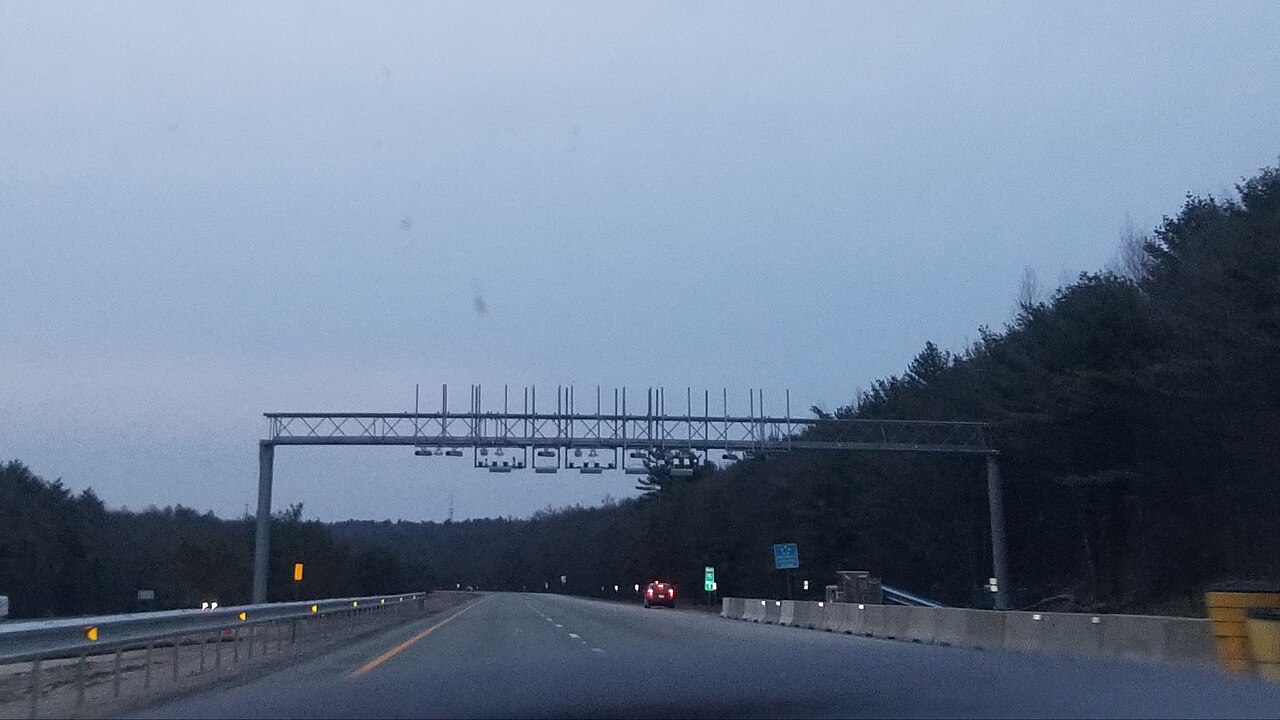

Characteristics and common systems
Toll facilities vary in design and pricing. Common forms include flat-rate barriers, closed systems that charge based on entry and exit points, and distance- or time-based charging. Modern networks increasingly use electronic toll collection with transponders, automatic license-plate recognition, or mobile billing to speed traffic flow and lower operating costs. Some implementations offer discounts or exemptions for residents, frequent users, or low-emission vehicles.
- Barrier tolls: a fixed charge at a point.
- Closed (ticket) systems: variable charges based on distance traveled.
- Electronic tolling: removes the need to stop and allows dynamic pricing.
History and development
The practice of charging for passage dates back centuries, from private turnpikes and toll bridges to state-run highways. Early tolls provided income to private operators or to governments and landowners who invested in roads. Over time many jurisdictions shifted to public financing, but tolling persisted as a tool to recoup construction costs or fund continued upkeep.
In modern practice tolls are sometimes considered a form of user charge or tax targeted to those who use the facility. Revenues often pay back bonds used for initial road construction and ongoing maintenance, or they fund operations and improvements without drawing on general taxation.
Uses, impacts and debates
Tolling can accelerate project delivery through public–private partnerships, provide a stable revenue stream, and support congestion management via variable pricing. However, critics point to equity concerns (disproportionate effects on low-income drivers), possible diversion of traffic onto local streets, and administrative costs. Planners balance these trade-offs by combining toll policy with exemptions, concessions, and complementary investments in public transport.
Notable distinctions include tolled bridges and tunnels versus tolled highway segments, and temporary tolls that end when finance obligations are satisfied. The evolution from staffed booths to electronic gantries has reduced delays, but debates about privacy, enforcement, and fair pricing continue as tolling systems expand.
For further technical detail and regional examples, readers can consult transportation agencies and comparative studies on tolling policy and technology. See also discussions of dynamic pricing, congestion management, and road financing approaches.
road | vehicles | fee | congestion | governments | landowners | tax | road construction | maintenance
Questions and answers
Q: What is a toll road?
A: A toll road is a road that requires drivers to pay a fee, known as a "toll", in order to use it.
Q: What are some other names for toll roads?
A: Toll roads may also be referred to as turnpikes, toll highways, or express toll routes.
Q: Why are toll roads built?
A: Toll roads are built in part to control the number of people using them. In some cases, toll roads are also built to allow some users to travel faster and avoid traffic congestion.
Q: Why were tolls collected in the past?
A: In the past, tolls were collected to provide income for governments and landowners.
Q: What is the purpose of tolls today?
A: Today, tolls are often considered a form of tax that helps to pay for the cost of road construction and maintenance that are not charged to those who do not use the road.
Q: What is the benefit of tolls for drivers who choose to pay them?
A: For drivers who choose to pay tolls, there may be a benefit of faster travel time and avoiding traffic congestion.
Q: Who is responsible for the maintenance and construction of toll roads?
A: The cost of maintaining and constructing toll roads is typically the responsibility of those who own and operate the toll road, rather than the government or taxpayers.
Related articles
Author
AlegsaOnline.com Toll road (turnpike): purpose, types, history and effects Leandro Alegsa
URL: https://en.alegsaonline.com/art/100345
Sources
- turnpikes.org.uk : Rosevear, Alan 2010. Turnpike roads in England