
Traction motor: electric drive motors for vehicles and machinery
An electric motor built to deliver tractive torque for propulsion or motion transfer. Covers types, components, history, applications, and how traction motors differ from general-purpose motors.
Overview
A traction motor is an electric motor specifically designed to produce continuous tractive torque for propulsion or for driving a mechanism that converts rotation into linear motion. Unlike many general-purpose electric motors, traction motors must deliver high torque over a wide speed range, tolerate frequent starts and reversals, and integrate with vehicle control systems. They are the prime movers in many kinds of rail and road vehicles, and in industrial equipment where controlled motion is essential.
Image gallery
4 Images


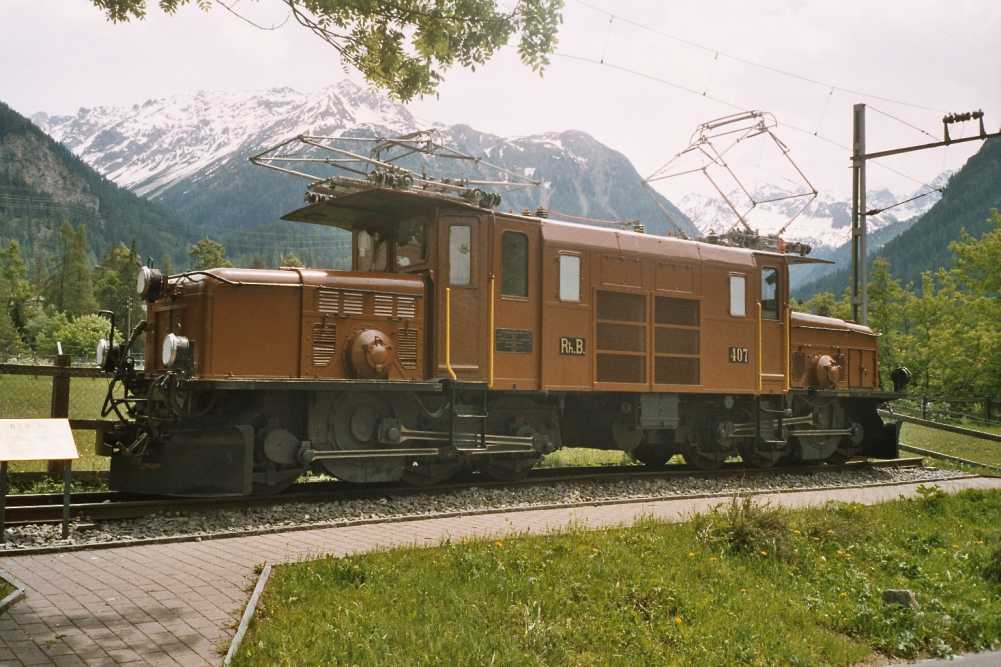
Characteristics and main parts
Traction motors are optimized for heavy-duty duty cycles and often incorporate features for thermal management, rugged bearings, and efficient cooling. Common design families include DC series and separately excited motors, AC induction motors, synchronous motors, and brushless permanent-magnet motors used with power electronics. Core components include a stator, rotor, bearings, and — where applicable — commutators or electronic inverters. They are sized to match gearbox or wheel interfaces on a machine and to deliver the necessary torque at low speeds.
Types and technical approaches
- DC traction motors: historically common for their simple speed control and strong starting torque.
- AC induction and synchronous motors: favored today when paired with inverters for efficiency and regenerative braking.
- Permanent-magnet motors: offer high power density for battery-powered vehicles.
History and development
Traction motors became widespread with early electric railways and tramways in the late 19th and early 20th centuries. Advances in power electronics and control systems in the late 20th century accelerated a shift from heavy DC machines to AC-based drives. Hybrid and diesel-electric systems use electrical transmission that couples prime movers to traction motors, a configuration typified by Diesel-electric locomotives and many modern hybrid vehicles.
Applications and examples
Typical uses include:
- Rail traction: electric multiple units and electric locomotives.
- Road and utility vehicles: battery-electric cars, buses, and specialized vehicles such as milk floats; see electric vehicle contexts.
- Industrial drives: elevators, conveyors, cranes and other systems that require controlled linear or rotational motion — for example elevators and automated conveyors.
- Systems with electrical transmission: diesel-electric and hybrid drivetrains, and battery-powered equipment (battery technologies).
Distinctions and notable facts
Compared with general-purpose motors, traction motors emphasize torque density, reliability under variable load, and compatibility with regeneration. They are integrated with speed controllers, inverters and braking systems to return energy to a vehicle or grid. In rolling stock and heavy equipment the choice of traction motor influences maintenance needs, cooling arrangements, and overall vehicle efficiency. For further reading on related subjects see electric power, vehicle-level architectures such as electric vehicles, and component-level resources at electric motor references.
Additional resources and standards may be consulted for design guidance and interoperability; for an overview of electrical traction concepts consult materials on electric vehicle systems and propulsion, or technical references on electromechanical machines.
Questions and answers
Q: What is a traction motor?
A: A traction motor is a type of electric motor used to make rotation torque on a machine and convert it into straight line motion.
Q: In which types of electrically powered rail vehicles are traction motors used?
A: Traction motors are used in electric multiple units and electric locomotives.
Q: Apart from rail vehicles, where else are traction motors used?
A: Traction motors are also used in electric vehicles such as milk floats, elevators, and conveyors.
Q: What types of vehicles use electrical transmission systems and hence also use traction motors?
A: Vehicles with electrical transmission systems such as Diesel-electric locomotives, electric hybrid vehicles, and battery powered electric vehicles use traction motors.
Q: What is the purpose of a traction motor?
A: The purpose of a traction motor is to generate rotation torque on a machine and convert it into straight line motion.
Q: Are electric vehicles the only type of vehicles that use traction motors?
A: No, Diesel-electric locomotives and electric hybrid vehicles also use traction motors in their electrical transmission systems.
Q: Can you name some examples of electric vehicles that use traction motors?
A: Electric milk floats, as well as battery powered electric vehicles, use traction motors.
Related articles
Author
AlegsaOnline.com Traction motor: electric drive motors for vehicles and machinery Leandro Alegsa
URL: https://en.alegsaonline.com/art/101010
Sources
- railway-technical.com : "Electric Traction Drives"
- snowman.com.au : "Evaporative Air Conditioning"