
Thornaby-on-Tees
Thornaby-on-Tees is a town on the south bank of the River Tees in the Borough of Stockton-on-Tees, part of the Teesside urban area in ceremonial North Yorkshire, England.
Overview
Thornaby-on-Tees is a town on the south side of the River Tees within the Borough of Stockton-on-Tees. It forms part of the Teesside urban area and lies close to larger centres such as Stockton, Middlesbrough and Yarm. Administratively it is associated with North Yorkshire for ceremonial purposes while local services come from the borough council.
Image gallery
10 Images





Characteristics and setting
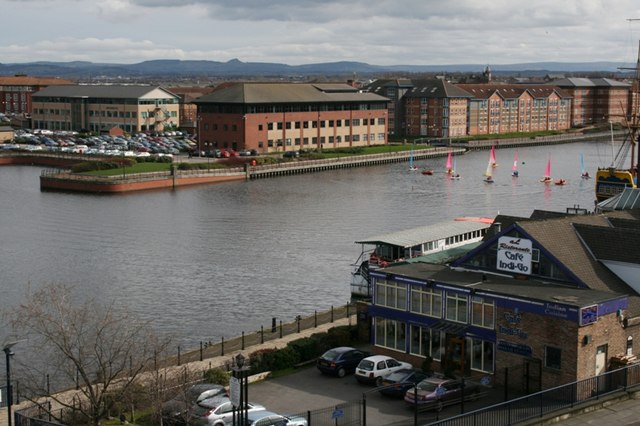
The town includes a mix of residential neighbourhoods, commercial streets and areas that reflect its industrial past. Thornaby sits on relatively flat land beside the Tees and has seen housing and leisure development alongside pockets of older industrial infrastructure. Community facilities include local shops, schools and sports clubs that serve the town and surrounding suburbs.
History and development
Thornaby grew significantly during the 19th and early 20th centuries as industry and transport developed along the Tees. Shipbuilding, heavy engineering and related trades shaped much of the local economy, and later 20th‑century changes led to regeneration efforts and new housing. An airfield and a Royal Air Force presence in the area also influenced local employment and identity in the earlier 20th century.
Transport and connections
- Rail: Thornaby railway station links the town into regional routes and provides commuter access.
- Road: Major roads and local bus services connect Thornaby with Stockton, Middlesbrough and wider Teesside.
- Proximity: The town benefits from its riverside location and closeness to regional economic centres.
Economy, landmarks and contemporary life
Today Thornaby combines remnants of industrial heritage with modern residential areas and community amenities. Local employers span retail, light industry and services. Some former industrial sites have been redeveloped for housing, leisure or business parks, reflecting broader economic shifts in the region.
Notable facts and identity
Thornaby maintains a local civic identity within the larger Teesside conurbation. It is often discussed in relation to neighbouring towns and the River Tees, and is part of regional regeneration conversations that aim to balance heritage conservation with new development and improved local services.
Related articles
Author
AlegsaOnline.com Thornaby-on-Tees Leandro Alegsa
URL: https://en.alegsaonline.com/art/99588