
Three Great Gardens of Japan
Overview of Japan’s Three Great Gardens — Kenroku-en, Kōraku-en and Kairaku-en — their features, history, cultural importance, and distinguishing characteristics for visitors and students of landscape design.
Overview
The phrase "Three Great Gardens of Japan" refers to a popular grouping of three historically and aesthetically important Japanese landscape gardens: Kenroku-en in Kanazawa, Kōraku-en in Okayama, and Kairaku-en in Mito. Together they exemplify key principles of traditional Japanese garden design and are widely visited for their seasonal beauty and cultural value.
Image gallery
5 Images



Origins and historical context
All three gardens were created or substantially shaped during the Edo period by powerful regional rulers and retain features associated with daimyo gardens: large ponds, winding paths, carefully sited stones, teahouses and borrowed scenery. They reflect the tastes and social functions of feudal gardens — places for contemplation, ceremony and public display of power — while surviving into the modern era as protected cultural landscapes.
Common characteristics
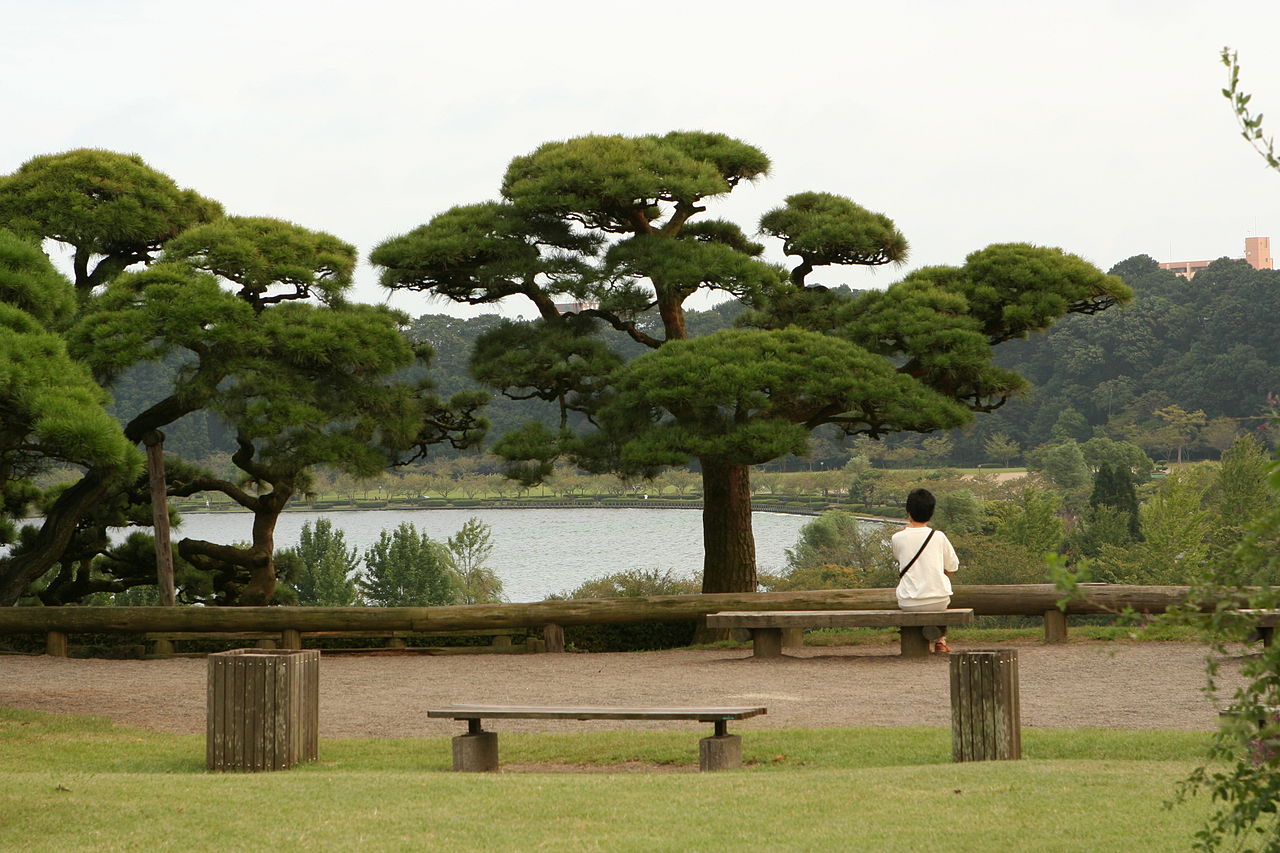
These gardens are prime examples of the kaiyū-shiki (strolling) style. Visitors move along designed routes to encounter changing views: framed trees, stone lanterns, arched bridges and water features. Techniques such as shakkei (borrowed scenery), controlled vistas, and seasonal planting ensure interest year-round, from plum and cherry blossoms to autumn foliage and winter snow.
Notable features of each garden
- Kenroku-en — Renowned for embodying the six ideal attributes of a great garden: spaciousness, seclusion, artifice, antiquity, abundant water and broad views. Its ponds, lanterns and pine trees are celebrated motifs.
- Kōraku-en — Located beside Okayama Castle, this garden was designed for both formal entertainments and private strolls. It emphasizes open lawns, winding paths and scenic viewpoints overlooking the castle and river.
- Kairaku-en — Famous for extensive plum (ume) groves and festivals that attract visitors each spring. It was conceived to be open for public enjoyment and combines naturalistic plantings with constructed garden elements.
Importance and visiting
These gardens are influential in the study of Japanese landscape architecture and are popular tourist destinations. They host seasonal events, such as plum and cherry blossom festivals, and are used as examples in educational materials about traditional horticulture and design. Conservation and careful management preserve historic features while accommodating modern visitors.
Further reading and resources
For official information, site histories and visitor details consult regional resources and garden websites. See the relevant official pages for practical details and current events: Kenroku-en and regional information and Kōraku-en and Kairaku-en resources.
Related articles
Author
AlegsaOnline.com Three Great Gardens of Japan Leandro Alegsa
URL: https://en.alegsaonline.com/art/99642
Sources
- japantravelinfo.com : "The Big Three Japanese Gardens"
- pref.ishikawa.jp : "Kenroku-en,"
- books.google.com : National Geographic Traveler Japan, p. 150.