
Thích Quảng Đức: Vietnamese monk whose 1963 self‑immolation drew global attention
Thích Quảng Đức (1897–1963) was a Vietnamese Mahayana Buddhist monk who self‑immolated in Saigon to protest the South Vietnamese government's persecution of Buddhists, provoking international outrage.
Overview
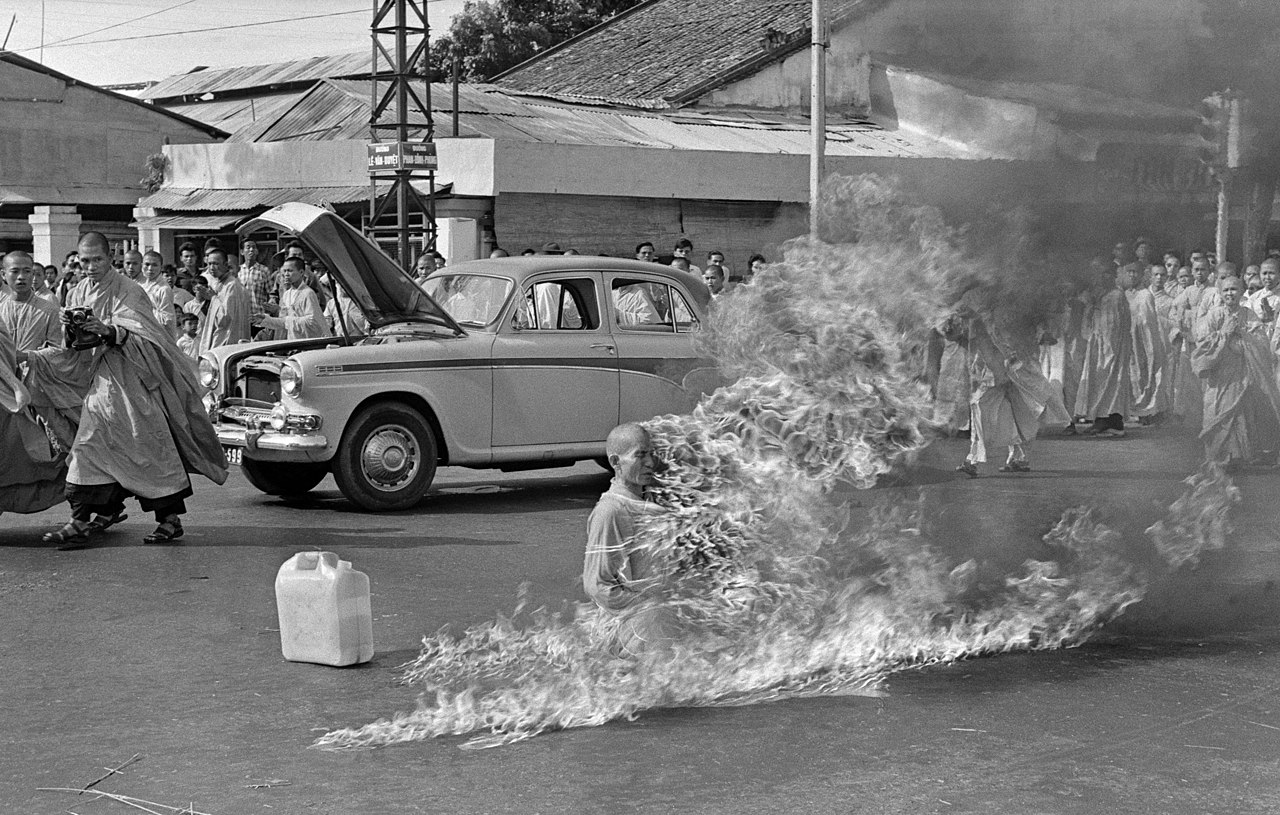
Thích Quảng Đức (1897–1963) was a Vietnamese Mahayana Buddhist monk who became widely known when he died by self‑immolation on June 11, 1963. The act took place in a busy Saigon intersection and was intended as a political protest against the South Vietnamese government's treatment of the Buddhist majority. His action quickly became an international symbol of nonviolent protest and religious resistance.
Image gallery
10 Images



Background and identity
Born in 1897 in what was then French Indochina, Thích Quảng Đức trained and lived within the Vietnamese Buddhist monastic tradition. He was ordained as a monk and served in several temples and community roles before his final act. Observers note that his decision reflected deep concern about restrictions on religious freedom and the escalating tensions between Buddhist communities and the Roman Catholic‑dominated government of President Ngô Đình Diệm.
The protest and immediate effects
On the morning of his death, Thích Quảng Đức sat calmly while setting himself alight in a public crossroads. The event was photographed and reported around the world, amplifying its impact. The widely distributed photograph produced intense international scrutiny of South Vietnam's policies toward Buddhists, contributing to diplomatic pressure and widespread domestic disquiet. Contemporary accounts emphasize the composed, deliberate nature of his protest and the profound moral shock it produced.
Legacy and significance
Thích Quảng Đức is remembered both within Vietnam and globally as a potent symbol of religious protest and moral conviction. His self‑immolation inspired debate about political dissent, nonviolent sacrifice, and the ethical limits of protest. Many Buddhists regard him as a martyr; his act influenced subsequent demonstrations and remains a reference point in discussions of self‑immolation as political speech.
Key facts
- Birth year: 1897; death: June 11, 1963. More on dates
- Religious tradition: Mahayana Buddhism. About Buddhism
- Role: Buddhist monk and community leader.
- Context: born in French Indochina. Historical context
- Mode of death: self‑immolation; often described in contemporary reports as suicide by burning.
- Purpose: protesting government actions; he was protesting discrimination against Buddhist communities. About Buddhists in South Vietnam
Widely cited in histories of modern Vietnam and of civil‑resistance tactics, the event remains an enduring example of the ways religious conviction and political protest can intersect. For further study consult contemporary news archives and scholarly treatments that examine the social, political, and religious dimensions of the 1963 crisis.
Related articles
Author
AlegsaOnline.com Thích Quảng Đức: Vietnamese monk whose 1963 self‑immolation drew global attention Leandro Alegsa
URL: https://en.alegsaonline.com/art/99352