
Theni district, Tamil Nadu
Theni district in western Tamil Nadu, India: a mixed landscape of Western Ghats hills and fertile valleys, known for agriculture, perennial streams and towns such as Theni, Periyakulam and Uthamapalayam.
Overview
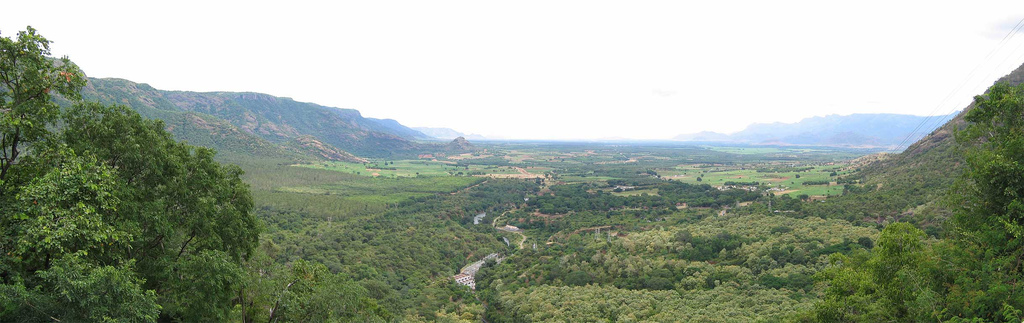
Theni district lies in the western part of the Indian state of Tamil Nadu and forms part of South India. The district headquarters is the city of Theni (town). The area combines upland terrain along the foothills of the Western Ghats with a low-lying valley system carved by hill streams. As of the 2011 census Theni district had a population of 1,245,899 and a sex ratio of 991 females per 1,000 males.
Image gallery
10 Images






Geography and divisions
Topographically the district is commonly described in two natural divisions. The hilly western areas include parts of several taluks and support dense vegetation and perennial streams that descend from the Ghats. The Cumbum valley, situated in the eastern and central portion of the district, is a relatively flat and fertile bowl within the taluk of Uthamapalayam. Major administrative taluks include Periyakulam, Uthamapalayam, Andipatti and others.
Economy and land use
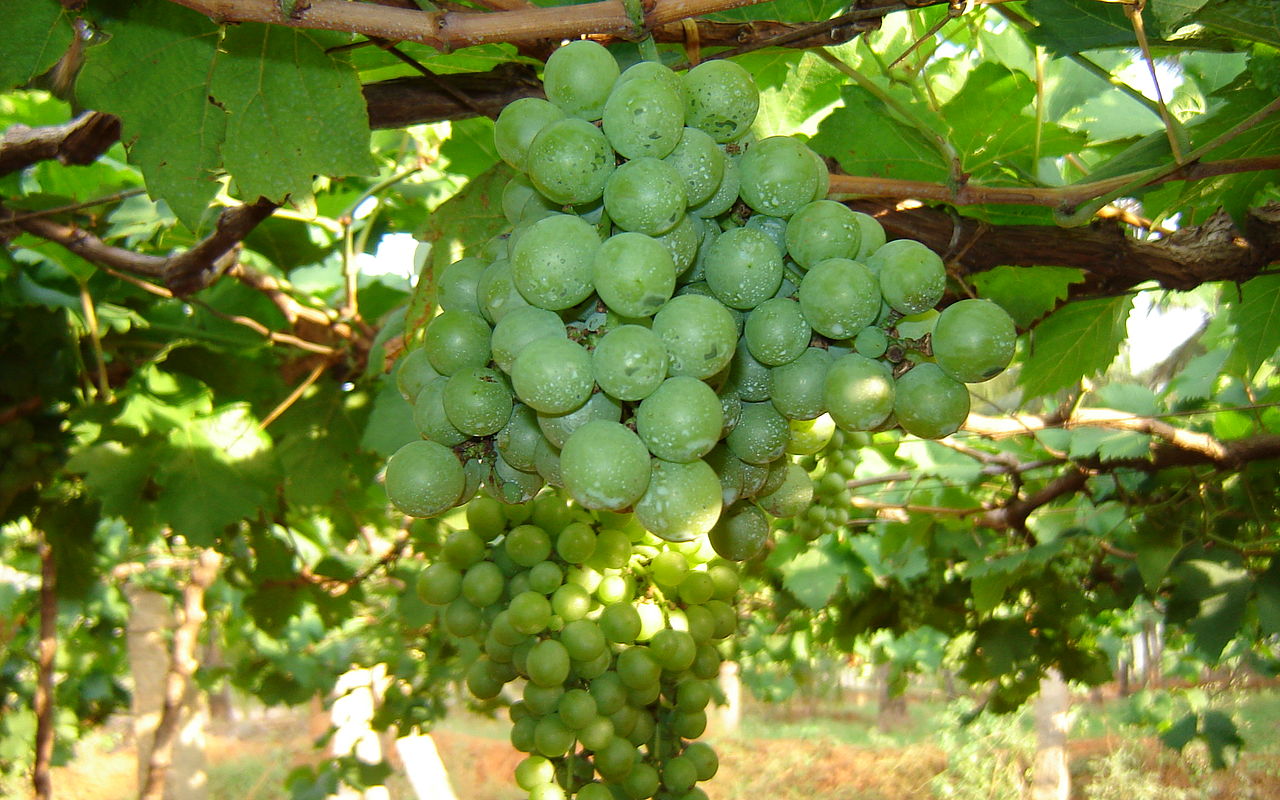
Agriculture is the dominant economic activity. The combination of hill irrigation and valley soils allows cultivation of a range of crops, including fruits, vegetables and spices suited to the microclimates of the hills and valley. Small towns act as trading and processing centres for farm produce, and there are local industries connected to agro-processing, textiles and engineering services that serve regional markets.
History and administration
Administratively Theni has evolved as district-level governance developed in Tamil Nadu; its boundaries and taluk composition reflect historical links with neighbouring districts and the needs of local administration. Local government is organised into municipalities, panchayats and taluk offices responsible for planning, rural development and basic services.
Demographics, culture and transport
The population is primarily Tamil-speaking and follows the cultural traditions of the region, with local festivals, markets and religious sites that serve community life. Transport connections include road and rail links that tie Theni to larger urban centres, enabling movement of people and agricultural goods to markets beyond the district.
Notable features and distinctions
- Two contrasting landscapes: Western Ghats foothills and the Cumbum valley.
- Perennial hill streams that support irrigation and local ecosystems.
- Concentration of fruit and spice cultivation in valley and upland pockets.
- Important regional market towns that process and trade agricultural produce.
For further reading on regional geography and administration, consult official state resources and district reports that provide detailed maps, development plans and up-to-date statistics.
Questions and answers
Q: What is Theni district?
A: Theni district is a district of the Tamil Nadu state in South India.
Q: Which city is the district headquarters of Theni district?
A: The city of Theni is the district headquarters of Theni district.
Q: What are the natural divisions of Theni district?
A: The natural divisions of Theni district are hilly areas and Cumbum valley.
Q: Which taluks constitute the hilly areas in Theni district?
A: The hilly areas in Theni district are constituted by parts of three taluks: Periyakulam, Uthamapalayam, and Andipatti.
Q: What are the characteristics of the hilly areas in Theni district?
A: The hilly areas in Theni district have thick vegetation and perennial streams from the hills on the western side.
Q: Where does the Cumbum valley lie in Theni district?
A: The Cumbum valley lies in the Uthamapalayam taluk of Theni district.
Q: What was the population of Theni district as of 2011?
A: As of 2011, the population of Theni district was 1,245,899 with a sex-ratio of 991 females for every 1,000 males.
Related articles
Author
AlegsaOnline.com Theni district, Tamil Nadu Leandro Alegsa
URL: https://en.alegsaonline.com/art/99219
Sources
- tnenvis.nic.in : "Environment Profile for Theni district"
- theni.tn.nic.in : "District Profile Theni District"
- theni.tn.nic.in : "District Statistical Handbook 2006-2007 Theni District"
- thenitimes.sitesled.com : "History of Theni District"