
Attica — region surrounding Athens in Greece
Attica is the historical and modern region that contains Athens and nearby islands. It is Greece’s most populous area and a national center for politics, culture, shipping and tourism.
Attica is a coastal and inland region of Greece that surrounds the city of Athens. Historically it was administered as one of the country’s prefectures, and today it functions as the primary metropolitan and economic area of the nation. The region combines dense urban districts, suburbs, mountain ranges and sections of the Saronic Gulf coastline.
Image gallery
10 Images




Geography and components
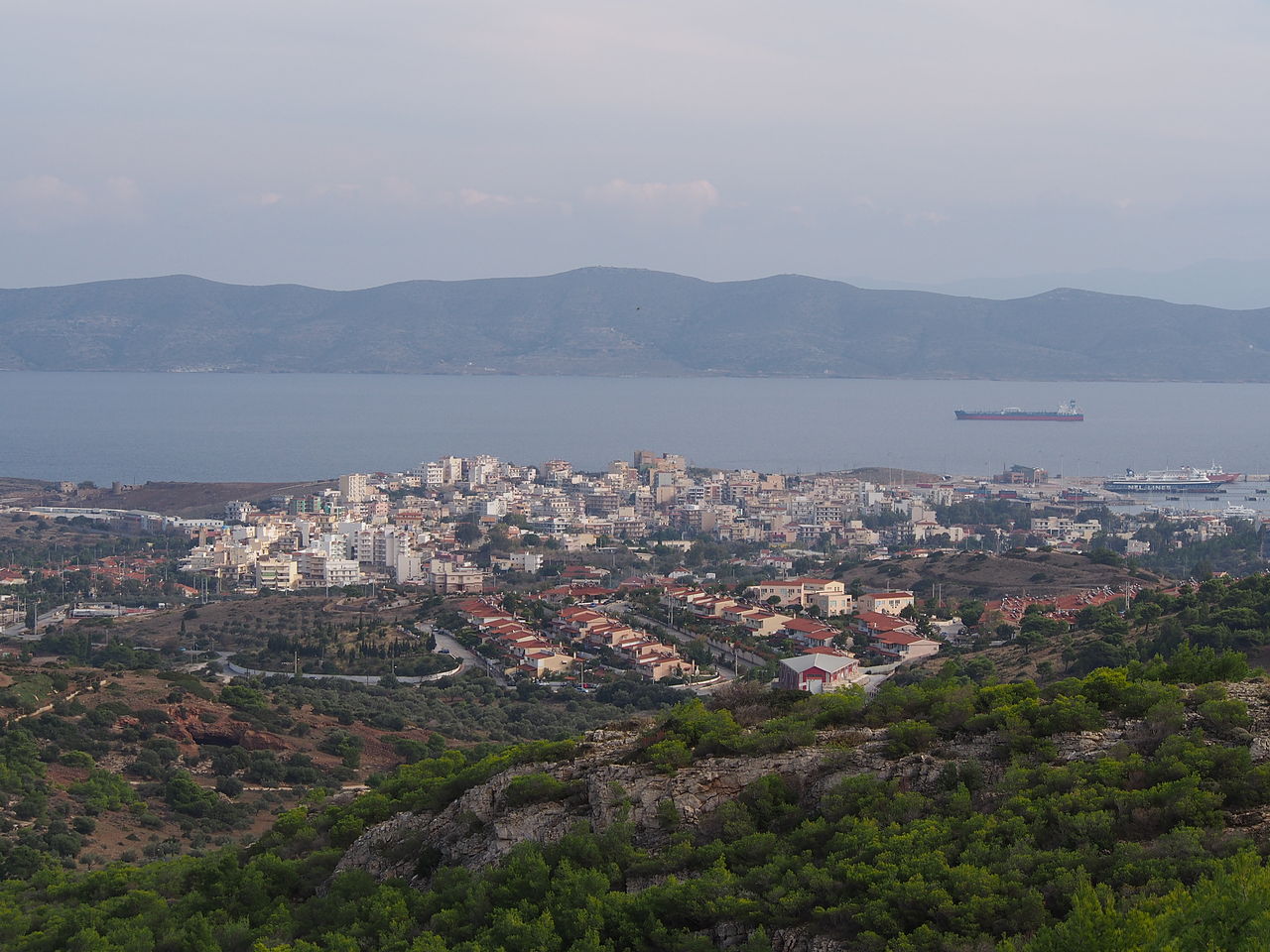
Attica occupies a peninsula that projects into the Aegean Sea. Its landscape includes rocky hills and notable mountains—such as Parnitha, Pentelicus and Hymettus—along with long coastal strips and several nearby islands. The port of Piraeus and the island of Salamis are among the most important maritime features linked to the region.
Historical significance
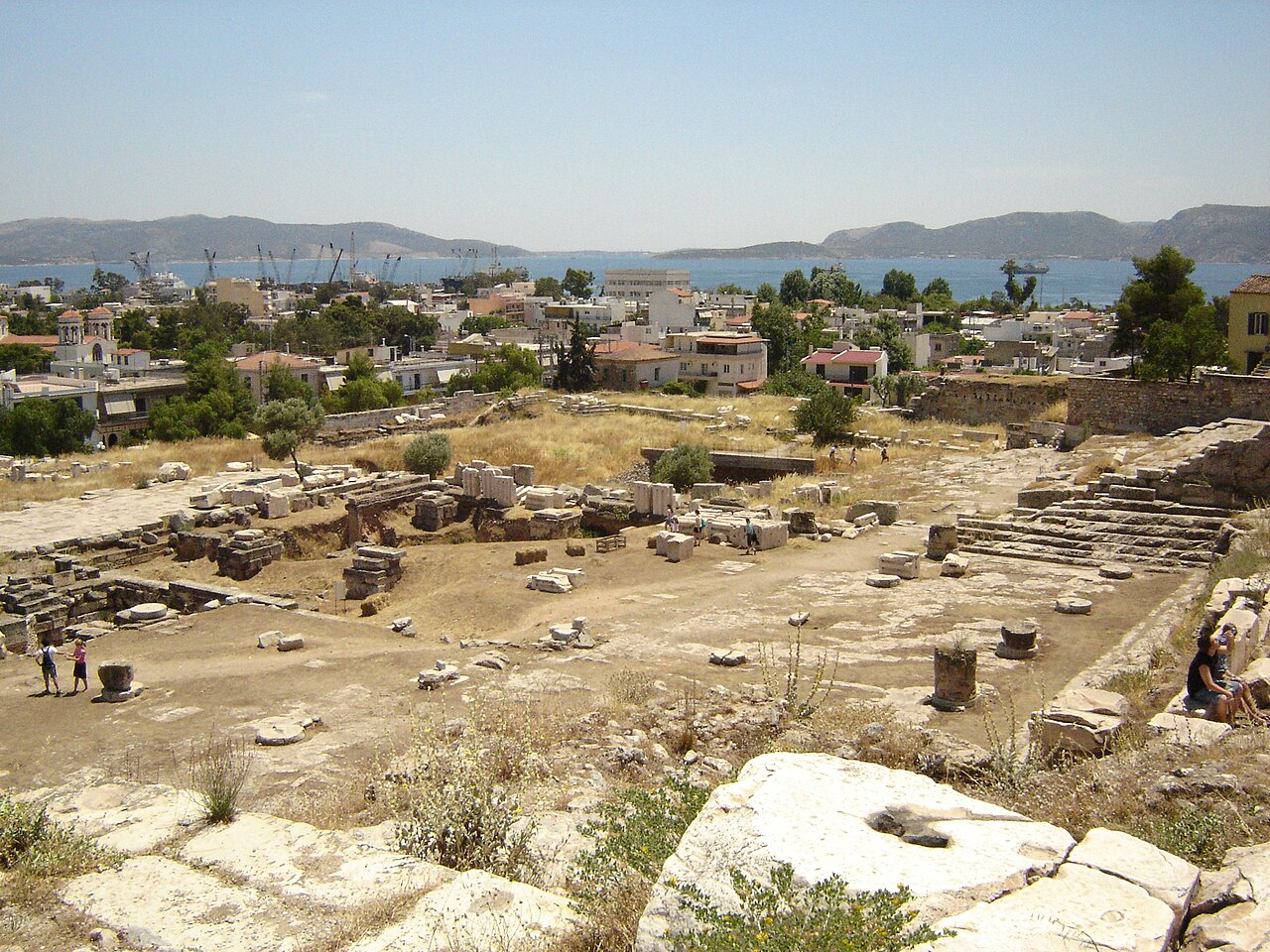
In antiquity Attica was the territory of the Athenian polis and the home of the Athenian democracy, philosophers and classical architecture. Sites across the region preserve remains from the Archaic, Classical and later periods, reflecting Attica’s central role in Greek cultural and political development. Towns such as Eleusis are associated with ancient religious rites and wider historical narratives.
Modern administration and economy
Today Attica is Greece’s most populous region, containing the national capital and major suburbs. It is the country’s administrative, financial and transport hub: national institutions, universities and museums are concentrated here, and the Port of Piraeus is a principal Mediterranean shipping center. Industry, services and tourism together form the backbone of the local economy.
Population and urban structure
The greater Attica area houses roughly around 3.5 million residents, making it by far the largest urban agglomeration in Greece. Its settlement pattern ranges from the dense urban core of Athens to suburban municipalities and semi-rural districts farther from the center. Public transit, road networks and ferry links connect these varied zones.
Notable distinctions
- Attica is often used interchangeably with Athens in everyday speech, but the region covers a wider territory that includes ports, islands and mountain areas.
- It combines archaeological heritage with contemporary cultural life, hosting internationally recognized museums, theaters and festivals.
- Because of its economic weight and population, developments in Attica strongly influence national trends in Greece.


Questions and answers
Q: What is Attica?
A: Attica is one of the 51 prefectures of Greece that contains Athens, the capital of Greece.
Q: What was Attica in the ancient period?
A: Attica was the area of ancient Athenian state in the ancient period.
Q: What is the population of Attica?
A: The population of Attica is about 3,500,000 people.
Q: What is the significance of Attica today?
A: Attica is the prefecture with the largest number of people in Greece being the area where Athens, the capital of Greece, is.
Q: What is the capital of Greece and where is it located?
A: The capital of Greece is Athens and it is located in the prefecture of Attica.
Q: How many prefectures are there in Greece?
A: There are 51 prefectures in Greece.
Q: When was Athens the capital of Greece?
A: Athens has been the capital of Greece since 1834.
Related articles
Author
AlegsaOnline.com Attica — region surrounding Athens in Greece Leandro Alegsa
URL: https://en.alegsaonline.com/art/7109