
The Three Caballeros (1944 animated film)
A 1944 Walt Disney package film mixing live action and animation, following Donald Duck with José Carioca and Panchito across Latin American vignettes; noted for music, goodwill themes and later cultural reassessment.
Overview
The Three Caballeros is a 1944 animated feature produced by Walt Disney Productions and released by RKO. It premiered in Mexico City on December 12, 1944 (premiere details) and is counted as the seventh film in the official Disney animated features canon (canon listing). The picture was created during the World War II era when the studio made a string of shorter, travel-oriented pictures intended to celebrate and promote friendly ties with countries across Latin America. Its format mixes animated segments with live-action footage, musical numbers and travelogue-style scenes (film page).
Image gallery
3 Images

Structure and principal characters
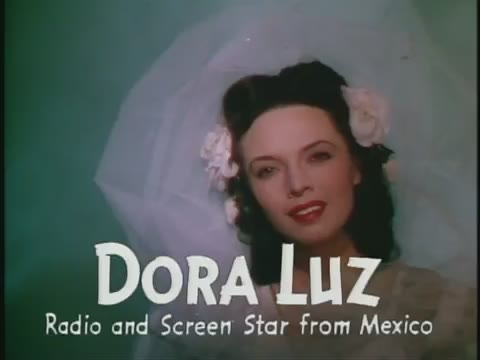
The movie is structured as a sequence of self-contained vignettes linked by a framing device: Donald Duck opens a series of birthday gifts sent by friends in Latin America. In the course of the film Donald (the film’s familiar star; Donald Duck) reunites with José Carioca, the smooth-talking Brazilian parrot introduced in Saludos Amigos, and meets a new companion, Panchito Pistoles, a boisterous Mexican charro rooster. Live-action performers also appear, including singers such as Aurora Miranda (sister of the better-known Carmen Miranda; Carmen Miranda) and Dora Luz, and dancers who participate in several musical passages.
Music, production and notable contributors
Music plays a central role in the film’s identity. The Mexican sequences feature work by composer Manuel Esperón, whose songs from Mexico’s Golden Age of cinema were adapted for a spirited segment that includes the well-known tune "Ay Jalisco, No Te Rajes!". Walt Disney and his team collaborated with local artists and musicians to give the segments regional flavor. The film earned industry recognition with Academy Award nominations for its musical score and sound (Academy Awards).
Style, innovation and later reception
At the time of release the film was notable for its experimental mixing of live-action footage and animated sequences, playful camera rhythms, and vivid color design. It belongs to a group of 1940s Disney "package" films that prioritized variety and musical presentation over a single continuous narrative. While many viewers praised the film’s joyous tone and musical richness, later critics and scholars have pointed out that some portrayals reflect period stereotypes and simplified cultural caricatures; contemporary presentations often include context notes or limited exhibitions to address these concerns.
Legacy and cultural footprint
The Three Caballeros left a lasting mark on Disney’s character roster: José Carioca and Panchito became recurring figures in comics, promotional material and theme-park appearances, and the film’s songs and set pieces have been celebrated and reworked in different media. The picture is often studied as a historical artifact of wartime cultural diplomacy and as an example of mid-century animation experimentation. For more production background and archival materials, see the studio’s historical pages and dedicated film resources (production notes, studio records, premiere reports).
- Format: package of musical vignettes combining live action and animation (details).
- Main cast: Donald Duck, José Carioca, Panchito Pistoles (Donald, José).
- Notable contributors: Manuel Esperón and Latin American performers (see Aurora Miranda and others; related artists).
- Historical context: produced as part of wartime cultural outreach to Latin America and recognized by the Academy (nominations).
For those interested in viewing or researching the film, reference materials and archival footage are available through studio archives and film history collections (canon sources, studio archives).
Questions and answers
Q: What is the Three Caballeros?
A: The Three Caballeros is a 1944 animated movie produced by Walt Disney Productions and distributed by RKO Radio Pictures. It is the 7th animated movie in the Disney animated features canon, and follows an adventure through parts of Latin America, combining live-action and animation.
Q: When did it premiere?
A: The Three Caballeros premiered in Mexico City on December 12, 1944.
Q: Who are some of the stars that appear in the movie?
A: Some of the stars that appear in The Three Caballeros include singers Aurora Miranda (sister of Carmen Miranda) and Dora Luz, as well as dancer Carmen Molina.
Q: Who are Donald Duck's friends from Latin America?
A: Donald Duck's friends from Latin America include his old friend José Carioca, a cigar-smoking parrot from Saludos Amigos (1943), representing Brazil, and Panchito Pistoles, a rooster representing Mexico.
Q: Who wrote the music for the Mexican part of the movie?
A: The music for the Mexican part of The Three Caballeros was written by Mexican composer Manuel Esperon who wrote scores for over 540 Mexican movies during what is known as "the Golden Age of Mexican Cinema".
Q: What song did Manuel Esperon write for this movie?
A: Manuel Esperon wrote "Ay Jalisco No Te Rajes!" for The Three Caballeros which became one of his most famous songs.
Q: Did this movie receive any awards or nominations?
A: Yes! The Three Caballeros received two Academy Award nominations for Original Music Score and Best Sound.
Related articles
Author
AlegsaOnline.com The Three Caballeros (1944 animated film) Leandro Alegsa
URL: https://en.alegsaonline.com/art/98981