
The Texas Chainsaw Massacre
1974 American horror film directed by Tobe Hooper. Noted for its raw low-budget style, controversial violence, and major influence on the slasher and exploitation genres; it spawned a long-running franchise.
Overview
The Texas Chainsaw Massacre is a 1974 American horror film directed by Tobe Hooper. The picture, often described as raw and uncompromising, introduced the character Leatherface and a deranged family of antagonists. Its leading performers included Marilyn Burns, and the film is widely credited with helping to shape the modern slasher genre. For a general synopsis and cast listing see film entry.
Image gallery
3 Images
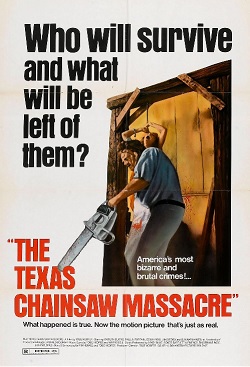

Origins and production
The movie was produced on a modest budget as an independent feature and relied on atmosphere, editing, and implied violence rather than elaborate special effects. The screenplay drew loose inspiration from criminal cases and rural Americana, a connection discussed in many analyses; for background on these influences consult background materials and the director's notes at Hooper resources. The film's gritty look and documentary-like pacing were deliberate choices intended to unsettle viewers.
Plot and characters
The narrative follows a group of young people who encounter a murderous family while traveling through rural Texas. Central figures include the resilient heroine (played by Marilyn Burns) and the hulking, mask-wearing antagonist Leatherface. The story emphasizes isolation, threat from unknown strangers, and a collapsing sense of safety, themes that resonated with audiences and critics.
Release, reception, and controversy
Upon release the film provoked strong reactions: some reviewers condemned its brutal imagery while others praised its inventiveness and tension. It encountered censorship and was banned or cut in several regions. Over time it moved from polarizing spectacle to recognized milestone in horror film history; contemporary critical discussions and restorations can be found at genre archives.
Franchise and adaptations
The original film gave rise to a franchise that includes sequels, prequels, reboots, and a 2003 remake. Later entries vary widely in style and continuity: notable follow-ups and reinterpretations are often cataloged under franchise pages such as sequels index, the 2003 remake overview at remake details, and studio notes at studio record. Filmmakers and scholars frequently reference the series when discussing the evolution of American horror cinema.
Legacy and notable facts
The film is credited with influencing countless horror filmmakers and advancing techniques for creating dread on limited budgets. It remains a subject of academic study for its cultural impact, treatment of violence, and commentary on American anxieties of the 1970s. For further reading and critical perspectives consult the linked resources above and contemporary retrospectives.
- Key names: director, lead actor.
- Studied in courses on film, genre, and censorship: see academic guides.
- Franchise overview: franchise page, sequels, 2003 remake, studio notes.
Related articles
Author
AlegsaOnline.com The Texas Chainsaw Massacre Leandro Alegsa
URL: https://en.alegsaonline.com/art/98974