
Albert Camus: life, thought, and literary legacy
Overview of Albert Camus (1913–1960): French-Algerian writer and philosopher, key works, themes (absurdity, rebellion), biography, influence, and notable facts including his 1957 Nobel Prize.
Overview
Albert Camus (7 November 1913 – 4 January 1960) was a French-language novelist, essayist, dramatist and public intellectual who became one of the most influential writers of the mid-20th century. He is widely read for his lucid prose and his probing reflections on human existence, freedom, responsibility and the limits of reason. Camus's output spans fiction, plays, journalism and philosophical essays and continues to be studied both for its literary merit and its ethical questions.
Image gallery
10 Images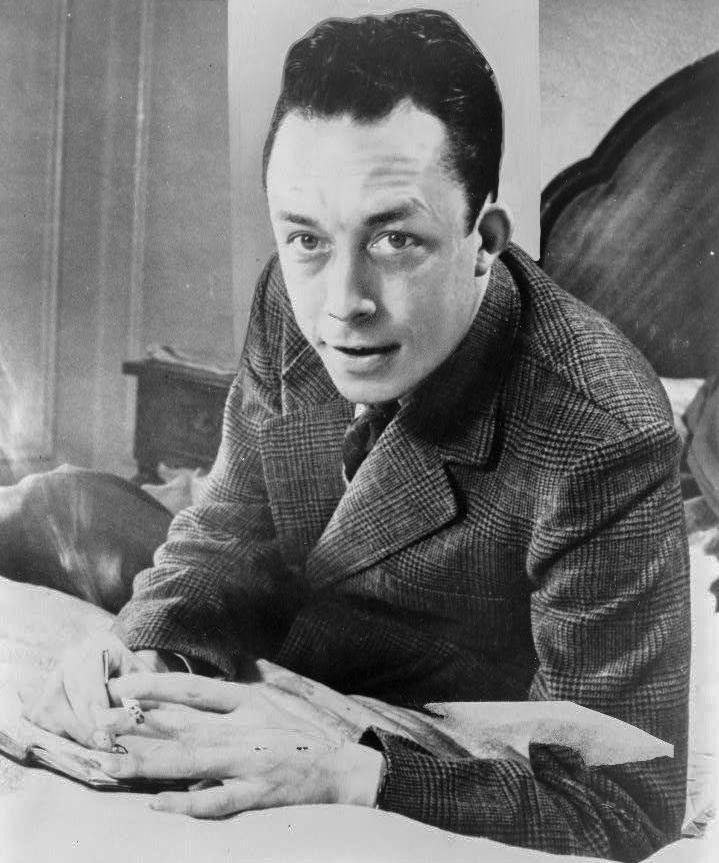




Life and background
Camus was born in a working-class family in French Algeria; his birthplace is often given as Mondovi (today Dréan) in the region then known as Algeria. His early years were marked by poverty and personal loss: his father died in the First World War and his mother had limited use of hearing. He studied philosophy at the University of Algiers before moving to metropolitan France. Health problems, notably tuberculosis, shaped parts of his career and outlook. During the Second World War Camus worked as a journalist and took part in the French Resistance, editing the clandestine and later openly published newspaper Combat.
Major works and genres
Camus worked in several literary forms. He published novels such as The Stranger and The Plague, and he wrote essays like The Myth of Sisyphus that explore philosophical themes. His dramatic works include plays often set in stark moral situations; examples include pieces linked here as stage works. A representative list of well-known titles would include:
- The Stranger (a novel that examines alienation and moral ambiguity)
- The Myth of Sisyphus (an extended essay on the notion of the absurd)
- The Plague (a novel frequently read as an allegory of human solidarity and resistance)
- The Rebel (an inquiry into revolt and its ethical limits)
Philosophy and themes
Camus is often linked to existentialist currents, but he himself resisted simple labels. Critics and readers commonly describe his central philosophical concern as the "absurd"—the clash between humans' search for meaning and an indifferent world. From that starting point Camus investigated how one might live with dignity: through lucidity, personal revolt, and a refusal to embrace absolute solutions that destroy human freedom. His thought engages with ethics, politics and the responsibilities of the writer in public life.
Reception, honors and later influence
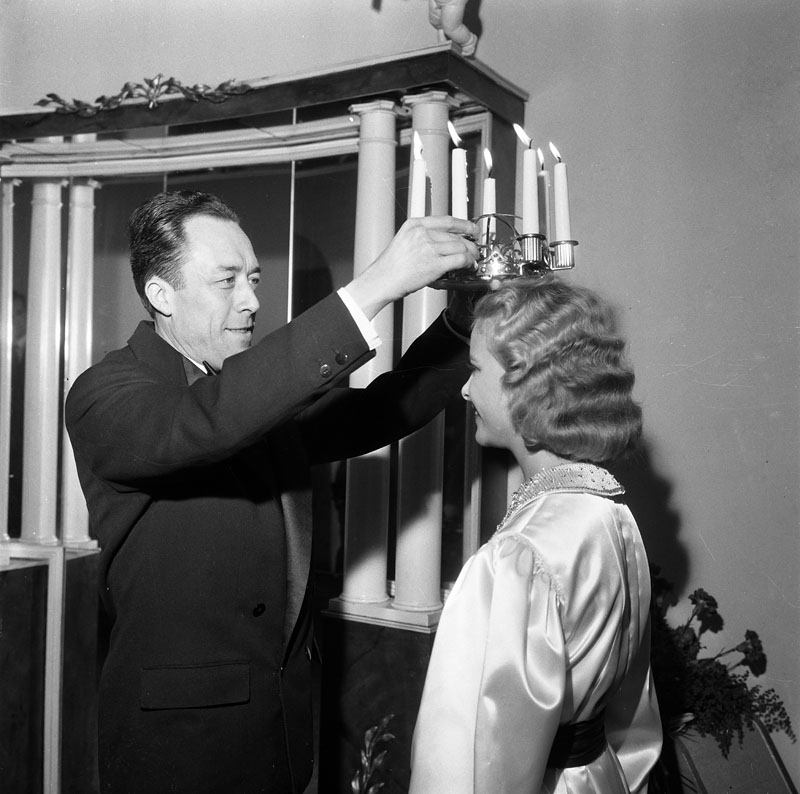
Camus received the Nobel Prize in Literature in 1957, an award that acknowledged both his literary achievements and the moral seriousness of his work. He is sometimes noted as one of the youngest laureates in the prize's history and as a prominent European intellectual of the postwar era. His essays and fiction influenced debates about colonialism, justice and humanism and continue to be taught widely in literature and philosophy courses.
Notable facts and final years
Camus's public life combined journalism, literary production and political engagement. He wrote on the situation in Algeria and on wider questions of decolonization and human rights, sometimes generating controversy. His life was cut short when he died in a car crash on 4 January 1960; contemporary accounts often mention this sudden end in discussions of his legacy. He has also been compared historically with figures such as Rudyard Kipling in lists that examine age and recognition among laureates. For background material and primary texts related to his journalism, novels and plays, see resources signposted here: Camus as writer, colonial context, North Africa, existentialist connections, and notes on literary form in contemporary reportage.
Readers approaching Camus for the first time often start with his short novel The Stranger or the essay The Myth of Sisyphus, then move to plays and longer novels to see how his ideas are dramatized in narrative contexts. For modern critical perspectives and editions, consult general literary surveys and collections of his essays and correspondence that provide historical framing and interpretation. Further materials and guides to his work may be found through academic and public resources signposted at publishers and libraries: biographical outlines, dramatic texts, regional studies, collected writings, and critical bibliographies at reference centers: philosophical context and colonial history.
Questions and answers
Q: Who was Albert Camus?
A: Albert Camus was a French philosopher and writer. He wrote novels and plays, and was born in Algeria to French parents.
Q: What type of philosophy did he practice?
A: Camus practiced existentialism, which is a philosophy that is very different from other ways of thinking.
Q: When did he win the Nobel Prize in Literature?
A: Camus won the Nobel Prize in Literature in 1957.
Q: How old was he when he received the award?
A: He was the second-youngest recipient of the Nobel Prize in Literature, after Rudyard Kipling, at 44 years old.
Q: Was he the first African-born writer to receive this award?
A: Yes, Camus was the first African-born writer to receive the Nobel Prize in Literature.
Q: How long did he live after receiving this award?
A: He lived for just over two years after receiving his award before dying in an automobile accident.
Related articles
Author
AlegsaOnline.com Albert Camus: life, thought, and literary legacy Leandro Alegsa
URL: https://en.alegsaonline.com/art/113557
Sources
- guardian.co.uk : Camus and His Women