
Beaulencourt (Pas-de-Calais)
Beaulencourt is a small commune in the Pas-de-Calais department of northern France, with rural character, local governance as a French commune, historical roots, and a landscape dominated by agriculture and village life.
Beaulencourt is a small commune located in the Pas-de-Calais department of northern France. Administratively it lies within the modern region of Hauts-de-France, which replaced the former regional designation of Nord-Pas-de-Calais. As a commune it forms the lowest level of local government in France and represents a single inhabited locality with a municipal council and mayor.
Image gallery
2 Images
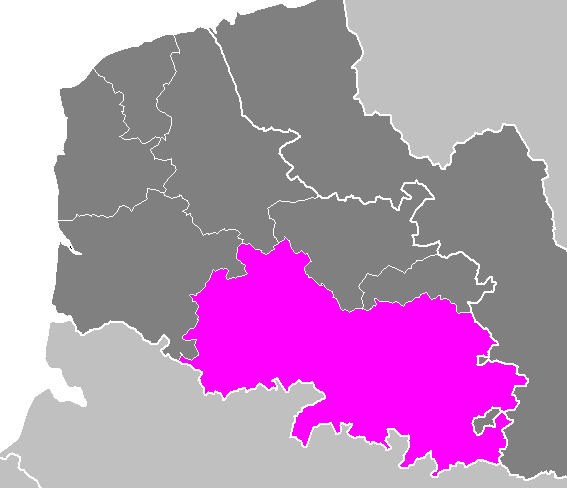
Administration and local government
Like other French communes, Beaulencourt is governed by an elected mayor and municipal council responsible for everyday services, local planning and civil registrations. It participates in intercommunal cooperation and interacts with the wider department administration for education, roads and social services. This tiered system links village matters to departmental and regional policies.
Geography and landscape
The commune sits in a predominantly rural landscape typical of Pas-de-Calais: open fields, small lanes and scattered farms. Agricultural activity shapes the local environment, and the village provides a focal point of housing and communal buildings. Transport connections are generally regional roads leading to larger market towns and urban centers in the department.
History and development
Beaulencourt’s origins mirror many settlements in northern France, growing from medieval agricultural holdings and evolving through centuries of local life. The wider Pas-de-Calais area experienced major social and economic changes over time, and the twentieth century brought profound upheavals to the region; traces of that history are commonly reflected in local memorials and buildings.
Local life and notable features
- Typical communal institutions: the town hall (mairie), a parish church and often a war memorial.
- Economy centered on agriculture, small businesses and services serving residents and nearby rural areas.
- Cultural life frequently organized around seasonal events, local associations and communal traditions.
The place-name Beaulencourt likely evokes a descriptive origin — combining elements meaning "beautiful" and a term for a farmstead or enclosure — a common pattern in northern French toponymy. Visitors and researchers interested in rural France often consult departmental archives or regional guides to learn more about the specific history and features of a particular commune.
Related articles
Author
AlegsaOnline.com Beaulencourt (Pas-de-Calais) Leandro Alegsa
URL: https://en.alegsaonline.com/art/9883