
The Planets, Op. 32 — Gustav Holst's orchestral suite
A guide to Gustav Holst's seven-movement orchestral suite The Planets, Op. 32: its structure, instrumentation, premiere history, astrological inspiration, and lasting influence on concert and film music.
Overview
The Planets, Op. 32, is a seven-movement orchestral suite composed by the English musician Gustav Holst between 1914 and 1916. Rather than treating the planets in scientific terms, Holst based each movement on the astrological or mythic character traditionally associated with a planet — for example, conflict, peace or revelry. The work quickly became one of the most frequently played orchestral pieces of the 20th century and remains a staple of the concert repertoire.
Image gallery
10 Images




Structure and musical characteristics
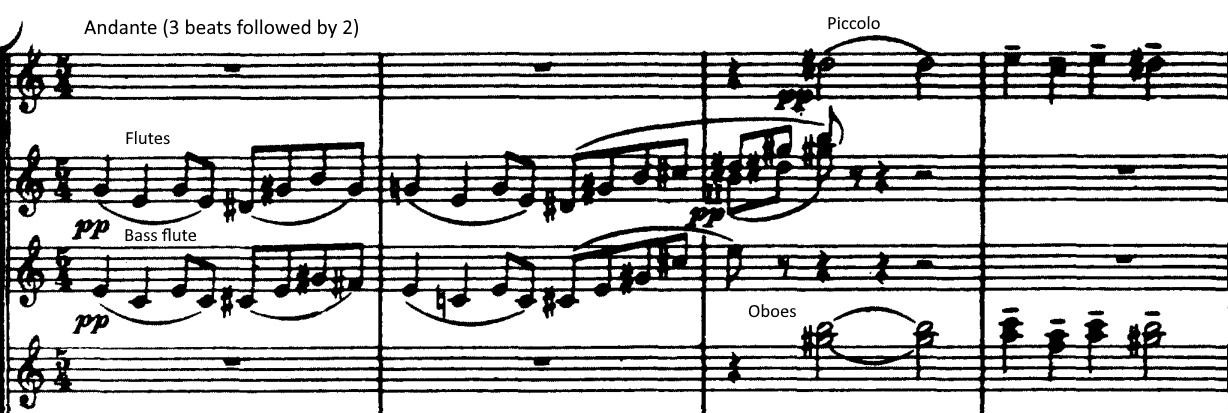
The suite consists of seven short tone poems that present contrasting moods and textures. Holst’s scoring calls for a large orchestra with expanded percussion and, in the final movement, a wordless female chorus. Its rhythmic drive, bold brass writing and novel combinations of instruments, including tuned percussion and offstage effects, give each movement a distinctive sonic profile. The movements are often described by their subtitles:
- Mars, the Bringer of War — ominous, relentless rhythms.
- Venus, the Bringer of Peace — slow, lyrical lines.
- Mercury, the Winged Messenger — fleet and light-footed.
- Jupiter, the Bringer of Jollity — expansive, dance-like themes.
- Saturn, the Bringer of Old Age — austere, processional character.
- Uranus, the Magician — quirky, scherzo-like gestures.
- Neptune, the Mystic — ethereal, ends with fading female chorus.
History and early performances
Holst worked on The Planets during the early years of World War I, a period that influenced the work’s darker moments as well as its contrasting episodes of serenity and humour. The suite was completed in 1916 but public performances were delayed by the war. An early private run-through took place on 29 September 1918 at the Queen's Hall in London, conducted by Adrian Boult. The first complete public performance was given on 10 October 1918 in Birmingham, during World War I, conducted by Appleby Matthews.
Influence, reception and uses
The Planets has had a broad cultural impact: it established Holst’s reputation, influenced later orchestral and film composers, and inspired numerous arrangements and recordings. Its clear, evocative character pieces make it popular with audiences and orchestras alike, and individual movements are frequently excerpted in broadcasts and compilations. Scholars and conductors have debated performance practice questions — such as tempo choices, the balance of chorus and orchestra in Neptune, and Holst’s articulation of astrological ideas — which continue to fuel new interpretations.
Notable distinctions and resources
Unlike program music that narrates a concrete story, Holst’s suite presents atmospheres and personalities linked to astrology and mythology rather than astronomy. Its innovative orchestration and memorable themes contributed to 20th-century orchestral language and to the development of cinematic scoring techniques. For further reading and scores one can consult editions and historical studies; general entries and library catalogues often label it as an orchestral work by a British composer.
Related articles
Author
AlegsaOnline.com The Planets, Op. 32 — Gustav Holst's orchestral suite Leandro Alegsa
URL: https://en.alegsaonline.com/art/98637
Sources
- scena.org : Scena-Notes-100-CDs
- divine-art.com : "'Sir Adrian Boult' on divine-art.com"