
The Mortal Storm (1940 film)
1940 drama by Frank Borzage, adapted from Phyllis Bottome's novel. An early Hollywood film that confronts Nazism by dramatizing how totalitarianism fractures ordinary communities and relationships.
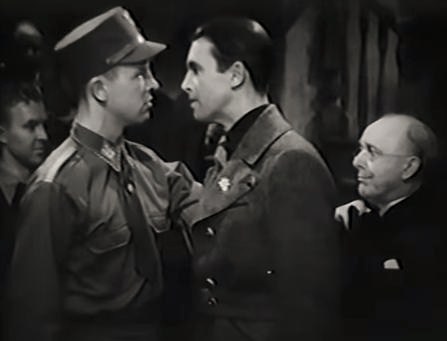
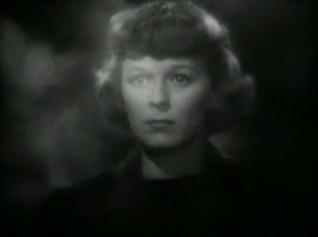
The Mortal Storm is a 1940 American drama directed by Frank Borzage, adapted from Phyllis Bottome's 1937 novel of the same name. Released by Metro-Goldwyn-Mayer, the film stars Margaret Sullavan with notable supporting performances by James Stewart, Robert Young, Robert Stack and Frank Morgan. Additional cast includes Irene Rich, Ward Bond and Esther Dale. The picture is commonly cited as one of the earlier mainstream American studio films to depict the rise of National Socialism and its effects on ordinary lives.
Image gallery
5 Images


Plot summary
The Mortal Storm centers on a small German town and a circle of friends and family whose bonds are strained and ultimately broken as Nazi ideology spreads. Rather than following military events or high‑level politics, the film dramatizes everyday consequences: ostracism, betrayal and the moral choices of individuals when confronted with coercion and propaganda. The narrative traces how previously stable community ties erode under political pressure, focusing on personal loyalty and conscience.
Themes and style
Director Frank Borzage uses intimate domestic settings and character-driven scenes to emphasize human costs rather than polemical rhetoric. The film combines melodramatic elements with a clear social message about intolerance and the dangers of conformity. Its humanistic perspective — sympathy for victims and attention to private courage — reflects Borzage's interest in romanticism and moral resistance in troubled times.
Cast and production notes
- Margaret Sullavan as the central figure whose moral stance anchors the story.
- James Stewart in a key supporting role early in his career.
- Robert Young and Robert Stack in important ensemble parts.
- Frank Morgan, Irene Rich, Ward Bond and Esther Dale complete the community portrait.
Produced and distributed by a major studio, the film reflects studio craftsmanship while prioritizing performance and character over spectacular effects. The screenplay adapts Bottome's novel to emphasize universal moral dilemmas rather than specific historical minutiae.
Release, reception and legacy
Upon release the film attracted attention for its outspoken depiction of Nazism and drew both praise and controversy. Contemporary critics often noted its moral clarity and the strength of the ensemble, while authorities in Germany and some Axis‑aligned countries prohibited its exhibition. In subsequent decades The Mortal Storm has been discussed in histories of Hollywood and wartime cinema as an example of how narrative film addressed political threats through the lens of private experience. It is studied for its early anti‑totalitarian stance, its portrayal of social fragmentation, and its place in Frank Borzage's body of work.
For further research see standard film histories, director biographies and archival studio material. The movie remains a reference point in discussions about how mainstream narrative cinema can respond to contemporary political dangers while foregrounding individual lives and moral choices.
Questions and answers
Q: Who directed The Mortal Storm?
A: The Mortal Storm was directed by Frank Borzage.
Q: What is The Mortal Storm about?
A: The Mortal Storm is a drama movie based on the 1937 novel of the same name by Phyllis Bottome.
Q: Who stars in The Mortal Storm?
A: The Mortal Storm stars Margaret Sullivan, James Stewart, Robert Young, Robert Stack, Frank Morgan, Irene Rich, Ward Bond, and Esther Dale.
Q: When was The Mortal Storm released?
A: The Mortal Storm was released in 1940.
Q: What was The Mortal Storm distributed by?
A: The Mortal Storm was distributed by Metro-Goldwyn-Mayer.
Q: Was The Mortal Storm based on a novel?
A: Yes, The Mortal Storm was based on the 1937 novel of the same name by Phyllis Bottome.
Q: Who were some of the main actors in The Mortal Storm?
A: Some of the main actors in The Mortal Storm include Margaret Sullivan, James Stewart, Robert Young, Robert Stack, Frank Morgan, Irene Rich, Ward Bond, and Esther Dale.
Related articles
Author
AlegsaOnline.com The Mortal Storm (1940 film) Leandro Alegsa
URL: https://en.alegsaonline.com/art/98485