
The Mummy (1932 film)
The Mummy (1932) is a Universal horror film directed by Karl Freund, starring Boris Karloff. A mood-driven tale of resurrection, reincarnation and obsession that shaped the cinematic mummy trope.
Overview
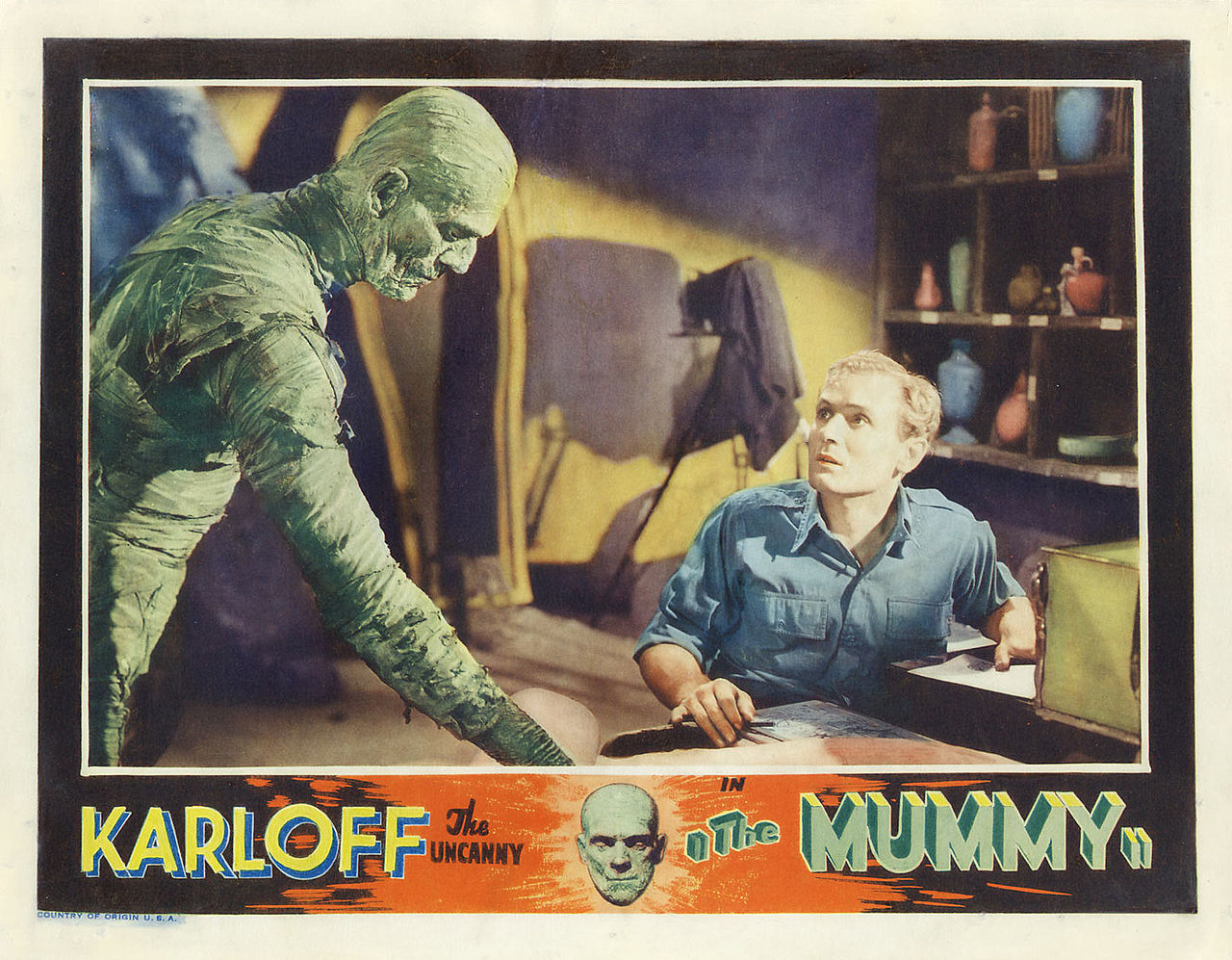
The Mummy is a 1932 horror film from Universal Pictures directed by Karl Freund and starring Boris Karloff. With a blend of atmosphere, romance and dread, the picture tells of an ancient Egyptian priest who is brought back to life and pursues a modern woman he believes to be the reincarnation of his long‑lost lover. The film followed Universal's early horror successes and is often discussed as part of the studio's classic monster cycle.
Image gallery
6 Images



Plot and themes
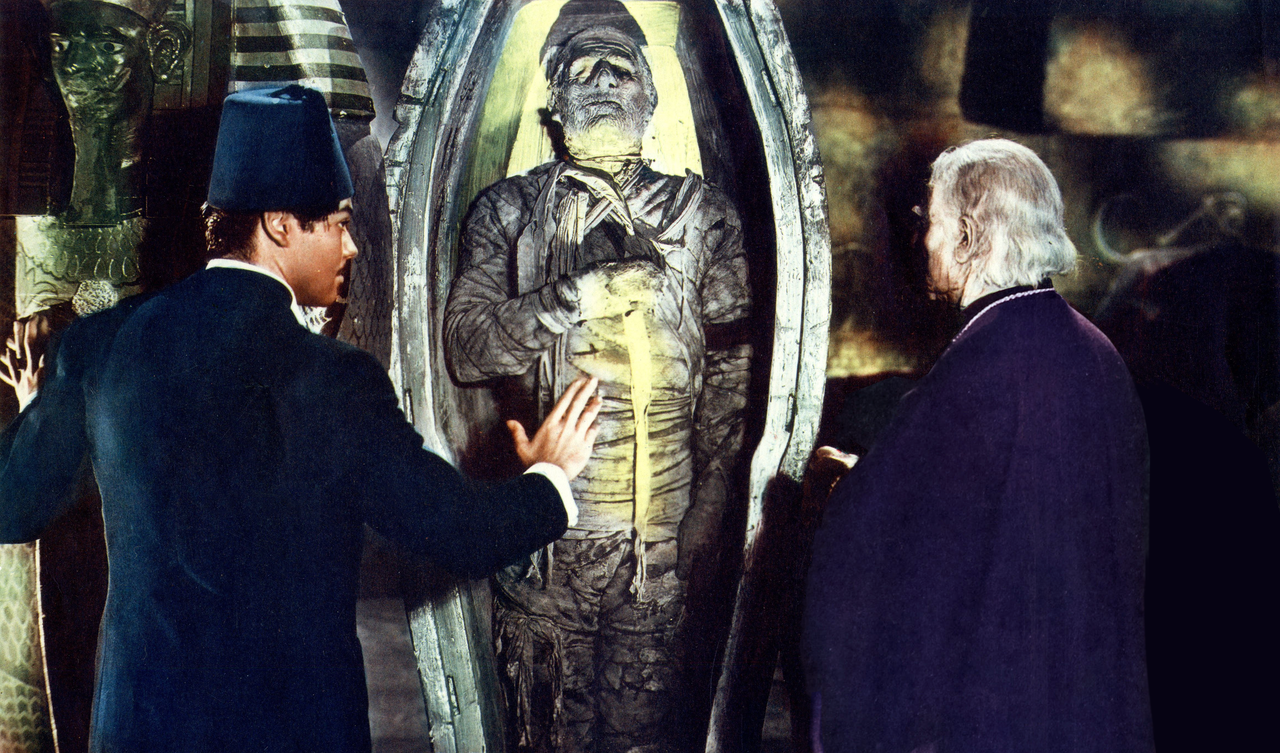
At its core the story mixes supernatural horror with the idea of reincarnation. An archaeological excavation unearths a buried body and an accompanying spell that allows a priest from antiquity to return. Rather than a straightforward monster movie, the narrative emphasizes obsession, memory and the clash between modern science and ancient ritual. The central emotional thrust is the undead figure's determination to reclaim an idealized love across millennia.
Cast, crew and production
- Director: Karl Freund, a cinematographer who moved into directing for this project.
- Star: Boris Karloff in the role of the resurrected Egyptian priest.
- Also featured: Zita Johann, David Manners and Edward Van Sloan among the principal cast.
- Makeup and design: The film's look contributed to the visual identity of the cinematic mummy; makeup and period costuming were important to the eerie, funerary aesthetic.
Production followed the success of early Universal horror pictures and aimed to rely more on mood and suggestion than on rapid action sequences.
Style and notable elements
The Mummy is characterized by slow, deliberate pacing, shadowed lighting and a focus on atmosphere. Rather than portraying the undead as a mindless brute, the film presents a calculating and willful figure with a romantic obsession, which set it apart from some other horror pictures of the period. Its use of Egyptian motifs reflected contemporary popular interest in archaeology and ancient cultures.
Legacy and influence
The movie helped establish many conventions associated with mummies in popular culture: the idea of resurrection through ancient rites, the romance of reincarnation, and the image of a mummified figure brought back to stalk the living. It influenced later adaptations and reinterpretations, from mid‑century horror remakes to modern action‑oriented takes. For background on production and studio context, see studio and production notes. For information on Boris Karloff's career and his performance, consult biographical sources. For critical readings about the film's themes of reincarnation and obsession, see scholarly analysis.
Notable distinctions
Unlike many later, faster‑paced adaptations, the 1932 film remains notable for its restrained horror, focus on psychological drive, and its role within Universal's early catalogue of monster films. Its influence is both cinematic—shaping subsequent portrayals of ancient undead figures—and cultural, contributing to lasting popular images of Egypt and the supernatural in twentieth‑century entertainment.
Related articles
Author
AlegsaOnline.com The Mummy (1932 film) Leandro Alegsa
URL: https://en.alegsaonline.com/art/98488