
James Stewart (American actor and military pilot)
James Stewart (1908–1997) was a celebrated American actor known for his Everyman screen persona, classic films with Capra and Hitchcock, and service as a military aviator. He won major awards and long-lasting acclaim.
James Maitland Stewart (1908–1997) was an American film and stage actor whose easygoing voice, naturalistic style, and moral sincerity made him one of the most recognizable figures of 20th century cinema. Over a career that spanned more than five decades he appeared in comedies, romantic dramas, westerns and thrillers, earning popular affection under the informal name "Jimmy". He combined a prolific screen presence with public service as a military pilot during World War II and continued to serve in the Air Force Reserve after the war.
Image gallery
10 Images


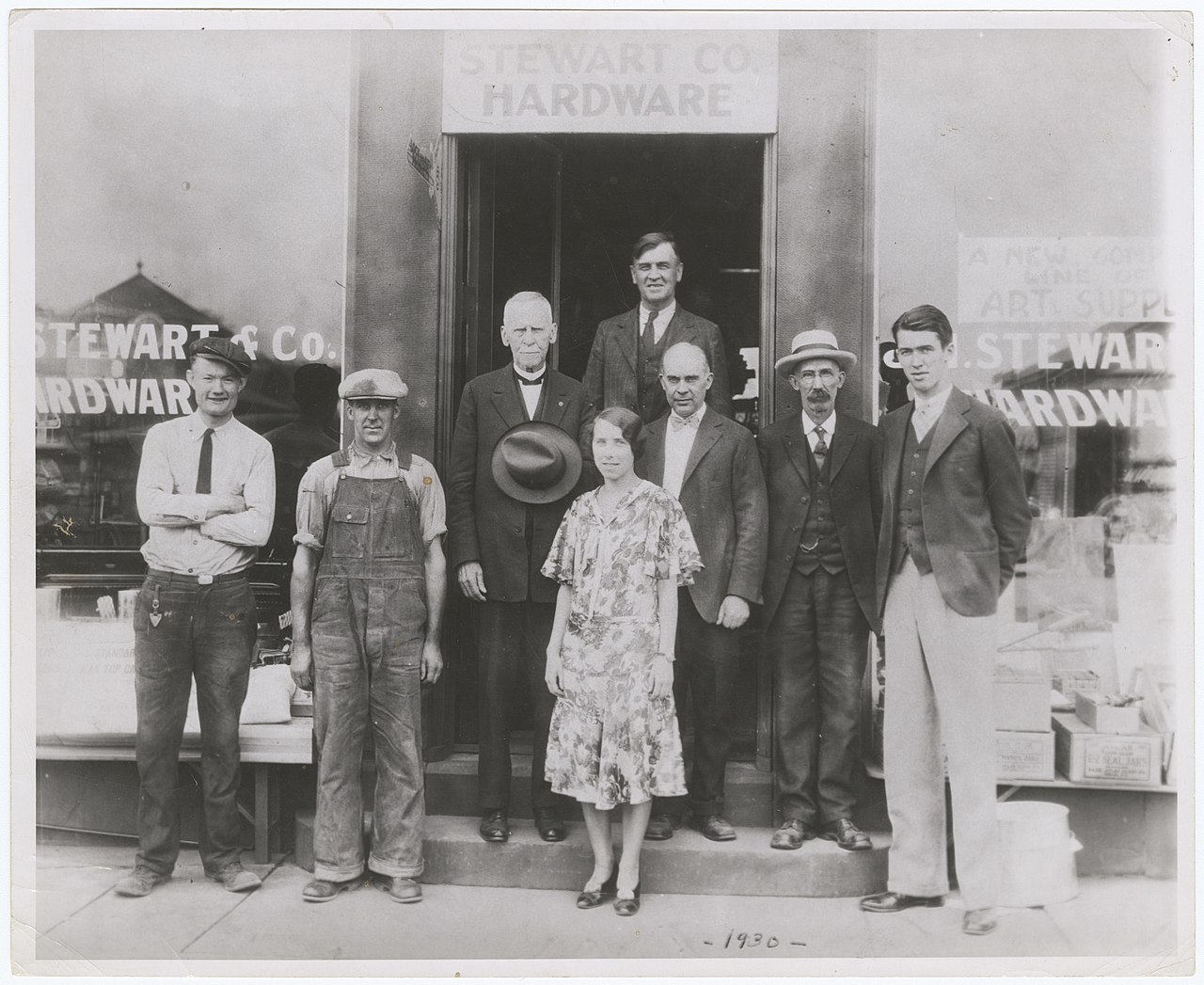


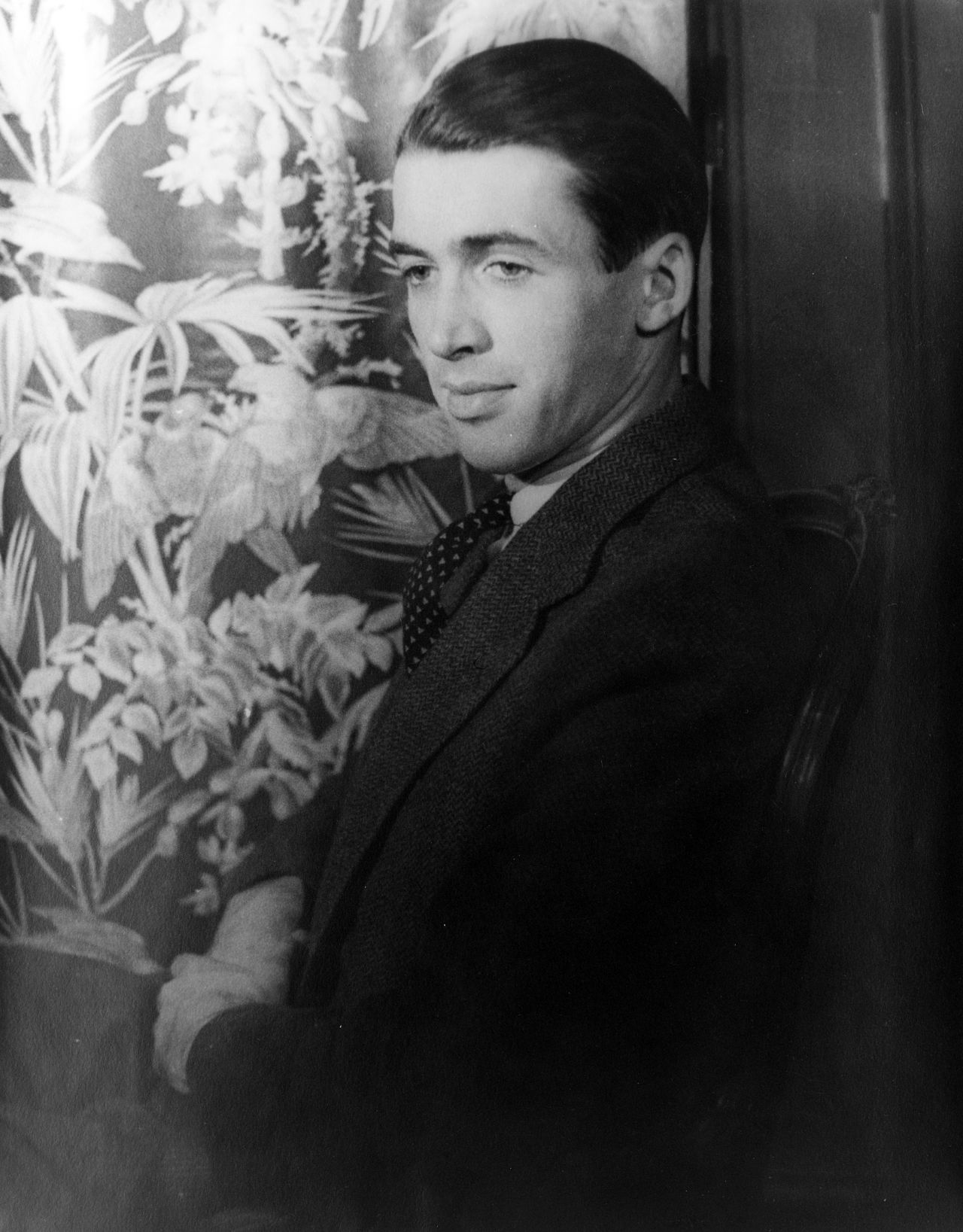


Artistic style and screen persona
Stewart's on-screen character was often described as an "Everyman": modest, humane, and vulnerable rather than heroic in the classical sense. His speech, a distinctive drawl and expressive pauses, and his ability to convey quiet interior life established a believable sincerity that directors used to anchor moral and emotional stories. That style made him adaptable to screwball comedies, romantic dramas, moral tales, and later psychologically intense roles in suspense films.
Career highlights and notable films
Stewart worked with leading directors of his era. He starred in several enduring classics that continue to be widely shown and discussed. Notable films include:
- Early and influential dramas and comedies that helped define his reputation.
- Collaborations with director Frank Capra that emphasized civic idealism and decency.
- Intense, modern thrillers made with Alfred Hitchcock in which he explored darker and more complex characters.
His longevity allowed him to move between genres—from sentimental family stories to tough westerns and psychological drama—showing a range that belied the familiar "everyman" label.
Military service and public life
During World War II Stewart volunteered for military service and trained as a pilot. He flew with distinction and remained active in the Air Force Reserve after the conflict, eventually attaining senior rank. His military career ran alongside his film work and contributed to his public image as both a popular entertainer and a civic-minded citizen.
Awards, reputation, and legacy
Critics and institutions have repeatedly recognized Stewart's contributions to film and culture. He received multiple Academy Award nominations, won a competitive Academy Award, and was later honored for lifetime achievement. Long after his active years he remained a reference point for scholarship and popular memory: film organizations and historians list him among the most important male screen stars of classic Hollywood. For example, an American Film Institute ranking placed him among the top male stars in the history of cinema, a distinction noted by the American Film Institute and reflected in curated lists such as the one found via AFI's greatest male stars.
Notable facts and continuing interest
James Stewart's films are still shown, studied, and restored. He is often cited for his unique vocal delivery and the believable vulnerability he brought to leading roles. Beyond box-office success, his cultural importance lies in how his film characters embodied shifting American ideals across mid-20th-century genres—civic responsibility, personal decency, and complicated moral choices. These themes keep his work relevant to new generations of viewers and students of film history.
Related articles
Author
AlegsaOnline.com James Stewart (American actor and military pilot) Leandro Alegsa
URL: https://en.alegsaonline.com/art/121374