
Beatboxing: vocal percussion, techniques, history and uses
Beatboxing is the art of producing percussive, rhythmic sounds using the mouth, lips, tongue and voice. It imitates drum machines, turntables and other instruments and has roots in hip‑hop and global vocal traditions.
Beatboxing is a form of vocal percussion in which a performer creates rhythmic and instrumental sounds using the mouth, lips, tongue, palate and voice. Practitioners aim to reproduce the timbres and patterns of drums, drum machines, turntables and other electronic or acoustic instruments. Though closely associated with hip‑hop culture, beatboxing appears in many musical contexts, from a cappella groups to pop recordings and experimental music.
Image gallery
1 Image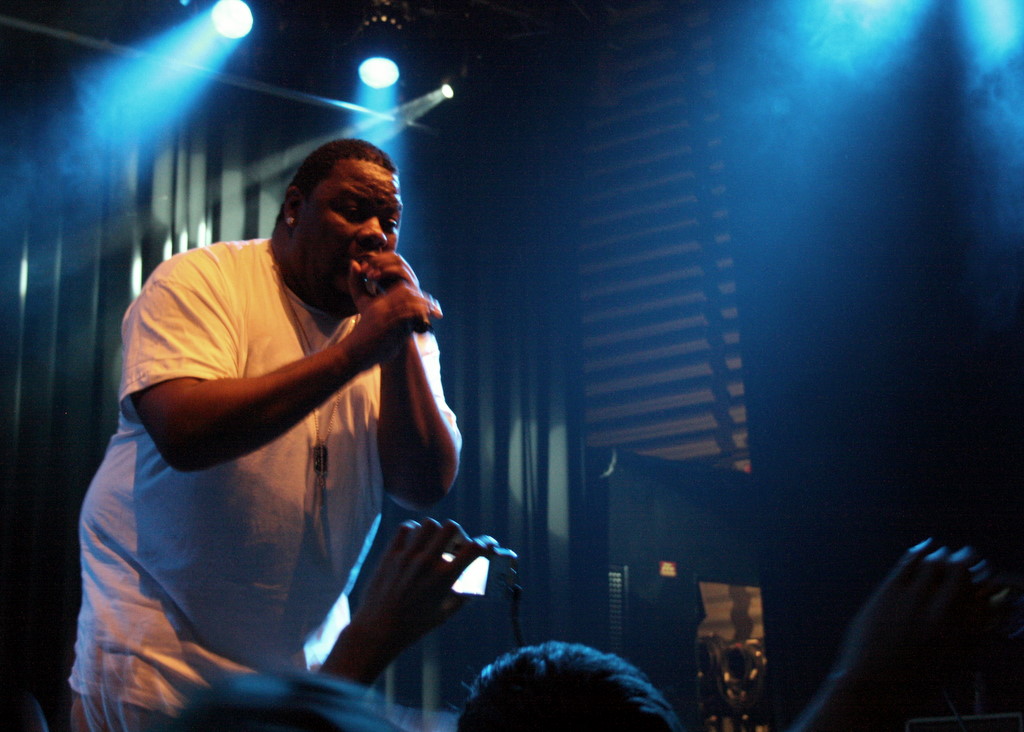
Techniques and characteristic sounds
Common elements include simulated kick drums, snares, hi‑hats, cymbals, bass tones and scratching effects. Techniques may involve outward and inward airflow, throat bass, lip rolls, tongue clicks, nasal tones, humming and vocalized melodies layered with percussive elements. Skilled beatboxers combine articulation, breath control and amplification to shape dynamics and texture.
Typical components
- Kick: low percussive burst produced with lips and plosive consonants.
- Snare: sharp, bright transient created by teeth, tongue or vocal tract snaps.
- Hi‑hat: short, crisp sibilant sounds often using /ts/ or /pf/ articulations.
- Bass and melody: throat bass or humming layered under beats for harmonic content.
Origins and development
Beatboxing emerged as an element of hip‑hop performance and street culture, where vocal imitation of drum machines and DJ techniques became a portable way to supply rhythm without equipment. Early popularizers brought the practice into recorded music and live shows, and since then it has been expanded by artists who introduced singing, looping pedals and electronic effects to create complex arrangements. Similar forms of mouth‑based percussion exist in many traditions worldwide and have influenced contemporary beatbox vocabulary.
Uses, communities and technology
Modern beatboxing circulates through live concerts, vocal ensembles, online tutorials and competitive events. Loop stations, microphones and effects processors allow solo performers to layer multiple parts in real time. Producers sometimes incorporate beatboxed sounds into studio tracks, and educators use beatboxing to teach rhythm and vocal technique. Online communities and workshops provide resources for learning and stylistic exchange.
Distinctions and considerations
Beatboxing is related to, but distinct from, other vocal percussion practices: some traditions center on ritual or classical vocalization rather than popular music imitation. Practitioners should be mindful of vocal health, since extended forceful articulation can strain the throat and lips. Learning typically progresses from simple kick‑snare‑hat patterns to advanced sound design and musical layering, and many resources are available for newcomers seeking structured guidance via tutorials and community classes (percussive techniques).
Related articles
Author
AlegsaOnline.com Beatboxing: vocal percussion, techniques, history and uses Leandro Alegsa
URL: https://en.alegsaonline.com/art/9847