
The Marble Faun (Nathaniel Hawthorne novel)
A late novel by Nathaniel Hawthorne (1860) set among artists and antiquities in Italy, exploring innocence, guilt, art, and moral transformation with Romantic symbolism and Gothic undertones.
The Marble Faun is a novel by Nathaniel Hawthorne first published in 1860. Set among the ruins, galleries, and studios of Italy, it follows a small circle of visitors and residents whose lives are altered by art, passion, and an ambiguous act of violence. The book is often described as one of Hawthorne's later romances and reflects his long-standing interest in sin, conscience, and the interpretive power of symbols.
Image gallery
2 Images
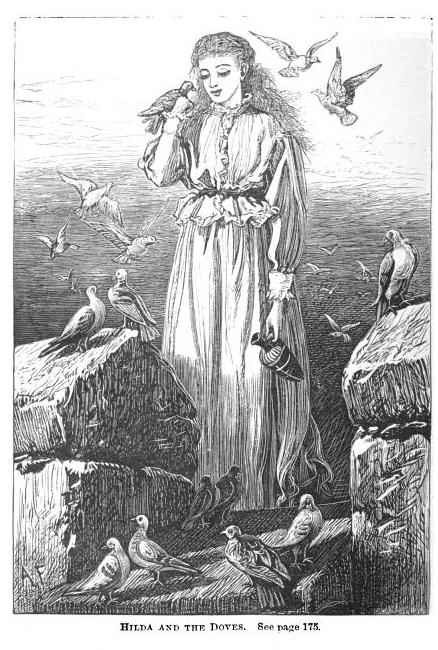
Overview
The narrative centers on four principal figures who represent differing moral and cultural temperaments. Through their interactions Hawthorne examines how classical art and Christian morality intersect, and how innocence can be complicated by experience. A pivotal incident—an event that leaves one character implicated in a violent crime—sets in motion moral questions about responsibility, confession, and transformation.
Characters and themes
- Principal figures: a gentle, naïve artist often likened to a classical faun; two American visitors—a scholarly man and a woman shaped by distinct pasts—and a mysterious companion with ties to European life.
- Main themes: the contrast between Old World and New World ethics, the nature of artistic creation, guilt and innocence, the influence of antiquity on modern sensibility, and the possibility of spiritual renewal.
Hawthorne uses the figure of the faun—borrowed from classical sculpture—to probe the boundary between animal impulse and human conscience. The novel balances descriptive passages about Italian art and landscape with intense moral and psychological reflection.
Historical context and reception
Written after Hawthorne's travels in Europe, the book draws on his impressions of Rome and other Italian sites and on contemporary interest in antiquity and Renaissance art. Contemporary readers and critics gave mixed responses: many praised Hawthorne's atmosphere and moral seriousness, while others found the plot episodic and some resolutions open to debate.
Style and legacy
Stylistically the work blends Romantic symbolism, Gothic moral inquiry, and reflective narrative. It has been studied for its exploration of artistic representation as moral metaphor and for the way Hawthorne stages cultural encounters between Americans and Europe. For readers interested in 19th‑century American fiction, it remains a notable, if sometimes enigmatic, late statement by one of the nation’s major novelists.
For more on the novel and its contexts, see The Marble Faun and related studies of Hawthorne’s life and travels.
Related articles
Author
AlegsaOnline.com The Marble Faun (Nathaniel Hawthorne novel) Leandro Alegsa
URL: https://en.alegsaonline.com/art/98414