
The Milk-Eyed Mender
Debut album by Joanna Newsom, released March 23, 2004 on Drag City. A harp-led indie-folk record produced by Noah Georgeson that introduced Newsom’s idiosyncratic voice, lyrical style, and chamber-folk arrangements.
Overview
The Milk-Eyed Mender is the debut studio album by singer-songwriter Joanna Newsom, released on March 23, 2004 through the independent label Drag City. The record announced Newsom's distinctive combination of composition and performance: primarily harp-based arrangements, an unusual soprano vocal timbre, and dense, poetic lyrics. Noah Georgeson is credited as producer of the sessions.
Image gallery
1 Image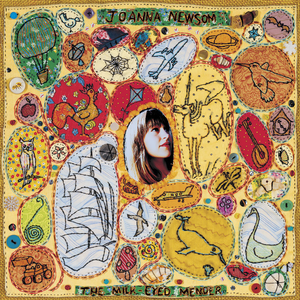
Background and recording
Newsom arrived on the indie scene with material developed from home performances and early recordings. The album captures a small-ensemble, handcrafted sound rather than large studio production. Aside from original compositions by Newsom, the collection includes a rendition of a traditional tune, "Three Little Babes," presented in keeping with the record’s intimate, acoustic palette.
Musical characteristics
The Milk-Eyed Mender is often described as part of the modern folk revival and the sometimes-labeled "baroque pop" or chamber-folk strands of indie music. Key traits include:
- Principal use of the harp as an accompanying and melodic instrument.
- A vocal delivery notable for its range and idiosyncratic phrasing.
- Concise arrangements that incorporate piano, light strings, and subtle percussion when needed.
- Rich, image-driven lyrics that favor archaic and literary language over straightforward storytelling.
Reception and legacy
On release, the album attracted attention from critics and listeners for its originality and technical ambition. It established Newsom as a singular voice within independent music and set the stage for her later, more expansive works. The album is frequently cited when discussing early-2000s folk-influenced indie music and has influenced subsequent artists exploring harp, unconventional vocal approaches, and literate songwriting.
Notable facts
The Milk-Eyed Mender functions as both an introduction to Newsom’s musical identity and a compact record of focused arrangements. Its modest production and distinctive aesthetic helped build a devoted audience and marked the start of a career that would continue to explore longer forms and orchestral textures on later releases.
Related articles
Author
AlegsaOnline.com The Milk-Eyed Mender Leandro Alegsa
URL: https://en.alegsaonline.com/art/98463