
The Mall, Lahore — historic central avenue of the city
The Mall in Lahore is a principal colonial-era avenue running through key civic, educational and cultural institutions. It links parks, government buildings and landmarks and remains central to the city's urban life.
The Mall is a principal and historic thoroughfare in the city of Lahore, in Pakistan. Created in the mid‑19th century, it organized major civic functions along a single, landscaped axis and continues to serve as one of Lahore’s most recognizable streets. Long sections of the road remain lined with trees, public gardens and facing façades from different eras, so The Mall functions as both a transport route and an urban promenade.
Image gallery
10 Images


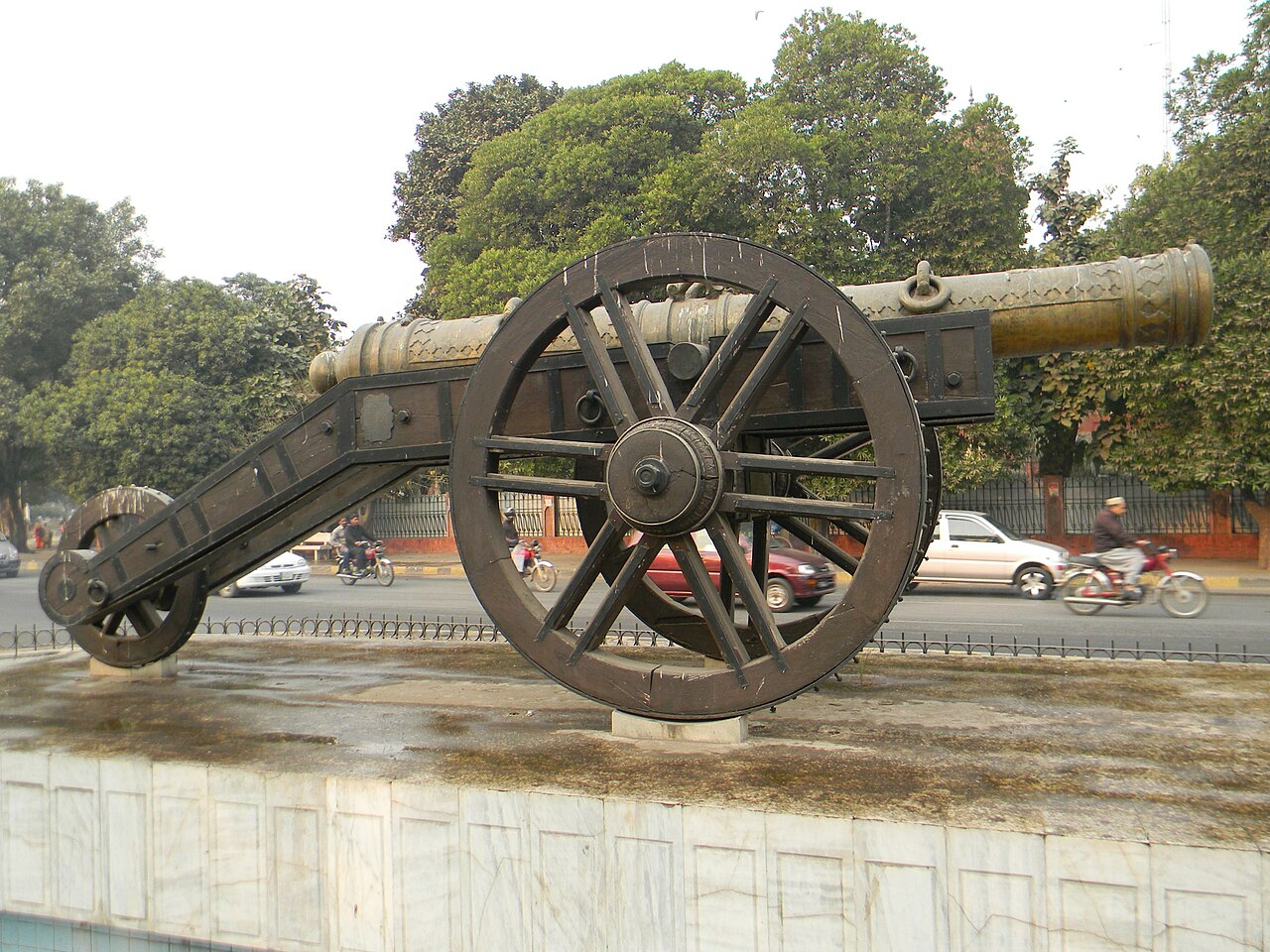


Origins and development
The Mall dates to the decades following the British consolidation of power in the Punjab. Under the British Raj, planners laid out broad avenues in many colonial cities; The Mall in Lahore was developed during the 1850s and 1860s as part of that pattern. Its design grouped administrative offices, educational institutions and leisure spaces so that government, colleges and clubs would occupy prominent positions along the same route. Over time the avenue acquired mature trees, distinctive colonial architecture and public monuments, even as modern buildings and traffic altered the streetscape.
Layout and principal sections
Locally, the avenue is commonly described in two stretches. The Lower Mall runs past the cluster of state and academic buildings near the city centre: it passes the provincial secretariat and historic universities. In the Upper Mall the character shifts toward larger green spaces and institutional compounds. The contrast between the two helps explain why the road remains a multifunctional spine for the city.
- Lower Mall highlights: the Punjab Government Secretariat; the University of the Punjab (University of the Punjab); Government College University (Government College University); and the Lahore Museum (Lahore Museum).
- Upper Mall highlights: the historic public garden originally named Lawrence Gardens (now Bagh‑i‑Jinnah), Lahore Zoo and prominent private schools and clubs such as Aitchison College (Aitchison College), the Governor’s House and several social clubs.
Functions and significance
The Mall concentrates a wide range of civic functions: educational campuses, museums, government offices, cultural institutions and recreational grounds all lie within walking distance along or near the avenue. For residents and visitors it provides a direct route between different parts of central Lahore while also offering a series of public places where official ceremonies, festivals, protests and everyday leisure take place.
Conservation, change and urban context
As Lahore has grown, The Mall has been both preserved for its historic buildings and adapted to contemporary needs. Some colonial structures have been conserved and repurposed; others have faced pressures from development or traffic. Municipal efforts and heritage groups have periodically proposed measures to protect tree lines, improve pedestrian access and maintain the architectural character that gives The Mall its distinctive identity. Smaller streets and lanes feed into the avenue, making it an important transit corridor as well as a cultural axis.
Notable facts and distinctions
The Mall is notable for combining green, civic and institutional spaces in one continuous route. It illustrates how colonial urban planning patterns were applied in South Asia and how those patterns were integrated into post‑colonial civic life. Today it remains a central address for many of Lahore’s oldest and most influential institutions and continues to be a convenient way to experience the city’s layered history, public architecture and civic functions.
Related articles
Author
AlegsaOnline.com The Mall, Lahore — historic central avenue of the city Leandro Alegsa
URL: https://en.alegsaonline.com/art/98401