
The Lion King (1994) — Disney animated film and cultural phenomenon
1994 Walt Disney animated feature about a lion prince, acclaimed for its music, visuals and themes; spawned a long-running stage musical and a 2019 photoreal remake.
Overview
The Lion King is a 1994 animated feature produced by Walt Disney that follows the coming-of-age story of a young lion prince who must accept his responsibilities in the "circle of life." Released in 1994, the film was dedicated to former company president Frank Wells and represented one of Disney's major successes of the era. It was notable for being the first full-length Disney animated picture to feature an all-animal principal cast since Bambi, and for blending traditional hand-drawn animation with computer-assisted techniques.
Image gallery
10 Images





Production, creative team and music
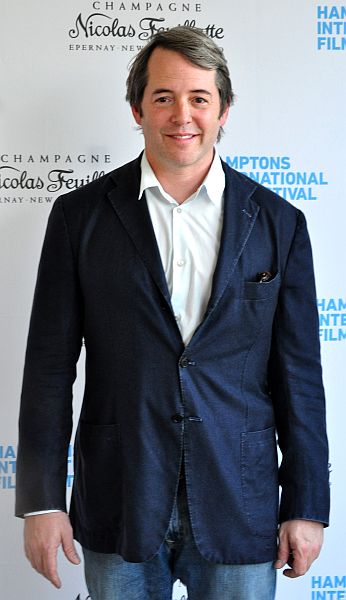
Directors and animators combined classical storytelling with new technologies to stage dramatic sequences such as the wildebeest stampede. The principal cast included established performers like Matthew Broderick, Nathan Lane, James Earl Jones, Jeremy Irons, Whoopi Goldberg, Cheech Marin, Rowan Atkinson and Jonathan Taylor Thomas. Musically, the film featured songs composed by Elton John with lyrics by Tim Rice, and a dramatic score that contributed to its emotional impact. The soundtrack success was a major factor in the film's popularity and awards recognition.
Plot, themes and characteristics
At its core the story tracks a young lion's journey from carefree youth to reluctant heir and finally to responsible ruler. Themes include loss and redemption, the responsibilities of leadership, family dynamics, and the interdependence of life often summarized by the phrase "circle of life." Visually, the movie juxtaposes sweeping savanna vistas and intimate character animation, and it uses selective computer animation to enhance scale and motion.
Reception and legacy
On release the film achieved major box-office success and broad popular acclaim. It earned numerous awards for its music and score, and has been recognized as one of the most successful animated films of its decade. Over time it has become a fixture of popular culture, remembered for its characters, songs and memorable scenes. The property has remained commercially and culturally active, returning to cinemas in special releases and expanding through other media.
Stage adaptation, remakes and cultural impact
The Lion King was adapted into an acclaimed stage musical that opened on Broadway in 1997 and later became a landmark production in London and on touring stages worldwide. The theatrical version is known for inventive costume and puppet design and has won multiple awards. In 2019 a photorealistic computer-animated reinterpretation was released, introducing the story to a new generation and prompting renewed discussion about adaptation and visual style.
Notable facts and further reading
- The film's combination of hand-drawn and computer-based animation was a prominent example of late 20th-century studio technique (animation techniques).
- It stood among the highest-grossing films worldwide in its release year, and later crossed the billion-dollar mark in lifetime grosses (box office).
- The stage musical opened in New York City on November 13, 1997, and has since become one of the most successful productions to transfer between Broadway and the West End (stage musical, New York, London).
- The film's popular songs include award-winning numbers that helped extend its presence beyond the screen (musical, lyrics).
- Key contributors and related references: production company (film), cast bios (voice acting), awards and honors (awards), and information on the 2019 remake (remake, 2019 release).
For readers seeking specific credits, production histories, or scholarly analysis, consult official studio materials and comprehensive reference works. Additional resources and archival material are available through authorized databases and collections (context, domestic ranking, animated milestones, performers, royalty, supporting cast, voice credits, international editions, youth performers, lead voices, ensemble).
Overall, The Lion King remains a widely known and frequently referenced example of late 20th-century animated filmmaking, notable for its storytelling, music and enduring influence on both film and stage.
Questions and answers
Q: What is The Lion King?
A: The Lion King is an animated movie made by Walt Disney in 1994. It is about a young lion prince who learns about his role as prince and in the circle of life.
Q: Who was the president of The Walt Disney Company when the movie was released?
A: Frank Wells was the president of The Walt Disney Company when the movie was released. He died shortly before it came out.
Q: Who provided voice acting for the movie?
A: Matthew Broderick, Nathan Lane, James Earl Jones, Jeremy Irons, Whoopi Goldberg, Cheech Marin, Rowan Atkinson and Jonathan Taylor Thomas provided voice acting for the movie.
Q: Who wrote the music and lyrics for The Lion King?
A: Elton John wrote the music for the songs and Tim Rice wrote the lyrics.
Q: How successful was The Lion King when it first came out?
A: When it first came out, it was very successful worldwide and behind Forrest Gump as most successful in United States that year. It also became one of highest grossing animated feature movies of all time until Finding Nemo. As of February 2022[update], it has earned over 1 billion dollars worldwide.
Q: What other forms did The Lion King take after its release?
A: After its release, a stage musical version opened on November 13th 1997 in New York City which had great success across many countries including United Kingdom where it became one of biggest shows there. In 2019 a computer animated remake was also released.
Related articles
Author
AlegsaOnline.com The Lion King (1994) — Disney animated film and cultural phenomenon Leandro Alegsa
URL: https://en.alegsaonline.com/art/98354
Sources
- bbfc.co.uk : "The Lion King (U)"
- boxofficemojo.com : "The Lion King"
- imdb.com : "All-Time Worldwide Box Office"
- imdb.com : "Academy Awards, USA: 1995"
- goldenglobes.org : "SEARCH - Lion King, The"
- annieawards.org : "Legacy: 22nd Annual Annie Award Nominees and Winners (1994)"
- imdb.com : "Academy of Science Fiction, Fantasy & Horror Films, USA: 1995"
- imdb.com : "BAFTA Awards: 1995"
- imdb.com : "BMI Film & TV Awards: 1995"
- imdb.com : "Grammy Awards: 1995"
- imdb.com : "MTV Movie Awards: 1995"
- imdb.com : "Kids' Choice Awards, USA: 1995"
- pqasb.pqarchiver.com : "The Lion King/Kimba controversy"
- news.bbc.co.uk : "Disney settles Lion song. dispute"
- slantmagazine.com : "Film Comment Selects 2006"