
The Great Escape (1963 film)
1963 WWII prisoner-of-war escape film directed by John Sturges, featuring an ensemble cast led by Steve McQueen; a dramatized account of the mass breakout from Stalag Luft III with lasting cultural impact.
The Great Escape is a 1963 American war film that dramatizes an Allied prisoners' mass breakout from a German prisoner-of-war camp during World War II. Directed by John Sturges, the movie blends suspense, adventure and ensemble character drama, and it has become one of the best-known films about captivity and escape.
Image gallery
5 Images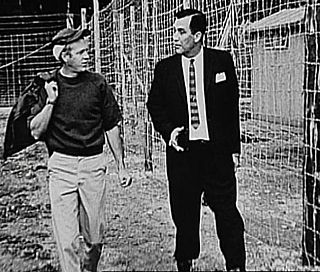
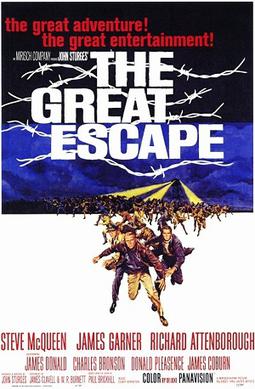


Overview
The plot follows allied airmen interned at Stalag Luft III, who organize an elaborate tunnelling operation to flee the camp. The narrative emphasizes planning, deception and teamwork, showing both the excitement of the escape and the grim realities that follow when many fugitives are hunted. The screenplay is based on accounts of wartime escapes and on popular non-fiction sources that inspired the film.
Cast and characters
The movie features an ensemble ensemble cast whose performances helped define their screen personas: Steve McQueen plays an independent-minded American, James Garner appears as a resourceful officer, Donald Pleasence portrays an anxious forger, Charles Bronson plays a tough, quiet scrounger, James Coburn is a cool and capable specialist, and Richard Attenborough leads as a determined senior officer. Their interactions provide much of the film's human focus.
Supporting roles and technical craftsmanship—sets that recreated underground tunnels, period uniforms, and a rousing musical score—help the film convey both scale and detail. The pacing alternates between methodical preparation and tense action sequences, giving audiences a clear sense of the risks involved.
Production, historical basis and accuracy
Produced during the early 1960s, the picture was shaped to suit cinematic drama rather than documentary precision. It drew on real events and memoirs about Allied POW escapes but compresses, reorders and fictionalizes episodes for narrative clarity. The real Stalag Luft III escape of 1944 inspired the film's central scheme, although many characters and incidents are composites or inventions for storytelling purposes.
Reception and legacy
Upon release the film received broadly positive reviews and strong box-office interest, and it grew into a popular classic in subsequent decades. Certain images — notably the motorcycle stunt and the long tunnel sequences — entered popular culture and influenced later portrayals of wartime escape. The ensemble cast helped raise the profiles of several actors and the film remains frequently cited in surveys of notable war movies.
Notable facts
- Famous set pieces include skillful tunnel construction and a memorable motorcycle sequence.
- The film uses a mix of invented characters and composite figures to represent a wide range of Allied nationalities and skills.
- Its score and production design are often praised for heightening suspense while preserving a period feel.
For readers seeking further detail about cast biographies, production notes and historical comparisons, consult dedicated film histories and archival material that document both the movie's making and the real events that inspired it.
Related articles
Author
AlegsaOnline.com The Great Escape (1963 film) Leandro Alegsa
URL: https://en.alegsaonline.com/art/98091