
The Greatest Show on Earth (1952 film)
1952 Cecil B. DeMille spectacle set in the Ringling Bros. and Barnum & Bailey Circus, starring Betty Hutton, Cornel Wilde and Charlton Heston; winner of the Academy Award for Best Picture.
Overview
The Greatest Show on Earth is a 1952 American dramatic spectacle set in the Ringling Bros. and Barnum & Bailey Circus. Produced, directed and narrated by Cecil B. DeMille, the film assembles an ensemble cast including Betty Hutton, Cornel Wilde and Charlton Heston. DeMille conceived the picture as a large-scale entertainment that blends romance, rivalry and the behind-the-scenes workings of a touring circus.
Image gallery
3 Images
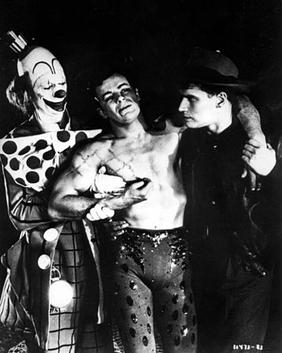

Plot and themes
The story follows the lives of performers, animal trainers and managers as they struggle with accidents, financial pressures and complex personal relationships while trying to keep the show on the road. Interwoven plotlines examine loyalty, ambition and the idea of the circus as a transient community that depends on spectacle and cooperation to survive.
Production and style
Shot in Technicolor, the film emphasizes elaborate production design, crowd scenes and practical stunts. DeMille employed real circus personnel alongside professional actors to enhance authenticity, and the filmmaking foregrounds the pageant quality of circus parades, acts and big-top performances. The director's narrative voice and taste for spectacle are evident in the film's pacing and visual flourishes.
Reception and awards
Upon release the picture attracted large audiences and was widely regarded as a popular success; contemporary accounts note its strong theatrical performance and broad appeal. It won the Academy Award for Best Picture and has often been discussed in studies of midcentury Hollywood entertainment and awards history. The film's commercial success is frequently described as a notable box office hit for its era.
Legacy and notable points
The movie is remembered for its depiction of circus life, its ensemble cast and its stylistic commitment to spectacle. Modern commentators tend to praise the film's production values while offering mixed assessments of its dramatic achievements; some see the Best Picture win as reflecting the film's popularity and showmanship as much as critical distinction. It remains of interest to students of film history and to enthusiasts of circus culture.
- Directed and narrated by Cecil B. DeMille.
- Features stars such as Betty Hutton, Cornel Wilde and Charlton Heston.
- Winner of the Academy Award for Best Picture.
- Often cited as a major commercial success and a box office hit of its time.
Related articles
Author
AlegsaOnline.com The Greatest Show on Earth (1952 film) Leandro Alegsa
URL: https://en.alegsaonline.com/art/98105