
The Dick Van Dyke Show
A landmark American sitcom (1961–1966) created by Carl Reiner, starring Dick Van Dyke and Mary Tyler Moore. Known for sharp writing, 158 half-hour episodes, 15 Emmy wins and wide influence on TV comedy.
Overview
The Dick Van Dyke Show is an American situation comedy that first aired on CBS on October 3, 1961 and ran through June 1, 1966. The series produced 158 half-hour episodes, all filmed in black-and-white, and combined a workplace comedy about television writing with domestic scenes of suburban family life. The program is often cited for its mix of graceful physical comedy, rapid-fire dialogue and character-driven humor.
Image gallery
10 Images


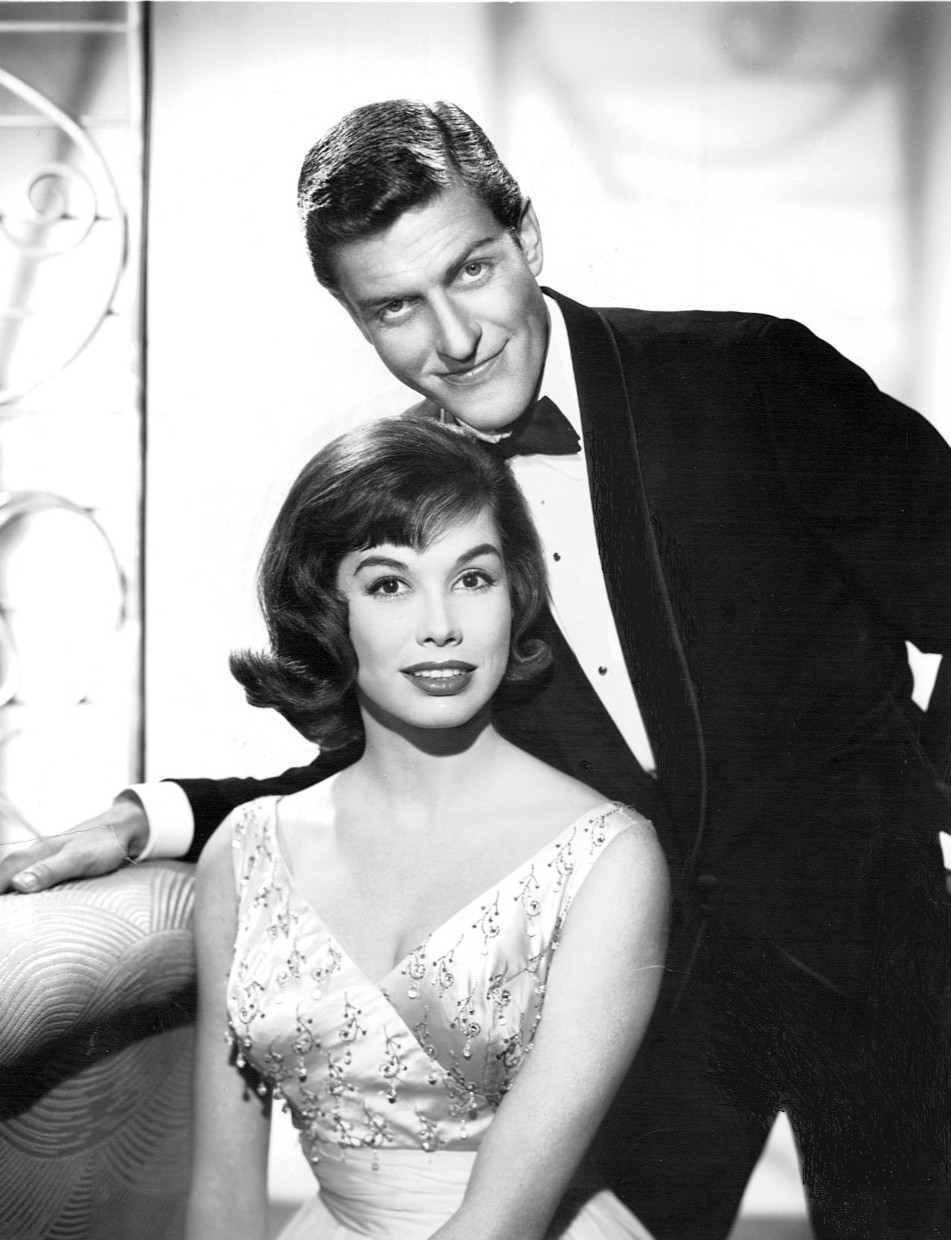


Format, setting and cast
The central character is Rob Petrie, a television comedy writer portrayed by Dick Van Dyke. Rob's wife, Laura, is played by Mary Tyler Moore, and their home life is a recurring anchor for the series. Rob's colleagues include Sally Rogers (played by Rose Marie) and Buddy Sorrell (Morey Amsterdam), who work with him on the writers' staff of a fictional program fronted by a temperamental star. The show alternates scenes at Rob and Laura's suburban apartment with sketches and sequences set in the writers' room, blending personal and professional comedy beats.
Creators and production
Carl Reiner is credited as the series' creator and principal creative force; he both created the show and contributed to its scripts while the production was overseen by experienced television producers. The series was produced under a staff that included Sheldon Leonard as an executive-level manager and Reiner as an originating writer. Reiner's background in radio, television and stand-up informed the program's insider view of show business and its satiric treatment of television itself.
Awards, episodes and recognition
The series won numerous honors, including multiple Emmy Awards. Two of the program's episodes—"Coast-to-Coast Big Mouth" and "It May Look Like a Walnut"—were later recognized on TV Guide's lists of greatest episodes. Contemporary reviewers praised the scripts for intelligence and economy, and performers were commended for both comic timing and warmth.
Legacy and influence
The show helped redefine the sitcom by weaving workplace dynamics into a domestic framework and by using a more cinematic, single-camera approach rather than a stage-bound, multi-camera format with a live audience. Its blend of verbal wit and physical performance influenced later series and helped launch the career of Mary Tyler Moore, who became a leading television figure in her own right. The program remains a reference point for discussions of TV comedy craft and the portrayal of creative professionals on screen.
Syndication, revivals and cultural references
After its original run the series entered syndication and has aired on various cable and nostalgia networks; for example, the show appeared on Nick at Nite and on TV Land in subsequent decades. Clips and motifs from the program have also been used in advertising and popular culture; one 1990s campaign repurposed archival footage to evoke the program's era. For further reading on format and contemporaries, see materials on classic television comedy and histories of broadcast networks such as CBS.
- Key creative figure: Carl Reiner
- Lead actors: Dick Van Dyke, Mary Tyler Moore
- Supporting cast: Rose Marie, Morey Amsterdam
- Original run: 1961–1966; total 158 episodes
- Honors: multiple Emmy Awards and TV Guide rankings
As a landmark of early 1960s American television, The Dick Van Dyke Show remains an often-cited example of how sharp writing, a talented ensemble and a fresh narrative mix can produce enduring comedy. Scholars and fans study its episode structure, character arcs and industry satire to understand mid‑century shifts in the form and business of television.
Related articles
Author
AlegsaOnline.com The Dick Van Dyke Show Leandro Alegsa
URL: https://en.alegsaonline.com/art/97878
Sources
- cbsnews.com : "TV Guide Names Top 50 Shows"
- thecabinrestaurant.net : "Bud Light NJ"