
The Fairly OddParents
Animated comedy about Timmy Turner and his fairy godparents Cosmo and Wanda. Created by Butch Hartman for Nickelodeon, it grew from late-1990s shorts into a long-running franchise with specials and planned revivals.
The Fairly OddParents is an American animated comedy series created by Butch Hartman and developed for Nickelodeon. It began as a series of short cartoons showcased in an animation anthology before premiering as a half-hour program in the early 2000s. The show centers on ten-year-old Timmy Turner, a neglected child who is secretly granted fairy godparents, Cosmo and Wanda, whose wish-granting powers drive the plots. Episodes typically follow Timmy making a wish to solve a problem; the wish then backfires or produces unexpected results, producing comic situations that play out under an in-universe rulebook known as "Da Rules." The series established a brisk, joke-dense style that mixes slapstick, satire and pop-culture parody, and it attracted viewers across age groups.
Image gallery
2 Images
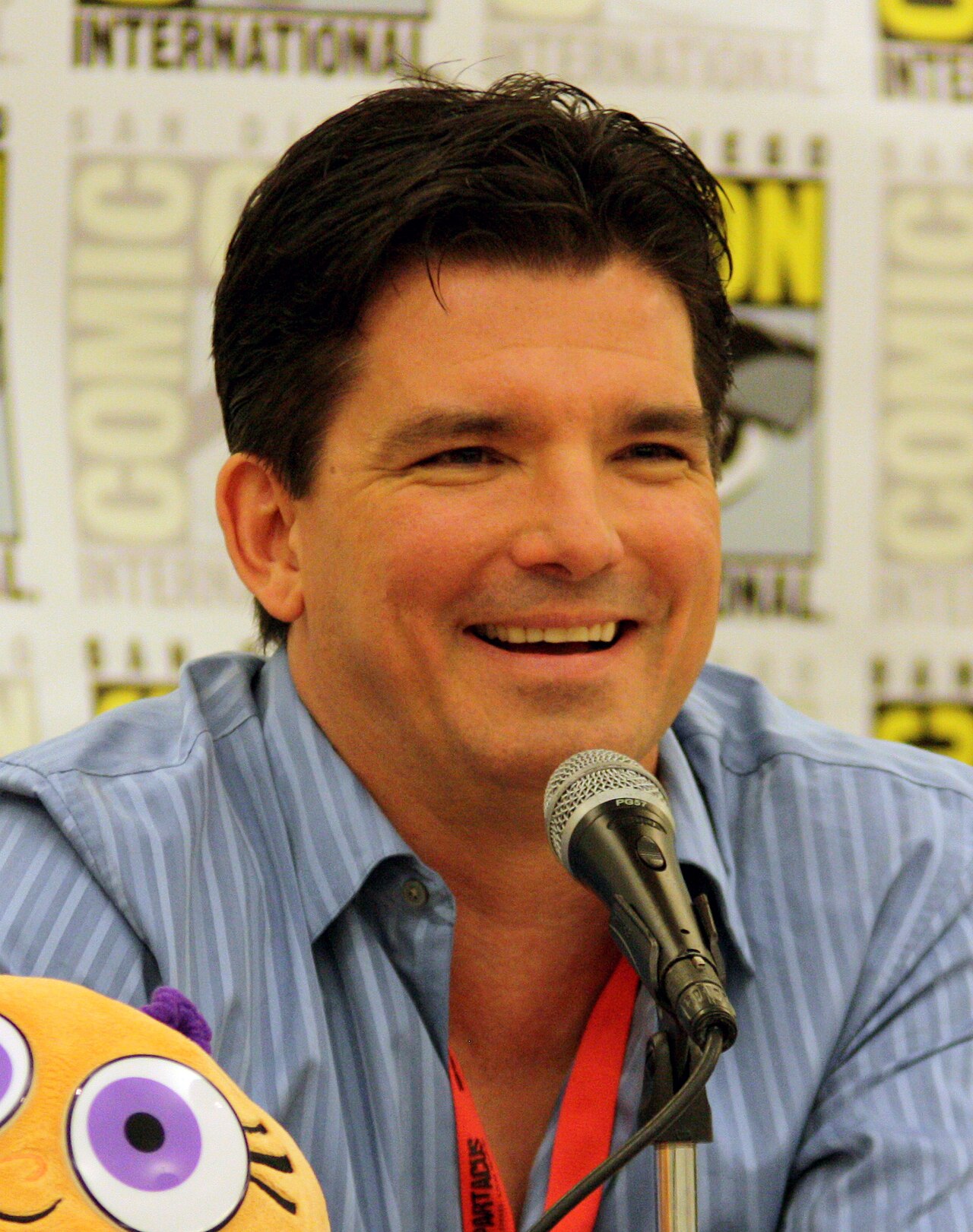
Premise and main characters
Timmy Turner is the protagonist around whom the show's narratives revolve. His fairy godparents, Cosmo and Wanda, are assigned to him to improve his life; their personalities—Cosmo's impulsiveness and Wanda's caution—create much of the comedy. Over time the core cast expanded to include recurring human characters such as Timmy's bullying babysitter, his parents, and school friends, as well as figures from the fairy world, including strict fairy authorities and other magical beings. A fairy baby, introduced later in the series, altered family dynamics and opened new story possibilities. The show plays with the tension between ordinary childhood problems and the surreal consequences of wish-based solutions.
Origins, production and broadcast history
The series evolved from short-form pilots shown in an animation showcase program, where creators could test concepts for network pickup. After the shorts proved popular, the concept was expanded into a full series produced for Nickelodeon. Over its run the program used a stable team of writers, storyboard artists and voice actors to maintain consistent characters and tone. It became one of Nickelodeon’s longer-running programs, airing across multiple seasons and spawning TV movies, specials and crossovers. The show concluded its original television run in the late 2010s after ten seasons; the network later announced a cancellation and the franchise has since been represented in syndication and streaming platforms.
Notable episodes, specials and crossovers
In addition to standard half-hour episodes, the franchise produced extended telefilms and multi-part specials that explored alternate realities, time travel and media parody. Several episodes are remembered for ambitious formats or for crossing over with other animated properties, blending styles and characters. These larger entries helped broaden the series’ audience and demonstrated how the premise could sustain longer, more experimental stories. Fans and researchers can find episode guides and creator commentary linked through official resources such as network pages and creator profiles.
Themes, style and cultural impact
The series balances child-focused fantasy with satirical takes on everyday life and authority figures, often delivering moral lessons about responsibility and unintended consequences. Visually, it favors bold designs, strong expressions and rapid visual gags, while its writing frequently employs meta-humor and references to contemporary media. During its run it influenced the comedic timing and tone of other children's animated comedies and produced a roster of memorable characters and recurring jokes that remain part of popular-culture references.
Legacy and subsequent developments
Following the end of its original run, The Fairly OddParents has continued in syndication and on digital platforms, maintaining a presence among viewers who grew up with the series. The franchise also inspired conversations about reboots and new adaptations; a live-action/animation hybrid revival was announced to be in development by the parent studio and streaming partner in early 2021. For official background, production notes and periodic updates, consult the creator’s and network’s resources: creator information, network pages, and historical anthology listings such as the original shorts showcase. Additional context on the fairy-myth elements used in the show can be found through general summaries of fairy lore and franchise notes (fairy). For announcements and press materials consult typical television network outlets and production press sources (network announcements, series overview).
- Core concept: wish-based plot engine governed by "Da Rules".
- Main figures: Timmy Turner, Cosmo, Wanda, later additions including a fairy child and recurring human characters.
- Formats: short-form pilots, half-hour episodes, TV movies, crossovers and specials.
- Legacy: long-running franchise with syndication, streaming presence and revived-format announcements.
Questions and answers
Q: When was The Fairly OddParents created?
A: The Fairly OddParents was created in 2001 by Butch Hartman for the Nickelodeon cable television network.
Q: What is The Fairly OddParents about?
A: The Fairly OddParents is about a ten-year-old boy named Timmy Turner who has fairy godparents, named Cosmo and Wanda, and a fairy godbrother named Poof. The fairies have the power to grant wishes to Timmy while still following "Da Rules", the fairy rule book.
Q: How long did The Fairly OddParents run for?
A: The Fairly OddParents was the fourth longest-running Nicktoons series, and it ended in 2017 with the half-hour episode "Hare Raiser / The Kale Patch Caper". The series was originally set to continue, but ended with the tenth season.
Q: Why was The Fairly OddParents cancelled by Nickelodeon?
A: The Fairly OddParents was cancelled by Nickelodeon in 2018. The reason for the cancellation is not stated in the text.
Q: What is the live-action-animation hybrid reboot of The Fairly OddParents?
A: In February 2021, a live-action-animation hybrid reboot of The Fairly OddParents was announced to be in development by Paramount+ and Nickelodeon Productions.
Q: What is the name of Timmy Turner's fairy godparents?
A: Timmy Turner's fairy godparents are named Cosmo and Wanda.
Q: What is the fairy rule book in The Fairly OddParents?
A: The fairy rule book in The Fairly OddParents is called "Da Rules". The fairies have to follow it while granting wishes to Timmy Turner.
Related articles
Author
AlegsaOnline.com The Fairly OddParents Leandro Alegsa
URL: https://en.alegsaonline.com/art/97948
Sources
- fernsehserien.de : fernsehserien.de/cosmo-und-wanda
- nelvana.com : nelvana.com