
The Boy Who Cried Wolf
Aesop's classic fable about a shepherd boy who lies about a wolf attack; explores trust, consequences of dishonesty, historical origins, variants and its role in moral education and culture.
Overview
"The Boy Who Cried Wolf" is a short, traditional fable commonly attributed to Aesop. It appears in many collections of moral stories and is listed as number 210 in the Perry Index. The tale is widely used to teach children about the consequences of lying and the value of credibility.
Image gallery
2 Images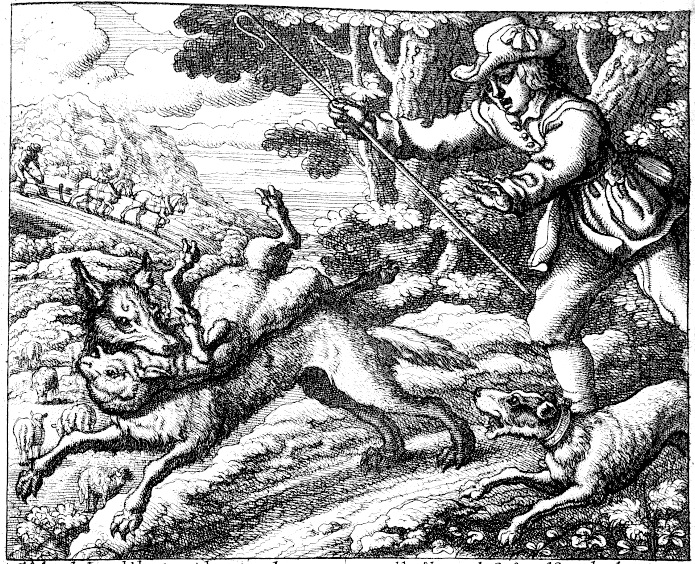

Narrative
The basic plot follows a young shepherd or herding boy who repeatedly cries that a wolf is attacking his flock, prompting villagers to run to his aid. Each time the alarm proves false and the villagers feel fooled. When a real wolf later appears and the boy calls for help, the villagers ignore him, assuming another trick; the flock is then harmed. The story is concise and structured to make the outcome and its lesson clear.
Themes and Moral
The principal moral warns that habitual lying damages trust: even truthful statements from a known liar may be disbelieved. Related themes include responsibility, the social cost of deception, and the importance of judgment when responding to appeals for help. Teachers and parents cite the fable to prompt discussion about honesty, reputation, and consequences.
Historical context and development
Rooted in ancient storytelling traditions, the fable dates back to classical antiquity and circulated in oral and written forms across Europe and the Near East. Variants of the plot appear in different cultures, reflecting local settings and occupational details. Scholars trace its literary presence through medieval manuscripts and later printed collections of fables that preserved the concise, memorable structure of the tale. For background on ancient sources, see materials associated with classical compilations and indexes such as the Perry Index: reference.
Variants, adaptations and cultural impact
Many versions modify characters or consequences: sometimes the flock is replaced by other vulnerable people or property; in some retellings the boy learns his lesson through repentance or community sanction. The story has been adapted into children's picture books, school primers, plays, cartoons and moral essays. Its title phrase, "to cry wolf," has entered English as an idiom meaning to raise a false alarm, and similar expressions exist in other languages.
Uses, examples and distinctions
Educators use the fable to illustrate ethics, logic and decision-making. The tale differs from fables that punish vanity or greed by concentrating on the social mechanics of trust. It is often taught alongside other Aesopic stories to contrast different moral outcomes. For a simple introductory retelling and resources for younger readers, see general fable collections and guides to pastoral occupations such as the role of a shepherd. For broader context about fable traditions, consult general fable studies: fable overview and further reading links: classic indexes.
- Key lesson: honesty preserves credibility.
- Common usage: "crying wolf" = sounding a false alarm.
- Notable fact: short, repeatable structure makes it durable in oral culture.
Related articles
Author
AlegsaOnline.com The Boy Who Cried Wolf Leandro Alegsa
URL: https://en.alegsaonline.com/art/97677
Sources
- classics.mit.edu : "Aesop's Fables"