
The Caine Mutiny
A concise encyclopedia entry on Herman Wouk’s novel The Caine Mutiny: its plot premise, main themes, characters, stage and film adaptations, and cultural legacy.
Overview
The Caine Mutiny is a wartime novel first published in 1951 by Herman Wouk. It won the Pulitzer Prize and became one of the most widely read American books about leadership and moral responsibility under pressure. The story follows officers and enlisted men assigned to a small Navy ship during World War II and examines how stress, personality, and judgment shape command decisions.
Image gallery
5 Images


Setting and narrative
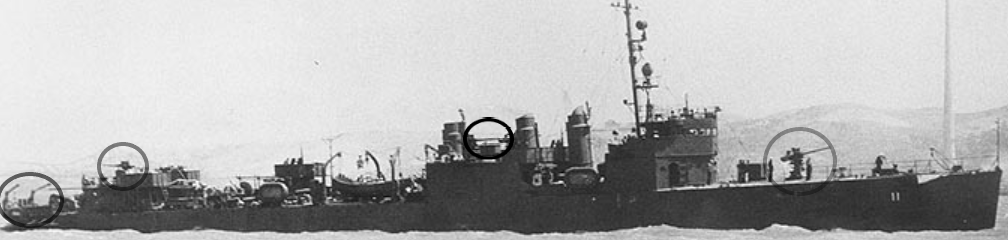
The action takes place aboard a U.S. Navy vessel and traces the daily routines, tensions, and crises that arise when the ship’s captain displays unusual behavior. Tensions culminate in the relief of the captain by subordinate officers and a subsequent legal reckoning. The novel blends close observations of naval life with courtroom drama when the removal of command leads to the court-martial of those involved.
Characters and themes
Key figures include the ship’s commanding officer—often remembered for his obsessive conduct—and the young officers whose loyalties and fears are tested. The work probes themes of authority and obedience, the limits of civilian judgment in wartime, the psychology of leadership, and the ambiguous line between necessary action and unlawful mutiny. It also explores friendship, ambition, and the narrator’s retrospective view of events.
Adaptations
- The novel was adapted for the stage by Wouk as The Caine Mutiny Court-Martial, which isolates the trial and its moral questions for dramatic focus. Prominent actors such as Henry Fonda have performed roles in stage versions.
- A major film adaptation followed in the 1950s and brought the captain’s crisis to a wide audience; the role of the captain was famously played by Humphrey Bogart.
Reception and legacy
Since its publication, the novel and its dramatizations have prompted discussion in literary, legal, and military circles about command responsibility and the ethics of relieving an unfit superior. It remains in print and is frequently cited in studies of leadership, military law, and American fiction of the mid-20th century. For readers seeking the original narrative, see The Caine Mutiny (novel); for context on the author as an American author, consult biographical sources.
Questions and answers
Q: What is the title of Herman Wouk's Pulitzer Prize winning novel?
A: The Caine Mutiny.
Q: Who wrote a play based on the trial from the book?
A: Herman Wouk wrote a play called The Caine Mutiny Court Martial.
Q: Who starred in this play?
A: Henry Fonda starred in the play.
Q: When was there a movie based on the book?
A: In 1954, there was a movie based on the book.
Q: Who played Queeg in this movie adaptation?
A: Humphrey Bogart played Queeg in the movie adaptation.
Q: Was Herman Wouk an American author?
A: Yes, Herman Wouk was an American Jewish author.
Q: What year did he win his Pulitzer Prize for The Caine Mutiny?
A; He won his Pulitzer Prize for The Caine Mutiny in 1951.
Related articles
Author
AlegsaOnline.com The Caine Mutiny Leandro Alegsa
URL: https://en.alegsaonline.com/art/97714