
The Abyss (1989 film) — James Cameron’s underwater science fiction
1989 science-fiction adventure film directed by James Cameron about an underwater recovery crew who encounter mysterious deep-ocean life. Noted for pioneering visual effects and a longer director's cut.
Overview
The Abyss is a 1989 American science fiction film that blends adventure, suspense and speculative ideas about contact beneath the sea. Directed by James Cameron and produced by Gale Anne Hurd, the picture follows a civilian oil-rig crew and a military recovery team as they attempt to salvage a sunken submarine and confront an extraordinary intelligence in the ocean depths. The project became notable for its ambitious underwater production, long shoot schedule and breakthrough visual effects work.
Image gallery
2 Images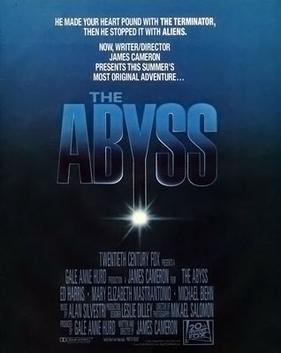

Plot and characters
The story centers on Bud Brigman, the foreman of an offshore drilling platform, and his estranged wife Lindsey, an engineer, who are drawn into a tense recovery mission when an American nuclear submarine sinks under mysterious circumstances. A Navy dive team joins the platform crew; cold-war rivalries and claustrophobic conditions feed interpersonal conflict while the divers discover a nonhuman presence in the abyssal environment. The narrative explores themes of fear, cooperation and communication across unknown forms of intelligence.
Principal cast and roles
- Ed Harris as the platform foreman and central protagonist.
- Mary Elizabeth Mastrantonio as the platform’s lead engineer and Bud’s estranged wife.
- Michael Biehn as a driven military diver whose stress escalates the human drama.
Production and technical achievements
Filming involved extensive underwater sequences, specialized tanks and safety procedures to allow actors and crew to work submerged for extended periods. The shoot was physically demanding and required new approaches to lighting, camera protection and actor training. Effects work combined practical techniques and pioneering computer graphics: a digitally rendered water-based entity created one of the early examples of a photoreal computer-generated character. This blend of practical and digital methods was an important step in later visual-effects development.
Versions, release and reception
The Abyss premiered in August 1989 and was released in more than one version: a theatrical cut and a longer special or director’s edition that restores additional character scenes and an expanded climax. Critics responded favorably to the film’s atmosphere, technical ambition and emotional core; audiences gave mixed reactions to its pacing and genre shifts. It has maintained appreciation among fans for its craft and for Cameron’s underwater filmmaking.
Awards, nominations and legacy
The film earned important industry recognition, winning the Academy Award for Best Visual Effects and receiving nominations in several technical categories including Art Direction/Set Decoration, Cinematography and sound. Review aggregators and retrospectives have highlighted the film’s achievements: it retains a strong approval rating on sites such as Rotten Tomatoes and is frequently cited in discussions of advances in digital effects and underwater production techniques. Contemporary commentary often emphasizes how the film mixes Cold War anxieties with a hopeful message about understanding unfamiliar intelligence.
Notable facts and further reading
- The project combined studio and location work and required lengthy planning for dive safety and set construction.
- Some crew members who prepared extended versions were credited for additional production roles, including oversight of later editions (director and editing collaborators are often discussed in coverage).
- For more on the film’s making and critical history, see contemporary reviews and behind-the-scenes features referenced by major film resources and archival interviews with the cast and crew (adventure, oil platform, critical response, reviews, science fiction context, director’s approach).
Today The Abyss is remembered for its technical daring and for contributing to the evolution of effects-driven storytelling in science fiction cinema. It remains studied by filmmakers and visual-effects artists as an early example of how practical and digital methods can be combined to portray environments and entities that are difficult or impossible to stage practically.
Questions and answers
Q: Who directed the movie The Abyss?
A: James Cameron directed the movie The Abyss.
Q: Who produced The Abyss?
A: The movie was produced by Gale Anne Hurd and Van Ling for the special edition version.
Q: When was The Abyss released?
A: The Abyss was released on August 9, 1989.
Q: What is the movie about?
A: The movie is about a US search and recovery team who work with an oil platform crew to recover a sunken American submarine in the Caribbean. They discover a new and mysterious species while deep in the ocean.
Q: How did the movie perform with critics?
A: The movie received positive reviews from critics and has a 89% rating on Rotten Tomatoes.
Q: Did The Abyss win any awards?
A: Yes, The Abyss won an Academy Award in the category of Best Visual Effects in 1990. It was also nominated in the categories of Best Art Direction/Set Decoration, Best Cinematography, and Best Sound.
Q: What category did The Abyss win at the Academy Awards?
A: The Abyss won the Academy Award in the category of Best Visual Effects in 1990.
Related articles
Author
AlegsaOnline.com The Abyss (1989 film) — James Cameron’s underwater science fiction Leandro Alegsa
URL: https://en.alegsaonline.com/art/97457
Sources
- the-numbers.com : "The Abyss - Box Office Data"
- boxofficemojo.com : "The Abyss"
- rottentomatoes.com : "The Abyss"
- oscars.org : "The 62nd Academy Awards (1990) Nominees and Winners"