
November
November is the eleventh month of the Gregorian calendar with 30 days; known for autumn in the north, spring in the south, and observances such as Remembrance Day and Thanksgiving.
Overview
November is the eleventh month of the year in the Gregorian calendar. It lies between October and December and contains 30 days. In the Northern Hemisphere it is typically an autumn month; in the Southern Hemisphere it corresponds to late spring. The month's name derives from the Latin word novem, meaning "nine".
Image gallery
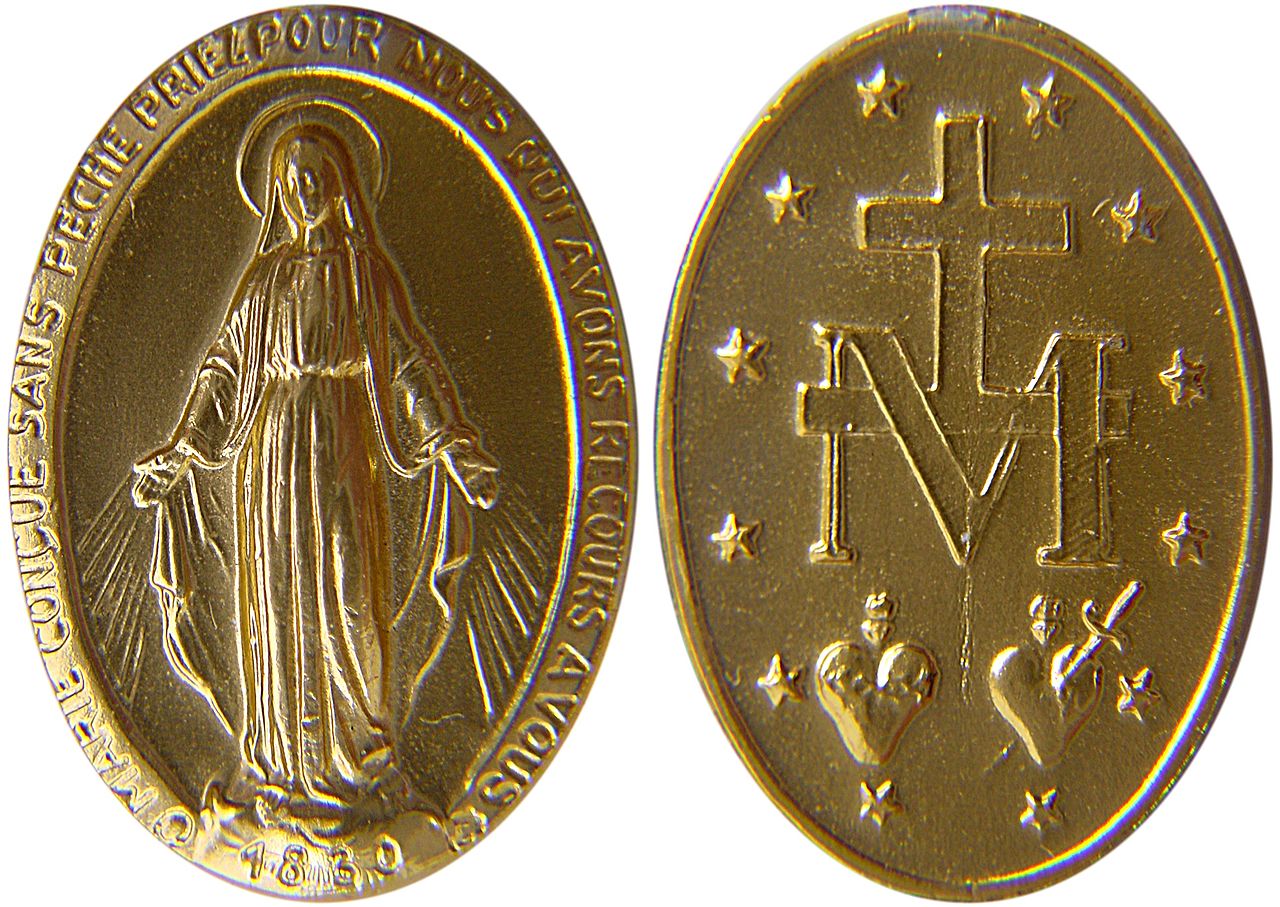
10 Images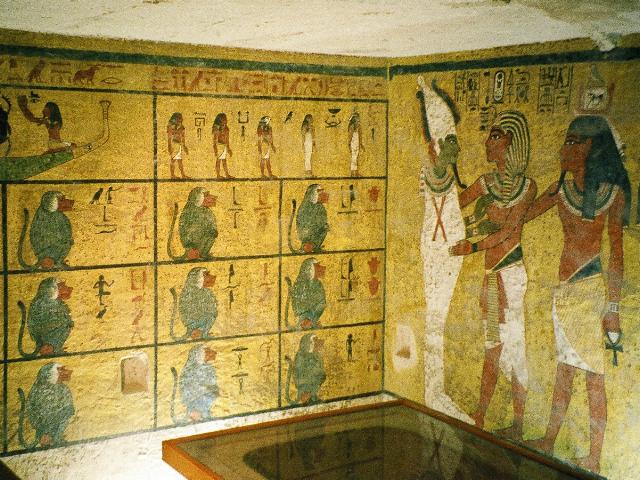





History and name
November was originally the ninth month in older Roman calendars before the insertion of January and February pushed it to eleventh place. Its placement and length were standardized when the Roman calendar evolved into the calendar systems used today, including the reform that produced the Roman Calendar predecessors to our modern reckoning.
Calendar patterns
On modern calendars, November always begins on the same day of the week as March, and in non-leap (common years) it also shares a starting weekday with February. November always ends on the same weekday as August. These relationships are useful for quick mental calendar calculations and for planning recurring events.
Seasonal character and observances
Weather and daylight in November vary with latitude: cooler, leaf-shedding conditions in temperate northern regions and warming growth in the south. The month hosts several widely observed commemorations and holidays, for example:
- Remembrance Day / Veterans Day (commonly observed around November 11)
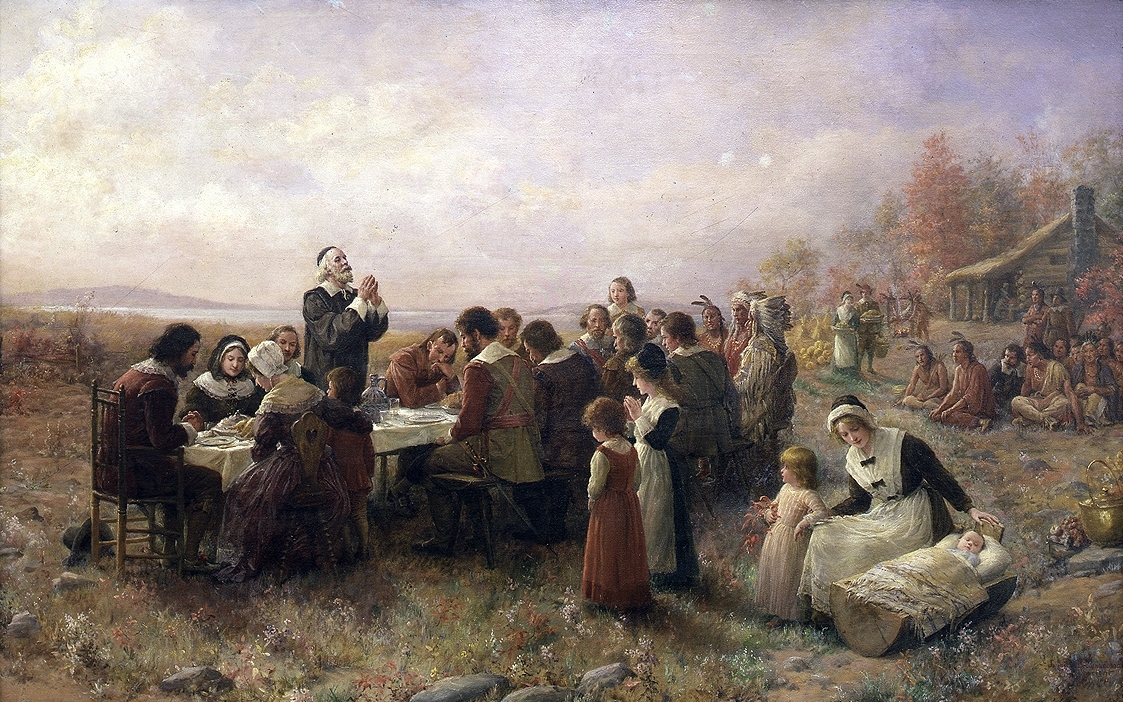
- Thanksgiving in the United States (late November, a national holiday centered on a Thursday)
- All Saints' Day and similar religious observances in many traditions
Symbols, uses and notable facts
Traditional symbols associated with November include the chrysanthemum as a birth flower and topaz or citrine as common birthstones. The month frequently appears in literature and culture as a transitional time—between harvest and winter in the north, and between growth and summer in the south—and it is often chosen for elections, memorial events, and the end-of-year planning period in business and government. Practical calendar trivia—like weekday alignments and holiday timing—makes November a focal point for scheduling across many countries and communities.
See also
For quick reference about the month's place in broader timekeeping and cultural contexts, consult annual calendars and national holiday listings, or follow specialized resources on seasonal traditions and calendar computation.
Questions and answers
Q: What is the eleventh month of the year?
A: November (Nov.) is the eleventh month of the year in the Gregorian calendar.
Q: How many days does November have?
A: November has 30 days.
Q: What does its name come from?
A: Its name comes from the Latin word novem, which means "nine".
Q: When was it added to the Roman Calendar?
A: It was added to the Roman Calendar before January and February were added.
Q: What day of the week does November always begin on?
A: November always begins on the same day of the week as March, and additionally, February in common years.
Q: What day of the week does November always end on?
A: November always ends on the same day of the week as August.
Related articles
Author
AlegsaOnline.com November Leandro Alegsa
URL: https://en.alegsaonline.com/art/71266