
Thallium(I) chloride (TlCl): properties, preparation, uses and safety
Thallium(I) chloride (TlCl) is an ionic thallium salt commonly encountered as a colorless, sparingly soluble solid. It is used mainly in research; like all thallium compounds it is highly toxic and handled with care.
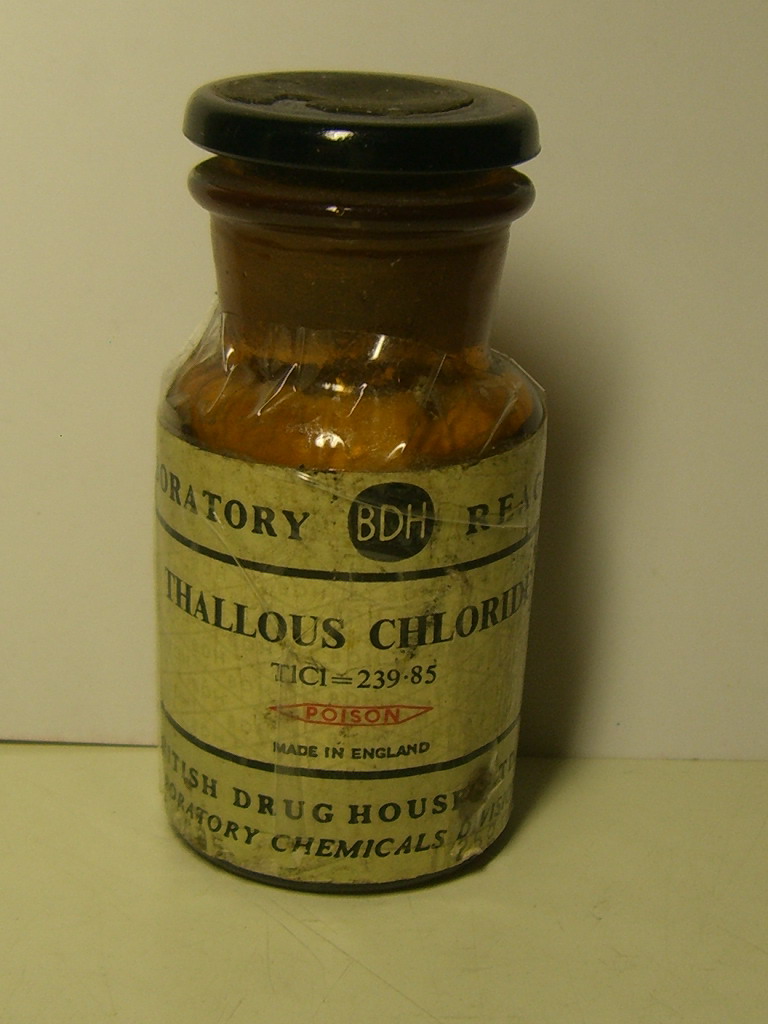
Thallium(I) chloride, chemical formula TlCl, is a simple binary salt composed of thallium and chloride. It appears as a colorless or white crystalline solid under ordinary conditions and is typically described as sparingly soluble in water. In this compound the metal is present in the +1 oxidation state and the substance behaves largely as an ionic chloride.
Image gallery
3 Images
Composition and basic properties
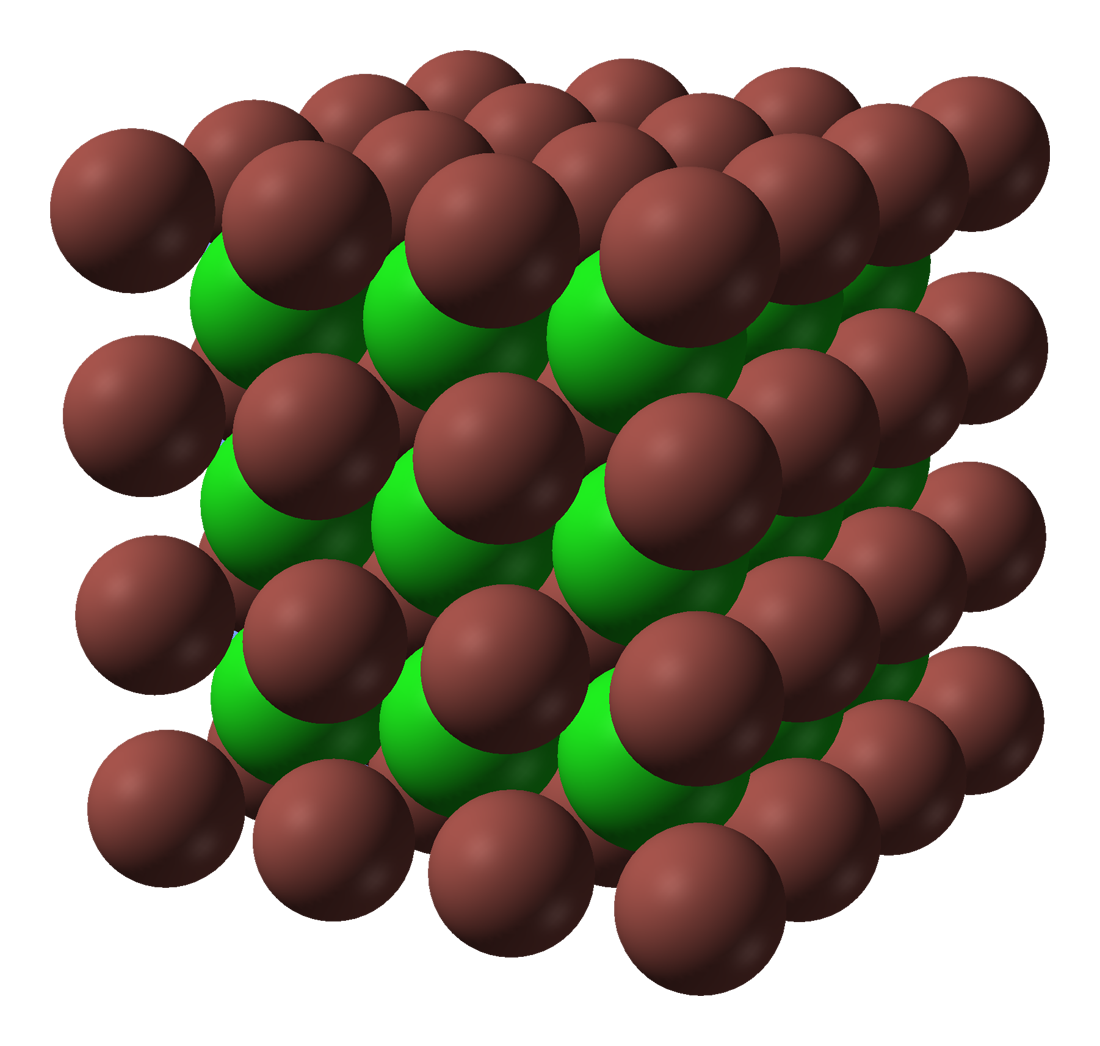
The material consists of thallium cations and chloride anions arranged in a crystalline lattice. Key characteristics include modest electrical insulating behavior when dry, a tendency to form white precipitates in aqueous solutions, and chemical behavior that reflects the stability of Tl(I) compared with Tl(III). Its physical appearance and reactions are similar to those of other heavy metal chlorides but with distinct toxicological and electronic aspects.
Preparation and chemical behavior
In laboratory practice TlCl is most often obtained by mixing a soluble thallium(I) salt with a chloride source, which yields an insoluble or sparingly soluble precipitate that can be collected and dried. The compound may react further under strongly oxidizing conditions to give higher oxidation state species, or participate in coordination chemistry with suitable ligands.
Uses, importance and safety
TlCl is primarily of interest in academic and industrial research rather than broad commercial use. It serves as a precursor to other thallium compounds, as a reagent in certain syntheses, and in studies of crystal chemistry or electronic materials. Because thallium compounds are notably toxic, all work with TlCl requires strict laboratory controls, appropriate personal protective equipment, and disposal procedures to limit exposure and environmental release. See safety resources: handling guidance.
Distinctions and notable facts
- TlCl should be distinguished from thallium(III) chlorides and from chlorides of alkali metals by its different redox chemistry and toxicity.
- Its +1 oxidation state is the more common and stable form of thallium in many compounds, which affects solubility and reactivity.
- For further reference and detailed data consult chemical handbooks and material safety sources: technical references.
Related articles
Author
AlegsaOnline.com Thallium(I) chloride (TlCl): properties, preparation, uses and safety Leandro Alegsa
URL: https://en.alegsaonline.com/art/97369