
Tonkatsu: Japanese Breaded and Fried Pork Cutlet
Tonkatsu is a Japanese yōshoku dish of breaded, deep-fried pork—commonly loin or fillet—served sliced with shredded cabbage, rice, miso soup and a thick sweet-savory sauce.
Overview
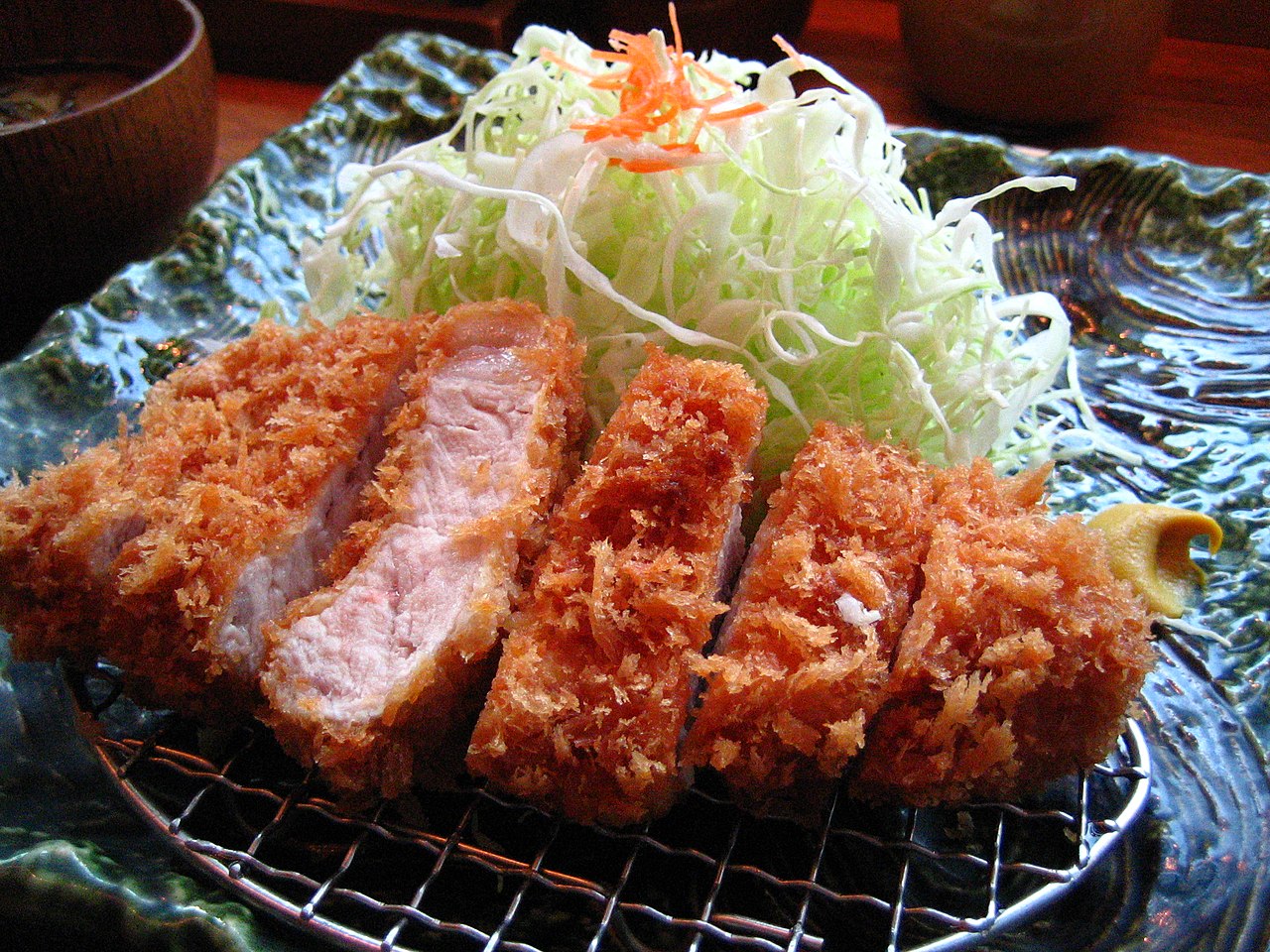
Tonkatsu (豚カツ or とんかつ) is a popular Japanese dish consisting of a pork cutlet coated in breadcrumbs and deep-fried until crisp. Classified as part of yōshoku (Western-influenced Japanese cuisine), it is enjoyed across home kitchens, casual restaurants and specialized shops. The name combines buta or ton ("pork") and katsuretsu ("cutlet"), usually shortened to katsu.
Image gallery
10 Images




Preparation and characteristics
The classic preparation uses either a pork loin (rosu) or a leaner fillet/tenderloin (hire). The meat is typically trimmed and sometimes lightly pounded, then follows a three-step coating: dredge in flour, dip in beaten egg, and press into coarse Japanese breadcrumbs known as panko. The cutlet is deep-fried in oil until the exterior is golden brown and the interior reaches a safe, juicy doneness. Panko produces a lighter, airier crust compared with fine bread crumbs used elsewhere.
- Common accompaniments: shredded cabbage, steamed rice, miso soup and pickles.
- Typical condiments: thick, sweet-savory tonkatsu sauce (a Worcestershire-style sauce), a dab of Japanese mustard (karashi), lemon, or occasionally ponzu.
- Texture and presentation: sliced into strips for easy eating, often served on a wire rack or plate to keep the crust crisp.
History and development
Tonkatsu emerged during the late 19th to early 20th century as Japan adopted and adapted Western-style dishes. It evolved from European-style breaded cutlets and became localized through ingredients and techniques such as panko and specific sauces. Over time tonkatsu established itself as a distinct item within Japanese cuisine rather than a simple copy of European recipes.
Uses, variations and examples
Tonkatsu is versatile and appears in several popular formats:
- Standalone meal: a plated cutlet with cabbage, rice and soup, common in teishoku (set meal) restaurants.
- Katsu sando: thinly sliced tonkatsu placed in white bread sandwiches; a convenient portable form seen in bento boxes and shops—see katsu sando.
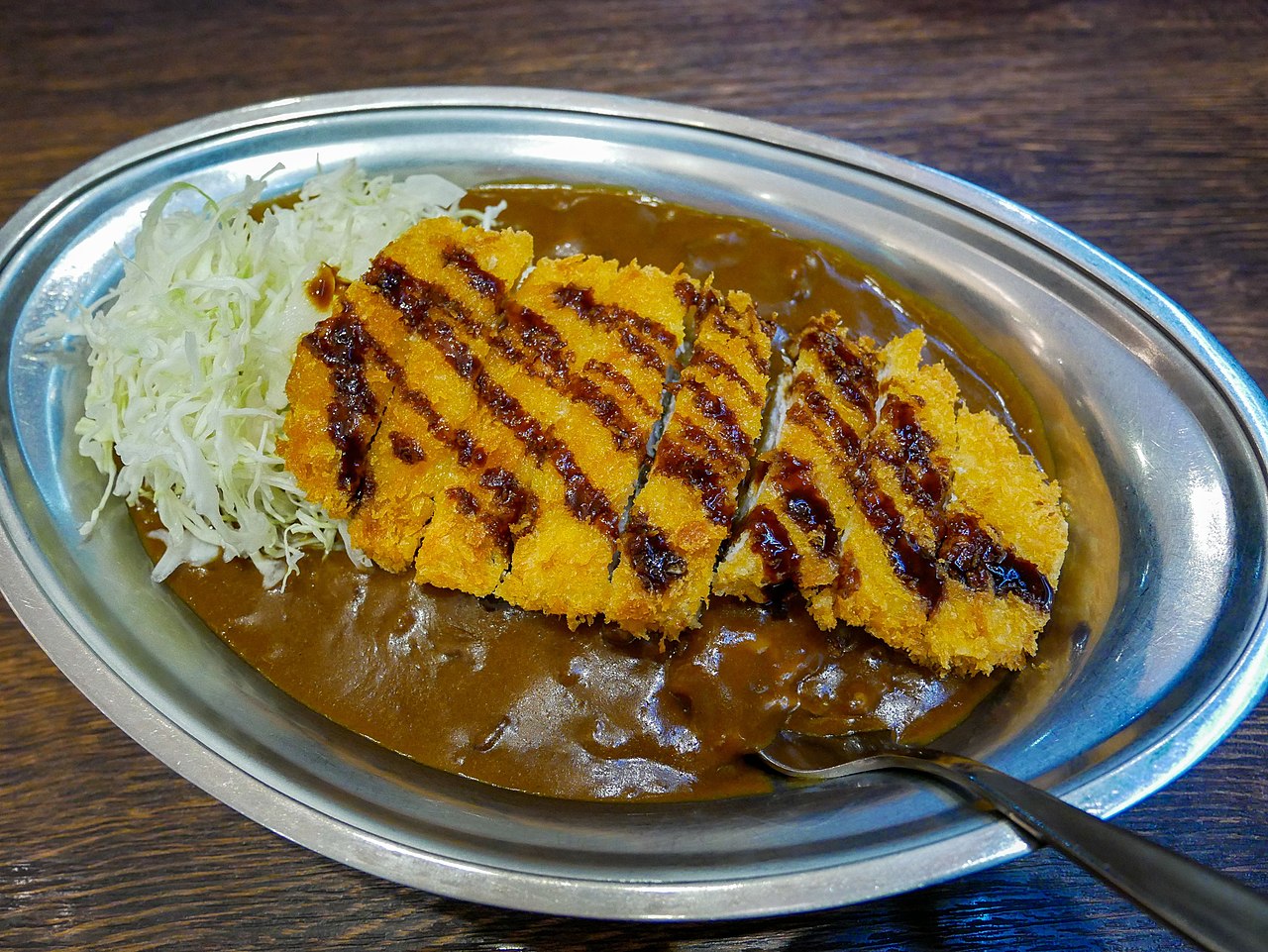
- Katsu curry: tonkatsu served atop Japanese curry and rice—a widespread comfort-food combination; see katsu curry.
- Related fritters: variants include menchi-katsu (breaded minced-meat patty) and chicken katsu, which apply the same technique to different proteins.
While tonkatsu is an everyday restaurant and home dish, it is also used in celebratory contexts because the word "katsu" is a homophone of the verb "to win" (katsu), leading people to choose it on exam days or before competitions. It may also appear on special-occasion menus but is not restricted to formal events.
Notable facts and distinctions
Key distinctions include the cut of meat—rosu gives more fat and richness, while hire is leaner and often considered more tender. The choice of sauce and side garnishes can vary by region and chef. Tonkatsu should not be confused with tempura (a lighter batter-fried technique) or with Western schnitzel, despite similar concepts; differences lie in breadcrumb type, frying method and accompanying condiments.
For broader context on Japanese cuisine and related preparations, consult resources on Japanese food traditions, meat selection and preparation, and the cultural role of Western-influenced dishes. For information on ingredients such as pork itself, see general references on pork. Cultural notes on celebratory uses are discussed in sources about Japanese ceremonies and food customs.
Related articles
Author
AlegsaOnline.com Tonkatsu: Japanese Breaded and Fried Pork Cutlet Leandro Alegsa
URL: https://en.alegsaonline.com/art/100549