
Tootsie Roll
A chewy, chocolate-flavored taffy candy introduced in the late 19th century. Known for its wrapper, long shelf life, and role in American confectionery and holiday traditions.
The Tootsie Roll is a small, cylindrical, chocolate-flavored confection that is chewy rather than a solid bar of chocolate. Packaged individually in a distinctive waxed wrapper, Tootsie Rolls are widely sold in single pieces, rolls, and mixed assortments. Many people describe the texture as taffy-like and the taste as mildly chocolatey; the product is not the same as a true chocolate bar but is a firm, starch-and-sugar–based candy.
Image gallery
2 Images
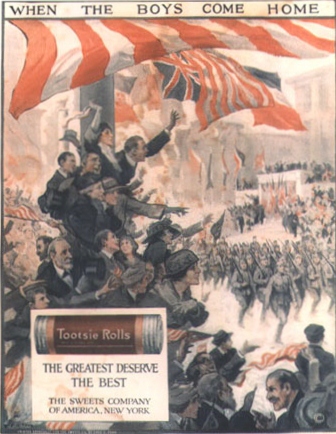
Characteristics
Tootsie Rolls are valued for their portability and shelf stability. Typical features include:
- Chewy, elastic texture that resists melting in warm conditions.
- Chocolate flavoring rather than the texture of solid chocolate.
- Individually wrapped pieces and longer, multi-piece rolls for sharing.
- Relatively modest caloric content per small serving—about 12 pieces have roughly 120 calories, depending on size and recipe.
History and development
The candy traces its origins to the late 1800s, when a New York candy maker developed a compact, chocolate-flavored chew and named it after his daughter’s nickname. Over time the product became a mass-market brand, expanding its packaging, sizes, and distribution. The maker grew into a larger confectionery company and the candy has been produced continuously for generations, gaining recognition for its longevity and consistent recipe.
Uses, varieties, and cultural role
Tootsie Rolls are commonly used as everyday snacks, pocket treats, party favors, and trick-or-treat candy at Halloween. The brand has introduced variations in size and flavor over the years, but the classic chocolate-flavored piece remains the most recognizable. The candy also appears in assorted bags and seasonal mixes and is sometimes employed in simple baking or dessert decorations where a small, chewy chocolate piece is desired.
Notable distinctions
Unlike solid chocolate confections, Tootsie Rolls are formulated to be chewable and shelf-stable, which makes them different in texture, melting behavior, and ingredient emphasis. In general discussion they are referred to as a form of candy and their flavor profile is often called chocolate-flavored rather than pure chocolate. Their long history and recognizable wrapper have made them a staple of American confectionery culture.
Related articles
Author
AlegsaOnline.com Tootsie Roll Leandro Alegsa
URL: https://en.alegsaonline.com/art/100630
Sources
- mobile.fatsecret.com : mobile.fatsecret.com/calories-nutrition/tootsie-roll/tootsie-roll-(mini-midgees)