
Teton County, Wyoming
Mountain county in northwest Wyoming centered on Jackson; known for Grand Teton National Park, outdoor recreation, tourism-driven economy, and distinctive demographics and conservation history.
Overview — Teton County is a mountainous county in northwest Wyoming with Jackson as its administrative center. The county is widely known for its dramatic Teton Range, extensive public lands and national parklands, and a tourism-oriented economy. According to the 2010 U.S. census, the population was 21,294; local population and visitation have grown since then due to recreation and resort development. For basic government information see Teton County and for state context see Wyoming.
Image gallery
5 Images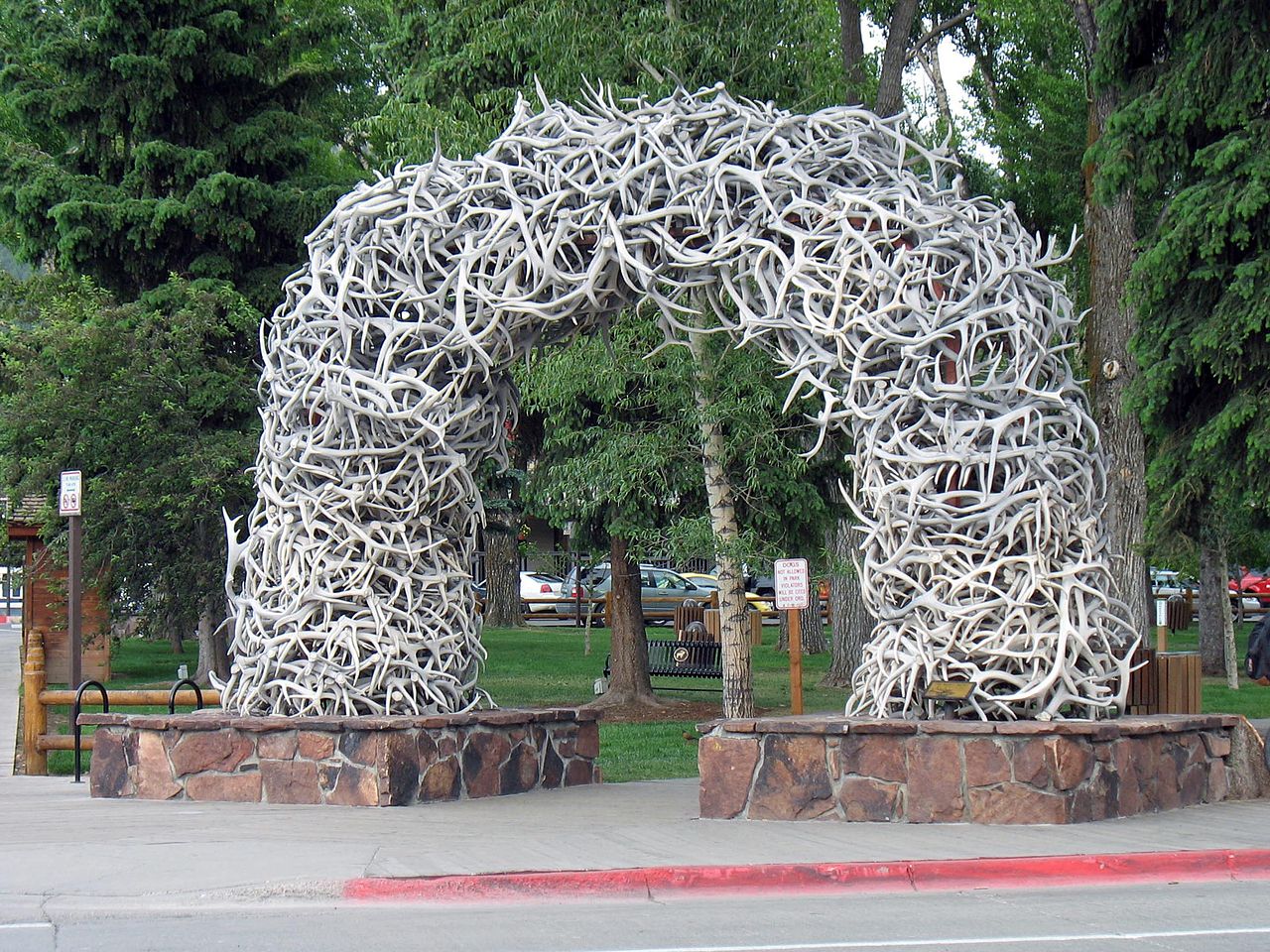


Landscape and protected areas
Teton County contains steep alpine ridges, glacial valleys and high-elevation lakes. Grand Teton National Park lies at the heart of the county and protects much of the Teton Range and wildlife habitat. Large tracts of Bridger-Teton National Forest and other federal lands provide corridors for wildlife and outdoor recreation. Winter activities are centered on alpine skiing, notably at resorts around the Jackson Hole area.
History and development
Indigenous peoples inhabited the valleys for millennia; Euro-American exploration, trapping and later tourism reshaped the economy. The county developed in the 19th and early 20th centuries as access improved by roads and rail, then shifted toward conservation and visitor services as national parks and forests were established. For census details see census records.
Economy and communities
The local economy depends heavily on recreation, hospitality, and real estate. Jackson—also referenced as the county seat—is the main service center and gateway for visitors. Smaller communities and residential neighborhoods surround resort and park entrances. Official county services and local planning information are available from county seat resources and municipal pages such as Jackson.
Notable facts and distinctions
- High visitation for a relatively small resident population makes tourism the dominant seasonal industry.
- Significant conservation efforts balance development pressure with habitat protection.
- Outdoor sports, wildlife viewing and winter recreation drive regional identity and the local job market.
Visitors and residents access further regional information and planning documents via state and federal park links, and local government portals (state resources).
Related articles
Author
AlegsaOnline.com Teton County, Wyoming Leandro Alegsa
URL: https://en.alegsaonline.com/art/97233
Sources
- quickfacts.census.gov : "State & County QuickFacts"
- naco.org : "Find a County"
- google.com : Beaver Creek WY Google Maps (accessed 13 January 2019)
- google.com : Elk WY Google Maps (accessed 13 January 2019)
- google.com : Jack Pine WY Google Maps (accessed 13 January 2019)
- google.com : Lake WY Google Maps (accessed 13 January 2019)