
Terschelling (West Frisian island and municipality in the Netherlands)
Terschelling is an island municipality of Friesland in the Netherlands, part of the West Frisian Islands and the Wadden Sea. Noted for dunes, mudflats, villages, the Brandaris lighthouse and the Oerol festival.
Terschelling is an island and municipality in the province of Friesland in the Netherlands. The municipal jurisdiction includes a large sea area as well as the inhabited island: the municipality covers roughly 674 km² while the island itself measures around 86 km². The resident population is small, numbering a few thousand permanent inhabitants, with larger seasonal numbers during the holiday months.
Image gallery
10 Images


Location and archipelago
Terschelling forms part of the chain known in English as the West Frisian Islands. It lies between its neighbouring islands and is commonly visited in island-hopping itineraries that include Ameland and Vlieland. Its exposed North Sea coast, dune belt and tidal flats face the Wadden Sea, an area internationally recognised for its intertidal systems and migratory birds.
Geography and natural environment
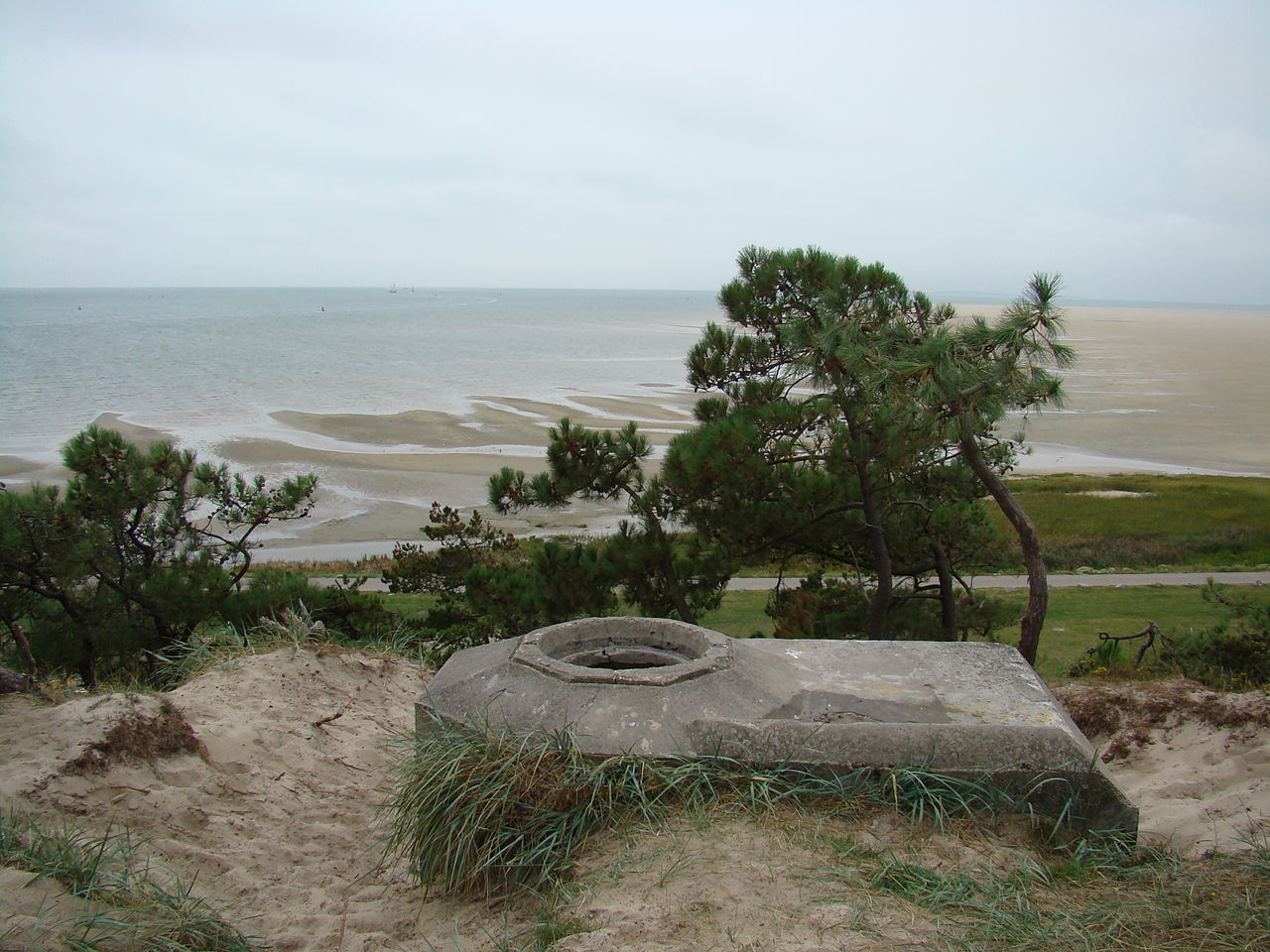
The island presents a varied coastal landscape: long sandy beaches on the seaward side, a protective dune strip, areas of heath and pine plantation inland, and extensive mudflats and channels toward the Wadden Sea. These tidal areas are biologically rich and form important feeding grounds for waders and waterfowl. Much of Terschelling is managed to balance recreation, agriculture and conservation, with particular attention to dune stabilization and protection of sensitive habitats.
Settlements and landmarks
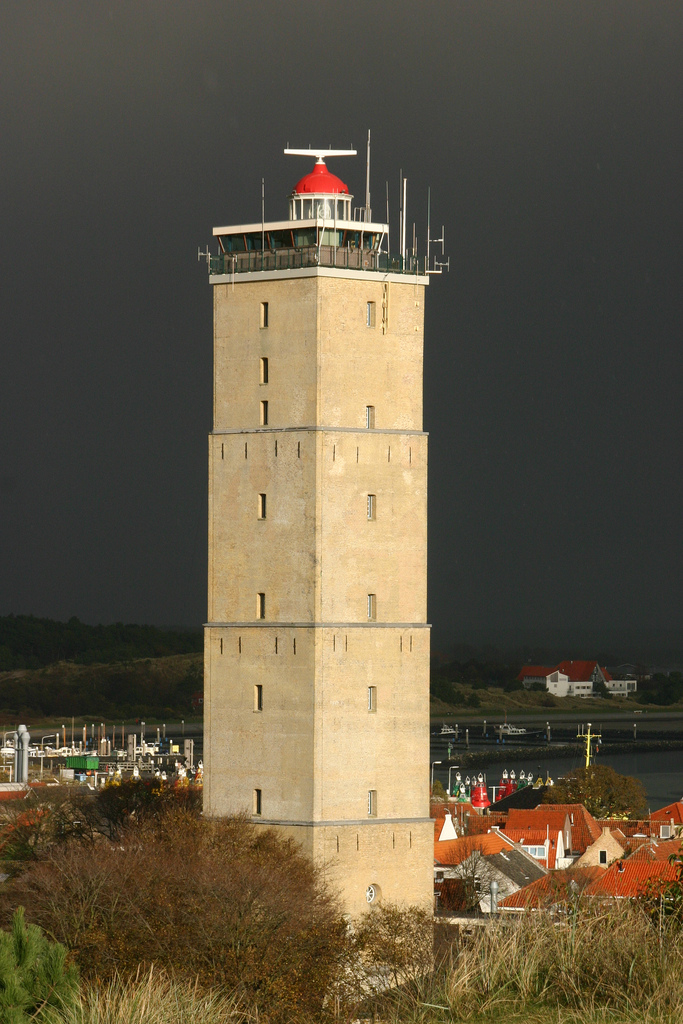
Permanent settlement is concentrated in several villages, the largest of which is West-Terschelling (the main harbour town). Other villages include Midsland, Formerum, Oosterend and Hoorn. West-Terschelling contains the historic Brandaris lighthouse, a well-known local landmark and point of maritime heritage.
History and culture
The island has a long maritime history tied to fishing, shipping and coastal navigation; shifting sands and storms have repeatedly altered shorelines and local economies. In modern times Terschelling has also developed a strong cultural profile: the annual Oerol festival stages site-specific theatre, music and performance across dunes, beaches and village spaces and attracts visitors from the Netherlands and abroad. Traditional customs and seafaring stories remain visible in local museums and community events.
Economy, access and recreation
The local economy is dominated by tourism, supported by small-scale agriculture, local services and a continuing maritime presence. Regular ferry services connect the island to the mainland; visitors commonly arrive by ferry and explore on foot or by bicycle. Popular activities include long beach walks, cycling the network of lanes, birdwatching on the mudflats, guided tidal walks (wadlopen) and nature excursions at low tide.
Protection and land use
- Areas around Terschelling form part of the wider Wadden Sea environment and are subject to conservation measures and international recognition for their ecological value.
- Management aims to reconcile tourism and recreation with habitat protection: dune restoration, access control and visitor education are common measures.
- Because the coastline and intertidal zones are dynamic, shoreline management and ecological monitoring are ongoing priorities for local authorities and researchers.
Visitors and students of coastal systems find Terschelling a useful case study in balancing human use and natural dynamics. For practical information about transport, events and protected areas, local tourist information and municipal sources provide up-to-date guidance.
Related articles
Author
AlegsaOnline.com Terschelling (West Frisian island and municipality in the Netherlands) Leandro Alegsa
URL: https://en.alegsaonline.com/art/97169