
Terry, Montana — small county seat on the High Plains
Terry is a small city in eastern Montana and the county seat of Prairie County. Incorporated in 1910, it had 605 residents at the 2010 U.S. Census and serves as a local center for government and rural services.
Terry is a small city in eastern Montana in the United States. It serves as a local hub for surrounding ranches and farms and functions as the county seat for Prairie County. Typical of many towns on the High Plains, Terry combines administrative roles with services that support a dispersed rural population.
Image gallery
4 Images


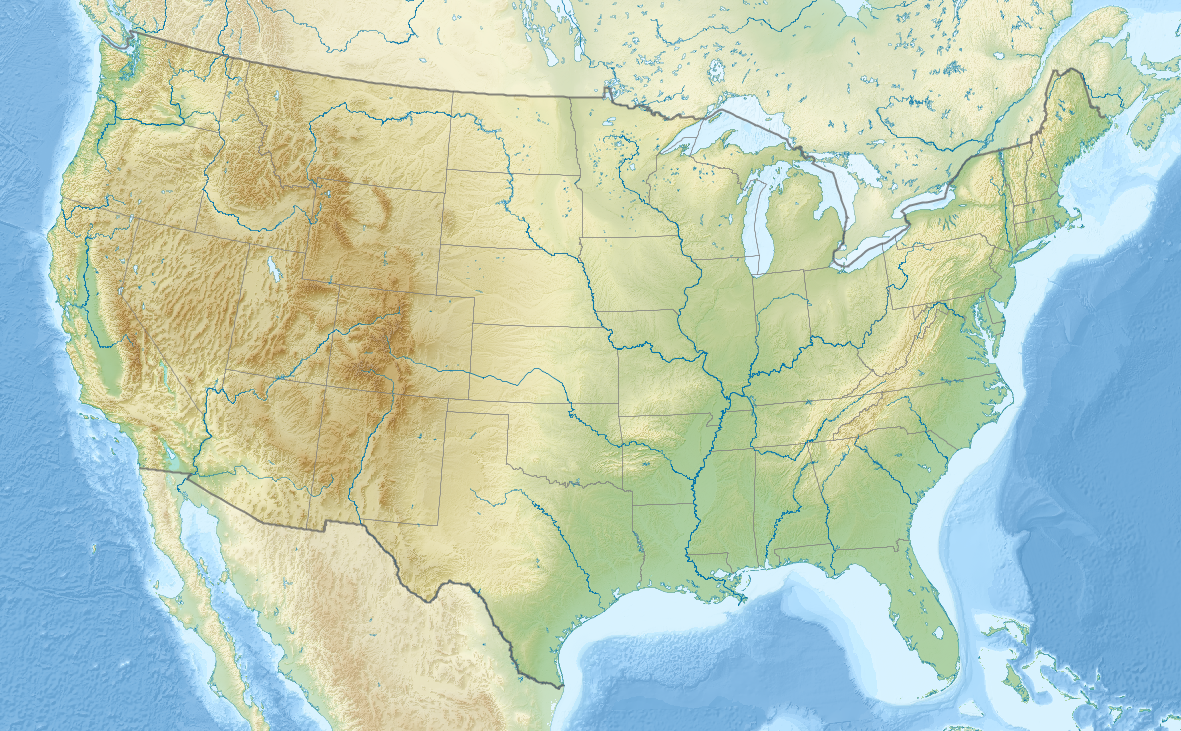
Location and character
The town sits amid open prairie and agricultural land. Its built environment includes a compact historic main street, civic buildings, and residences that reflect early 20th‑century development patterns. As the principal settlement in the area, Terry provides groceries, postal services, schools, and health-care access that are important to nearby residents and seasonal workers.
History and development
Terry was incorporated in 1910. Like many Plains communities established around that time, its growth was influenced by settlement, ranching and farming, and regional transportation routes. Over the decades it has retained much of its small‑town character while adapting to changes in agriculture and transportation that reshaped rural Montana.
Today Terry is the county seat of Prairie County, which means it hosts county government offices and court functions that serve a wide rural territory. According to the 2010 United States Census, the town had 605 residents. Rural population trends in Montana vary, and towns like Terry often balance aging populations with seasonal visitors and families tied to local industries.
Community life typically centers on school activities, local events, and outdoor recreation. The town’s economy is closely linked to agriculture — ranching and dryland farming — and to services that support those industries. Visitors and residents alike use Terry as a base for hunting, birdwatching, and exploring the prairie landscape.
Notable facts and local role
- Administrative center: as county seat, Terry houses government offices important to Prairie County.
- Historic incorporation: established formally in 1910 during a period of regional settlement.
- Rural services: provides schools, shops, and basic health-care access for nearby residents.
Terry illustrates the characteristics of many small Montana towns: a modest population, a role as a local service center, and strong ties to the agricultural landscape surrounding it. For more detailed geographic or historical records, consult county sources or regional archives available through local libraries and government offices.
Related articles
Author
AlegsaOnline.com Terry, Montana — small county seat on the High Plains Leandro Alegsa
URL: https://en.alegsaonline.com/art/97158