
Temple, Texas
Temple, Texas — a central Texas city in Bell County founded as a railroad junction, now a regional healthcare and transportation hub on I-35 between Austin and Waco.
Overview
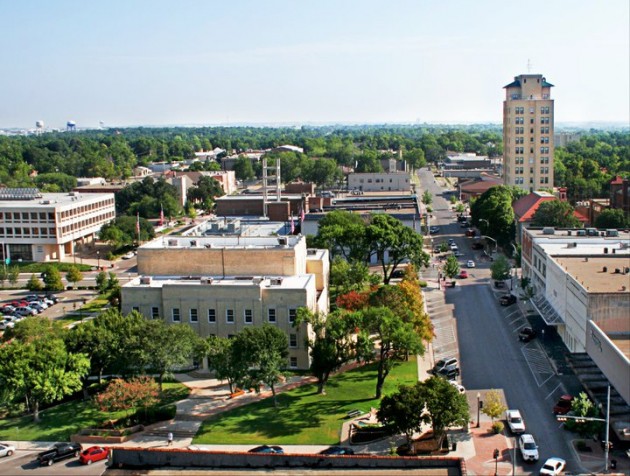
Temple is a city in Bell County, Texas, United States. It has grown from a small rail center into a mid‑sized regional city with a diversified economy. Population estimates in the 2010s placed Temple at roughly 73,000 people; the community serves as a focal point for health care, manufacturing, retail and services for central Texas.
Image gallery
5 Images


History and development
The city emerged in the late 19th century around railroad construction and maintenance, when tracks and yards brought workers and businesses to the site. Over time the transportation role gave way to a broader economy, especially after the establishment of prominent hospitals and medical practices. Temple's downtown and neighborhood patterns reflect its railroad roots and steady growth through the 20th century.
Geography and transportation
Temple lies in central Texas not far from the county seat of Belton. It is located along Interstate 35 and sits approximately 65 miles north of Austin and 34 miles south of Waco. The city's location on a major north–south corridor makes it accessible to regional commerce and travel and links it to surrounding military, educational, and economic centers.
Economy, institutions and culture
Healthcare is a central industry in Temple, anchored by large hospitals and research facilities that attract patients and medical professionals from the region. Manufacturing, distribution, education and retail also contribute to local employment. Cultural resources include museums that recall Temple's railroad past, performing arts venues, parks and community festivals that reflect a mix of small‑city traditions and regional Texan culture.
Notable facts and distinctions
- Temple developed as a railroad junction before evolving into a medical and service hub.
- Its placement on I‑35 connects it directly to the major Texas corridor between Austin and Waco.
- The city supports regional partners in education, healthcare and commerce, serving nearby communities in Bell County and beyond.
Further information: municipal services, local history collections and planning resources are maintained by city agencies and area museums for those seeking detailed demographic, economic or historical records.
Related articles
Author
AlegsaOnline.com Temple, Texas Leandro Alegsa
URL: https://en.alegsaonline.com/art/96928
Sources
- census.gov : census.gov/quickfacts/table/PST045215/4872176