
Televangelism: origins, practices, influence and modern developments
Televangelism is the practice of using broadcast media to preach religious messages. This article explains its origins, formats, purposes, controversies, and how it has adapted to radio, television and the internet.
Overview
Televangelism refers to the organized presentation of religious preaching, teaching and worship through mass media channels such as television and radio. Although most commonly associated with Protestant and evangelical Christian movements, the technique — using broadcast technology to reach a dispersed audience — is used by a range of religious traditions. The word combines "television" and "evangelism" and describes both the programs themselves and the ministers who lead them.
Image gallery
9 Images




Typical characteristics and formats
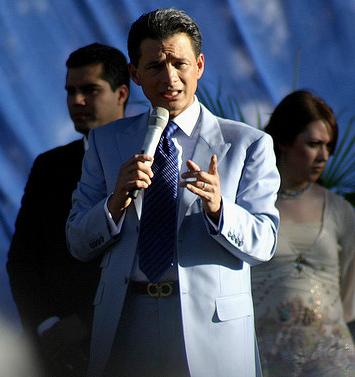
Programs described as televangelistic often include one or more of the following elements: a sermon or homily, audience testimony, live musical worship, interviews, and appeals for donations. Production values range from low-budget local broadcasts to highly polished, multi-camera studio shows. Some televangelists lead churches or ministries with large followings; others operate as independent broadcasters or networks.
History and development
The practice developed alongside broadcast technology in the mid-20th century, when religious leaders began adapting radio and, later, television to reach national and international audiences. Early adopters used regular airtime for sermons and religious variety programs. Print and popular culture outlets chronicled the phenomenon as it grew — for example, the coinage of the term is often traced to mainstream media coverage such as Time magazine. Over time, televangelism evolved into a distinctive form of public religious communication.
Uses and social importance
Televangelism serves several social and religious functions: evangelistic outreach, pastoral teaching, fundraising for charitable or institutional projects, and community-building among geographically dispersed adherents. Many programs aim to spread the gospel, provide religious education, or offer spiritual counselling. In some contexts televangelists also engage in public debates and political commentary.
Controversies, criticisms and distinctions
Televangelism has attracted scrutiny over financial transparency, fundraising methods, and claims made by some personalities. Critics also note the rise of the "prosperity gospel" in certain broadcasts, where material wealth is presented as a sign of divine favor. It is important to distinguish routine religious broadcasting — for example, a televised Mass, papal blessing or other liturgical service — from the organized, programmatic ministry that the term "televangelism" typically denotes. Watching the Urbi et Orbi blessing or other official services on television differs in intent and structure from programs designed primarily to proselytize; likewise, celebrations led by figures like the Pope are institutional broadcasts rather than personal ministries.
Modern forms and digital transition
With the internet and streaming platforms, televangelism has expanded beyond traditional broadcast windows to include live streaming, podcasts, social media channels and on-demand video. Contemporary ministries often combine televised broadcasts with online giving portals, mobile apps and virtual small groups. This shift has lowered entry costs for new voices while also increasing competition for attention.
Examples and related phenomena
- Programs that primarily preach and solicit support from viewers.
- Broad religious broadcasts that present worship services for home audiences — related but distinct from the former.
- Radio ministries that use spoken-word programming to reach rural or international listeners.
Televangelism remains a significant mode of religious communication because it extends reach, shapes public perceptions of faith, and adapts rapidly to new media environments. Scholars and observers continue to study how televised ministries influence religious practice, organizational forms, and the broader culture of belief.
For further reading about media and religious communication, consult overview sources on broadcasting history and faith-based media, or explore specific ministries and their public records for case studies. See also references to broader traditions such as Christianity and to the general practice of evangelism, as well as historical notes on religious radio and television pioneers. Additional contextual material on televised blessings and liturgies is available under categories for religious broadcasting and ritual transmissions; examples include televised blessings and related ceremonial coverage.
Related articles
Author
AlegsaOnline.com Televangelism: origins, practices, influence and modern developments Leandro Alegsa
URL: https://en.alegsaonline.com/art/96840