
Royal Mail (United Kingdom postal service)
Royal Mail is the principal postal delivery service for the UK and Northern Ireland, founded in 1516. It provides letter and parcel delivery, postage stamps, sorting and logistics, and was partly privatised in 2013.
Overview
Royal Mail is the long-established postal delivery organisation serving the United Kingdom and Northern Ireland. It performs collection, sorting and delivery of letters and parcels, issues postage stamps, and operates national logistics and distribution networks. The service is recognised for its nationwide reach, including rural routes and next-day delivery options.
Image gallery
10 Images








History and development
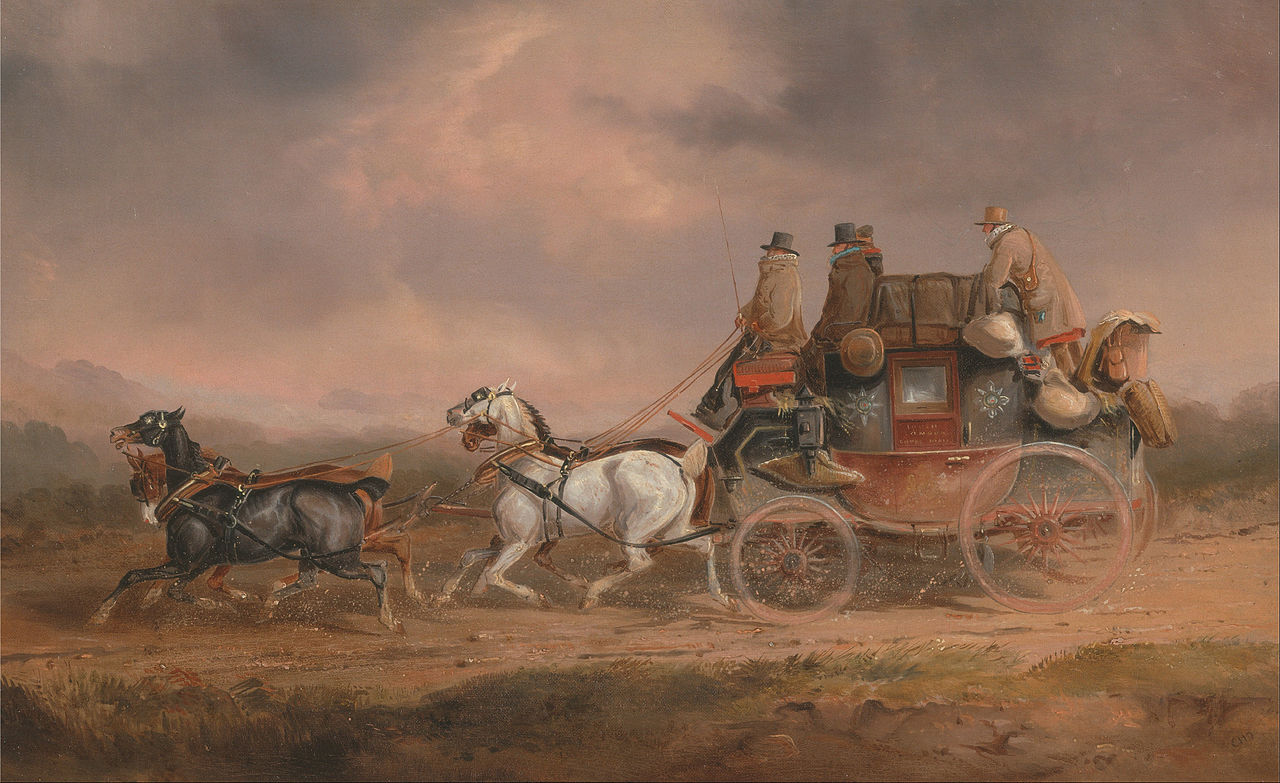
Its origins date back to the early 16th century, with documented roots around 1516. Over centuries it evolved from a government-run packet and messenger system into a modern postal operator. The institution of postage stamps, standardized rates and mechanised sorting shaped its development through the 19th and 20th centuries.
Services and functions
Royal Mail offers a mix of consumer and business services. Typical offerings include:
- Domestic and international letter delivery and tracked parcel services.
- Special delivery and guaranteed next‑day options.
- Sale and design of postage stamps and philatelic products.
- Sorting centres, distribution hubs and last-mile delivery by postal workers and transport partners.
Ownership and organisation
For much of its history Royal Mail operated as a public service; in the 20th century it was a government-owned corporation. In 2013 the company underwent partial privatisation through a public share offering, after which the government retained a significant minority stake for a time. Today it functions as a commercial business subject to industry regulation and market competition.
Importance and recent challenges
Royal Mail remains a key element of national infrastructure: enabling personal correspondence, e-commerce fulfilment and official communications. In recent decades it has faced pressures from declining conventional letter volumes, rapid growth in parcel deliveries, industrial disputes, and the need to modernise operations and invest in automation and digital services.
Notable distinctions
Beyond routine deliveries, Royal Mail is known for its iconic red postboxes and the design and issuance of collector stamps. Its long historical continuity and role in public life make it a frequent subject in discussions of public policy, commerce and cultural heritage.
Related articles
Author
AlegsaOnline.com Royal Mail (United Kingdom postal service) Leandro Alegsa
URL: https://en.alegsaonline.com/art/84472
Sources
- royalmail.com : Royal Mail